
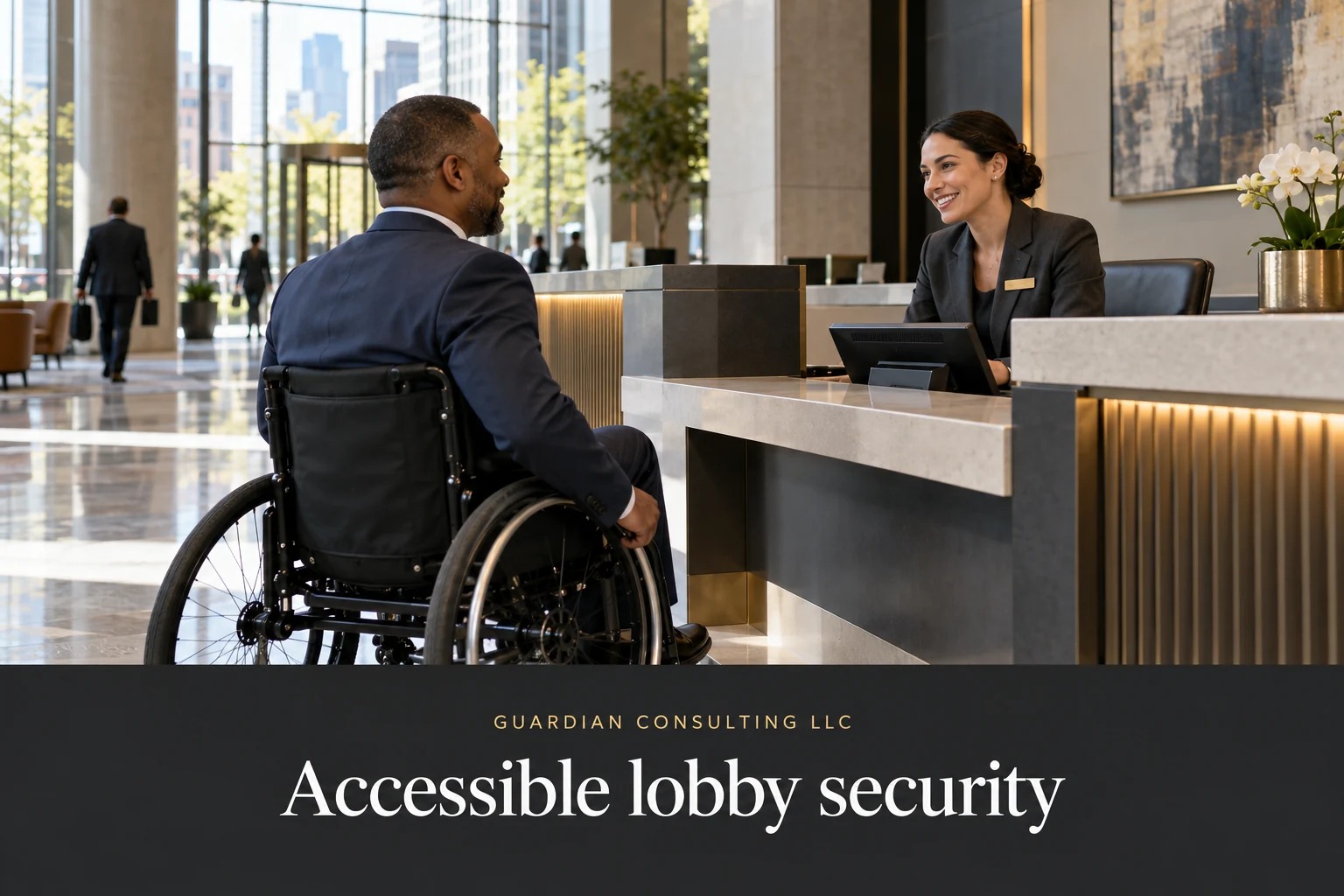
A visitor can have permission to enter a building and still be unable to complete its check-in process. A touchscreen, an audio-only instruction, or a temporary entrance change can turn an ordinary arrival into an avoidable delay. For property managers, the useful question is concrete: can the desk complete the authorized visit when the usual interaction does not work for this person?
This playbook proposes a property-specific operating method for routine visitor arrivals. It is an original planning framework, not a report of a tested Guardian program or a certification of compliance. It does not replace emergency plans, accessibility assessments, or legal advice. Requirements depend on the facility, activity, and applicable law; residential accommodations need separate review.
- Choose one entrance and ordinary visit type.
- Name the policy owner and escalation backup.
- Test the approved alternative on more than one shift.
Start with a real arrival, not a policy statement
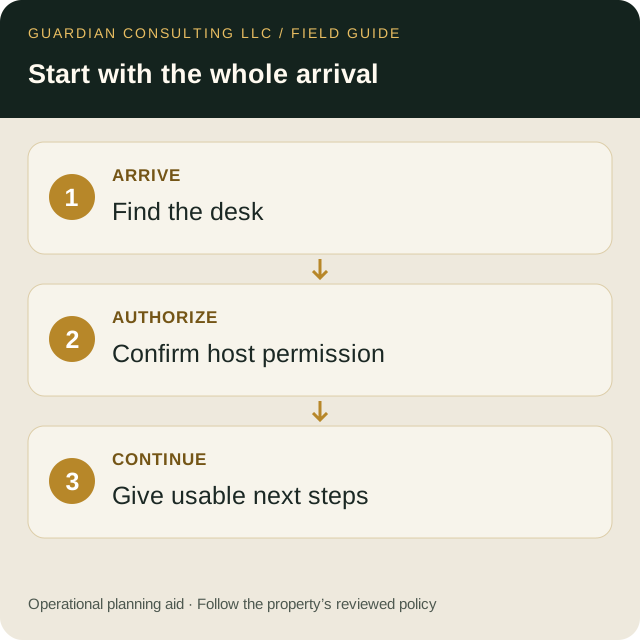
Walk through one ordinary appointment from the visitor's perspective. Choose an entrance, a host, and a destination. Write down every action the visitor must perform: find the desk, convey a name, receive an instruction, complete a registration step, obtain authorization, and follow the permitted route. A reassuring policy can hide an inaccessible step if nobody has attempted the actual sequence.
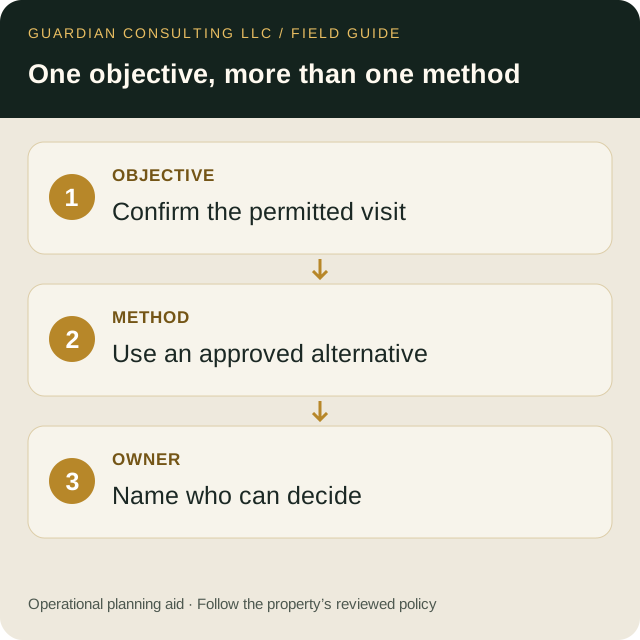
Ask the team to identify what each step accomplishes. Confirming a host's permission is an objective. Requiring everyone to use one particular screen is an implementation choice. Keeping those separate gives managers a way to approve another process without asking desk staff to invent an exception during a busy arrival.
Build an arrival decision card
Use a short card at the desk, with a controlled copy in the post orders. Keep it focused on decisions staff can actually make.
| Arrival step | Ordinary method | Approved alternative | Decision owner |
|---|---|---|---|
| Identify the intended visit | Visitor enters appointment details | Staff-assisted collection of necessary details | Desk lead |
| Confirm permission | Contact designated host | Approved backup host contact | Property management |
| Exchange instructions | Spoken directions | Suitable written, visual, or other agreed method | Desk lead and designated accessibility contact |
| Reach the destination | Usual permitted entrance and route | Facilities-approved accessible route | Facilities |
| Resolve an obstacle | Normal desk support | Named escalation contact and backup | Duty manager |
These are example fields, not universal instructions. Replace each role with a reachable person or function. Do not put private visitor information or credentials on the card.
Decide before the queue forms
A useful alternative must be available during the hours when visitors arrive. If only the daytime manager knows how to arrange assistance, the evening desk does not yet have a workable plan. Review who can assist, where supplies or approved equipment are kept, and how staff contact the responsible person.
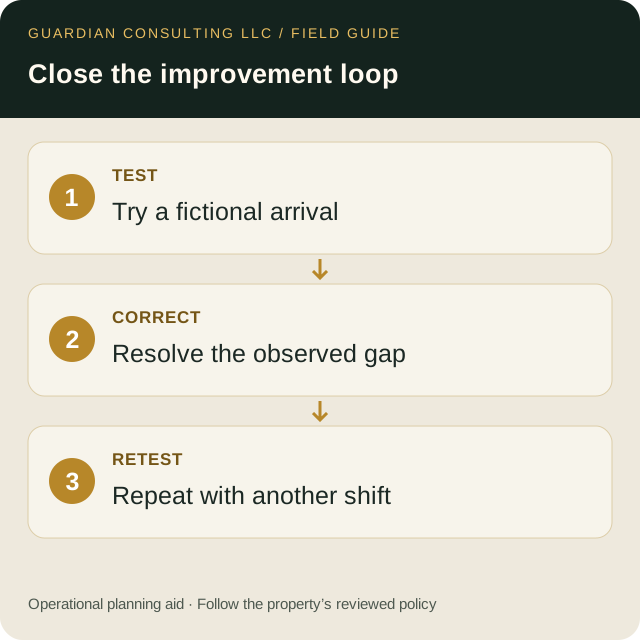
Have the supervisor test the fallback using fictional appointment details. Can the desk finish the permitted registration without collecting extra personal information? Does host approval still occur? Can the visitor receive a usable next instruction? Record the point where the process stalls rather than simply marking the exercise complete.
Use the staff-assisted kiosk guide to document that fallback. For the conversation itself, use the security-desk communication guide.
Give recurring situations their own instructions
Some arrivals need a focused policy rather than a vague instruction to use good judgment. A visitor accompanied by a service animal should not trigger improvised demands for documentation. Read the public-facing desk service-animal guide with the property's designated policy owner.
Temporary entrance changes also need a coordinated handoff. The desk should know which route facilities approved, when it was checked, and who handles a new obstruction. Use the temporary entrance change guide before changing visitor directions.
For communication, the Department of Justice explains that covered entities must provide effective communication and that the appropriate aid depends on the interaction and the person's communication method. See its effective communication guidance. The operational task is to turn the property's reviewed obligations into available help, clear ownership, and staff practice.
Record barriers without building a medical file
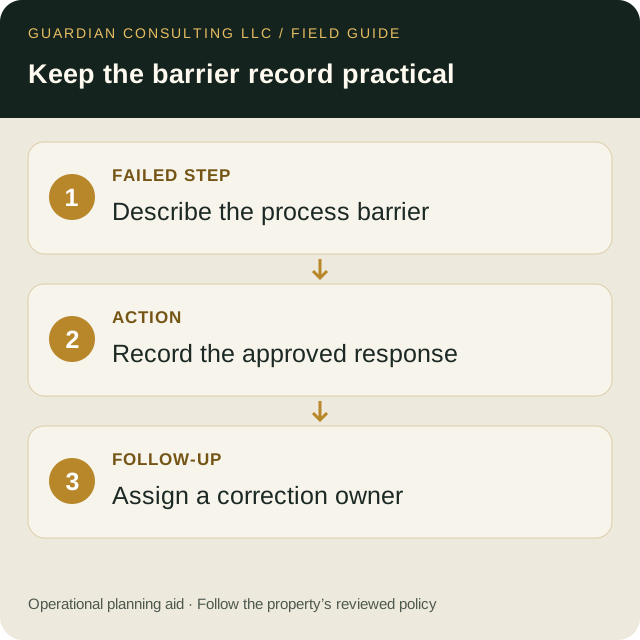
A process-improvement log can describe a failed step without recording a visitor's diagnosis. Useful entries might say: the alternate registration instructions were unavailable; the backup host contact did not answer; the posted entrance directions differed from the approved route. Follow the property's privacy and retention rules, and keep any incident-specific personal information in its authorized system.
Separate immediate assistance from later improvement. Help the current visitor through the approved process; then assign the underlying defect to the person who can fix it. A recurring kiosk issue might need the vendor and facilities manager, while an outdated desk card may need the security supervisor.
Review observable outcomes
At the next operations meeting, ask which alternatives were tested, which barriers remain, and who owns each correction. Avoid treating the number of requests for assistance as a measure of failure. The more useful evidence is whether staff can complete the approved steps and whether unresolved barriers are receiving attention.
Run the lobby accessibility tabletop across different shifts. Use fictional scenarios, record behavior rather than impressions, and repeat the failed step after a correction. That creates a practical feedback loop between policy, equipment, facilities, and the people welcoming visitors.
Put the plan into the next handoff
Choose one entrance and one visit type for the first review. Name the policy owner, write the decision card, test the alternative, and set a date to check the result. Expand after the team has a working example. Contact Guardian to discuss how property-specific post orders, supervision, and visitor procedures can support your building's operational needs.