

A visitor does not respond to a spoken instruction from behind the desk. That alone tells the officer little about the visitor's intent or preferred way of communicating. Start by establishing a usable conversation before treating the interaction as a refusal to follow instructions.
This guide is part of the accessible lobby security playbook. It covers ordinary arrival conversations. Emergency communications and building evacuation arrangements need their own approved procedures.
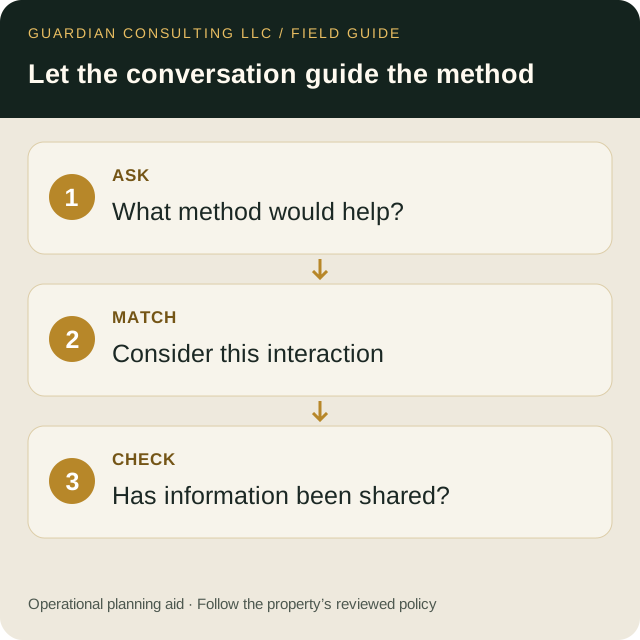
- Address the visitor directly and ask what method helps.
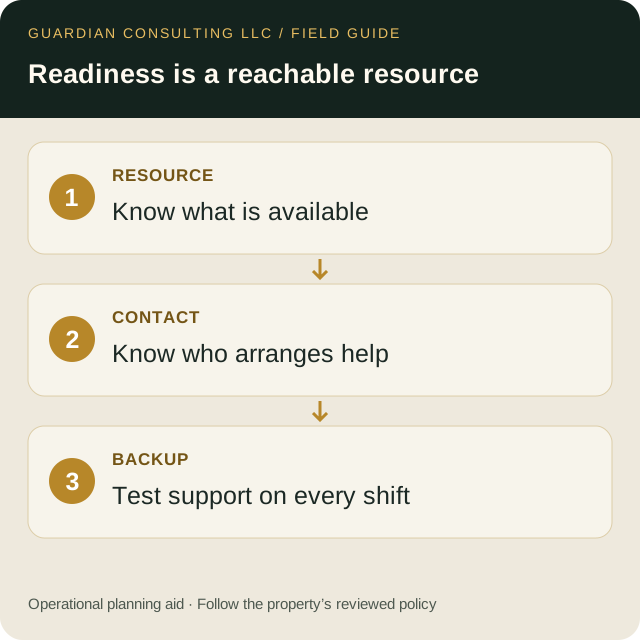
- Keep approved resources and backup contacts available.
- Review unresolved tasks without recording an assumed diagnosis.
Ask instead of assuming
Address the visitor directly and ask which communication method would help. Do not assume that every deaf person uses sign language or that every person with hearing loss can rely on speechreading. Keep the exchange respectful and avoid discussing the visitor's needs loudly with the queue.
For covered entities, DOJ guidance makes the nature, length, complexity, and context of the interaction relevant to the choice of aid. Written exchanges may work for a simple question; a longer or more complex interaction may require other assistance. Do not make a notepad the universal answer. The property should arrange an effective method and train staff on how to access it. See DOJ's effective communication guidance.
Make the desk ready before assistance is requested
Prepare a small operational card listing the approved resources, where they are stored, who can arrange additional help, and the backup contact. Test whether the employee on each shift can reach that person. A telephone number in an old binder is not enough if nobody knows which hours it is staffed.
A practical rehearsal might use a fictional visitor who needs to confirm a host's name and receive directions. Ask the employee to complete those tasks using the method agreed in the scenario. The evaluator watches for a clear exchange and an accurate outcome, not a particular style of conversation.
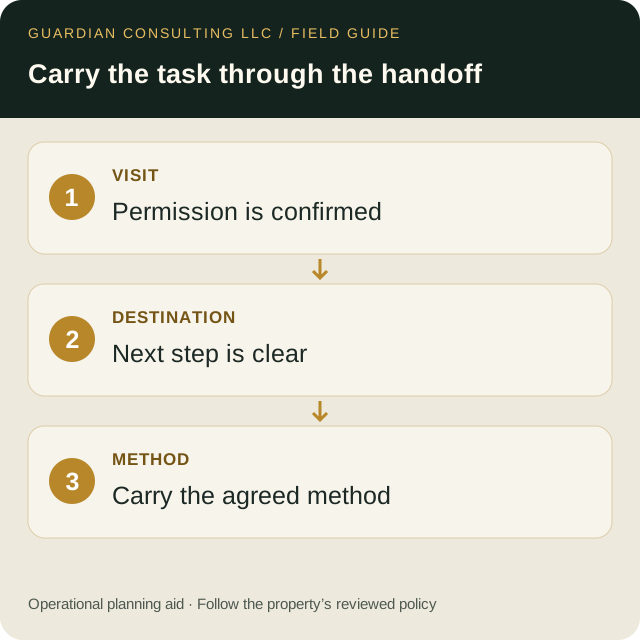
Confirm the instruction that matters
Instead of repeating the same instruction more loudly, check whether the necessary information has been exchanged. Does the visitor know which host has been contacted? Have staff conveyed the next step? Is the location clear? Give time for the response and avoid piling several new questions onto an unfinished exchange.
When a host takes over, preserve the operational context: the visit has been authorized, the destination is confirmed, and a particular communication method is being used at the visitor's request. Share only information needed for the handoff, following property policy. A handoff should not become a discussion of an assumed diagnosis.
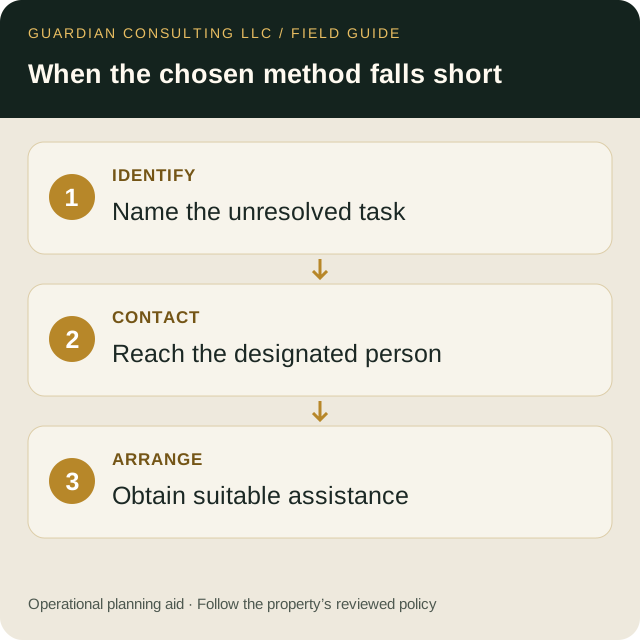
Know when the ordinary desk method is insufficient
If the conversation becomes complex or the chosen method is not working, contact the designated person who can arrange suitable help. Do not ask a child to serve as the routine interpreter or make bringing an interpreter a condition of completing a visit. DOJ places the responsibility for effective communication on the covered entity and narrowly limits reliance on accompanying people.
Staff should not improvise decisions about legal exceptions or declare an accommodation too expensive. Those questions belong with the authorized management contact and qualified advisers. Keep a clear operational record of the unresolved step and the assistance requested.
Debrief the process, not the visitor
After a test or a reported difficulty, review whether the desk's resources were available, whether the escalation contact responded, and whether the next instruction was usable. Correct outdated contact information or missing supplies promptly. Refer more substantial changes to the responsible manager.
Use the supervisor tabletop to practice these choices with fictional scenarios. Then update the main playbook so the next shift benefits from the same improvement.