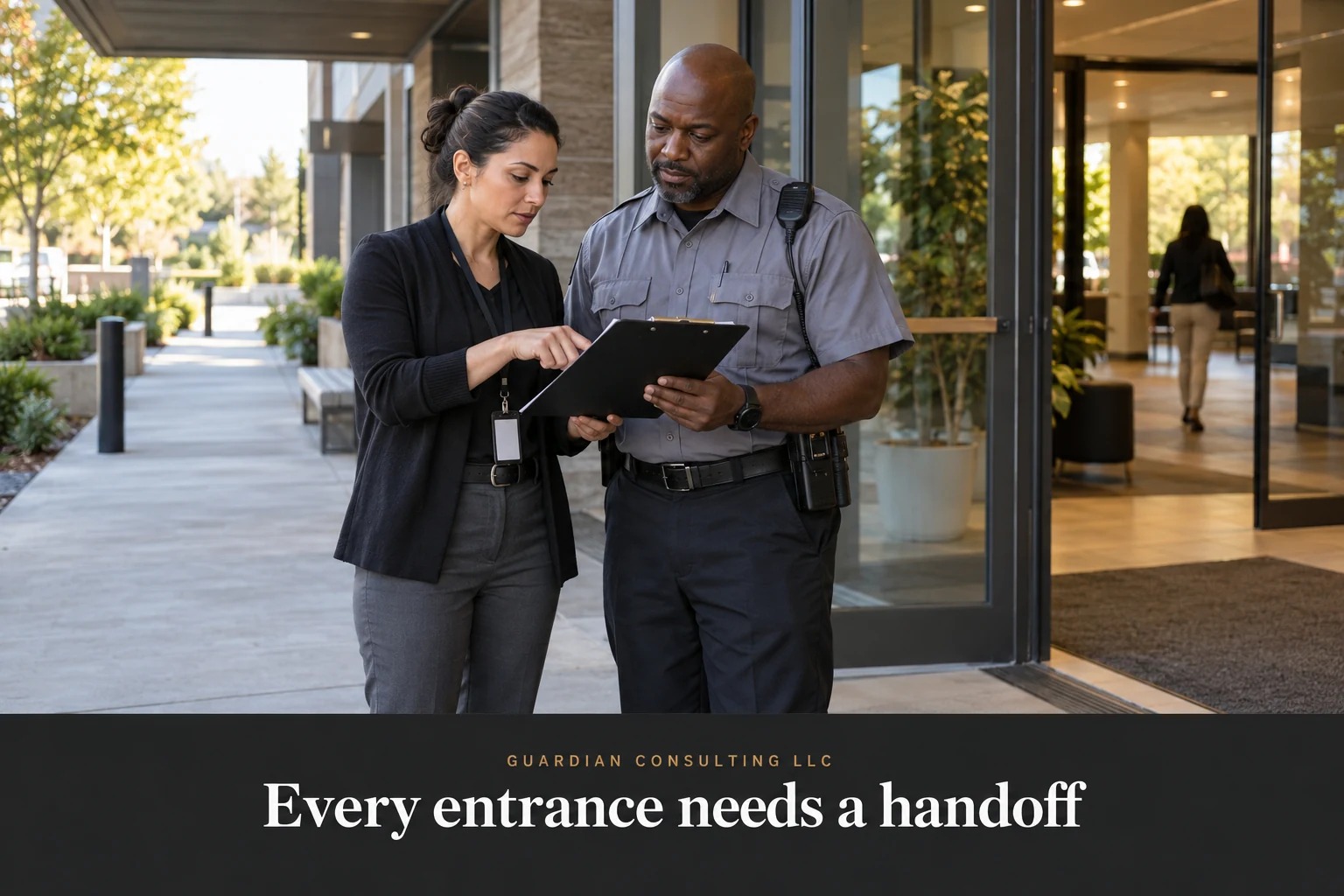
A lobby renovation, delivery operation, or maintenance project changes where visitors enter. Facilities approves a route, but the desk continues giving yesterday's directions. The resulting confusion is an operational handoff problem that can be prevented before the first visitor arrives.
Use this proposed coordination worksheet alongside the accessible lobby security playbook. It is for planned, routine access changes. It is not an emergency-routing plan, a construction specification, or authority to alter an exit, door, ramp, or access-control system.
- Confirm the route owner and the current instruction version.
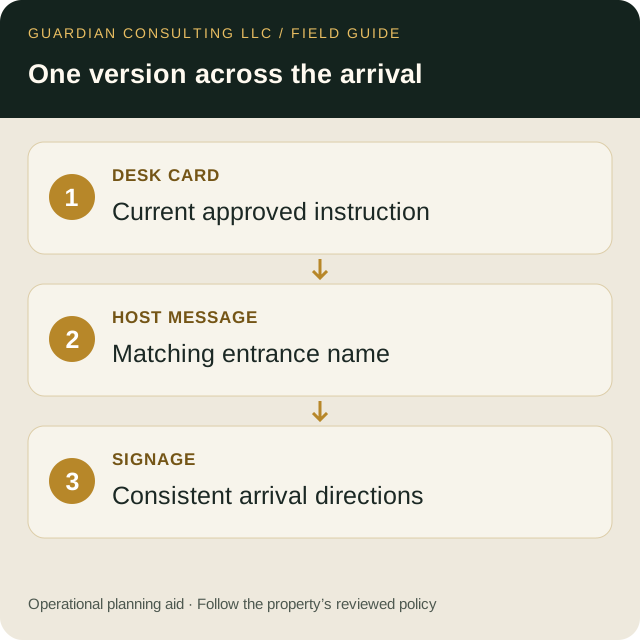
- Align the desk card, host message, and signs.
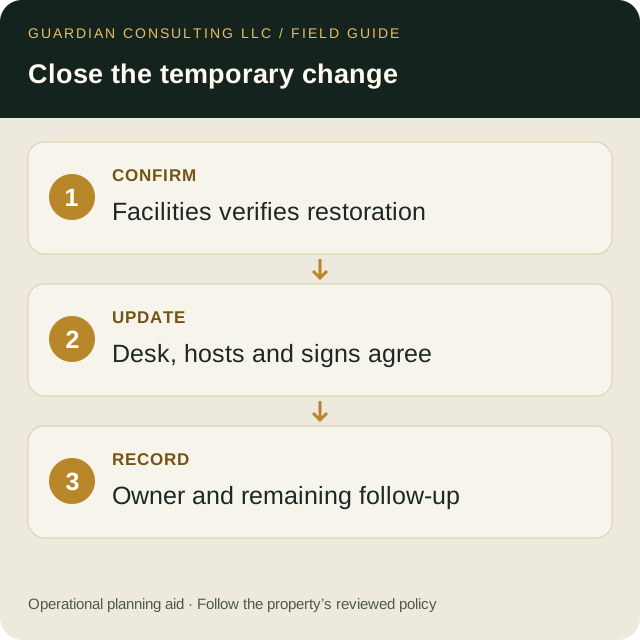
- Update the instructions together after restoration is confirmed.
Name the route owner and the desk owner
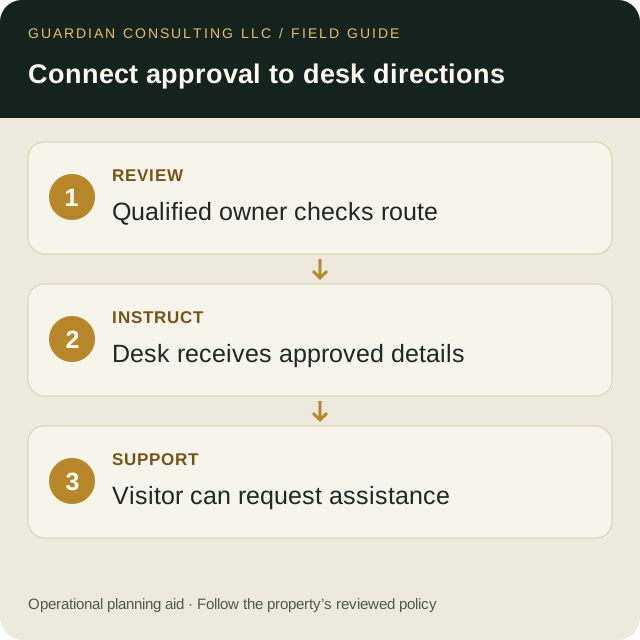
Facilities or the property's designated qualified reviewer should confirm the approved route. Security should receive the operational instructions: entry point, destination, permitted hours, how visitors request assistance, and whom to contact if the route is unavailable. The desk should not have to interpret a contractor's drawing to answer an arriving visitor.
The U.S. Access Board explains accessible-route and entrance requirements in its accessible routes guide and entrances, doors, and gates guide. The guides address connected access through facilities; compliance depends on the applicable standards and actual conditions. A qualified review should precede operational directions.
Prepare one source of approved directions
Give the desk and host contacts the same version of the arrival instructions. Include a plain-language description of the approved entrance and the point where assistance is available. Avoid describing a route solely by a landmark that the visitor may not be able to perceive. Review the communication method as well as the wording.
| Handoff field | Example of useful detail |
|---|---|
| Change window | Start, end, and review time |
| Approved arrival point | Entrance name used consistently in messages and signs |
| Destination connection | Person responsible for confirming onward access |
| Assistance | Contact method, location, and staffed hours |
| Failure response | Duty contact and backup if the approved route is blocked |
| Restoration | Who confirms normal instructions can resume |
Fill these fields with the property's actual approved plan. Do not copy hypothetical routes from another building.
Walk the instruction before distributing it
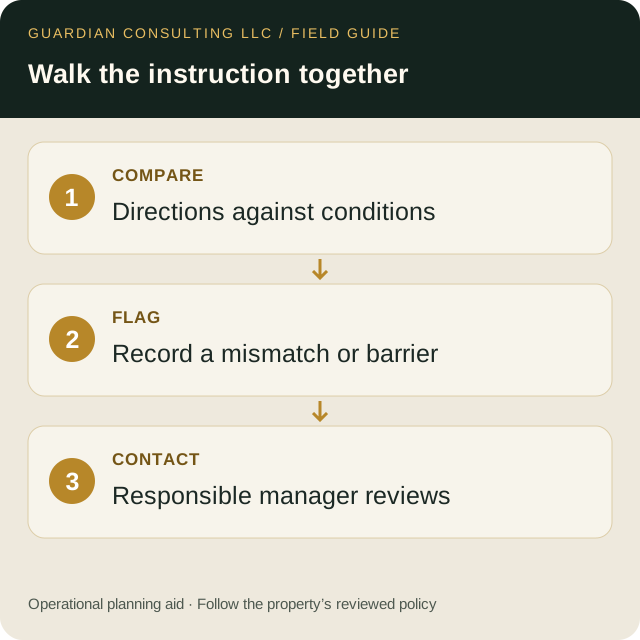
Have the designated reviewer and desk representative compare the directions with the actual visitor journey. Check for a mismatch between the sign, the host's appointment message, and what the guard intends to say. A correct route can still be hard to find if three departments call the entrance by different names.
The check is not permission to make physical modifications. If an obstruction, locked opening, or unapproved change prevents use of the route, contact the responsible manager and follow the reviewed response. Do not move barriers, disable door controls, or improvise a ramp based on convenience.
Give each shift a concrete status handoff
Record which instruction version is current, when the approved route was last checked, and any unresolved issue. If work continues beyond the expected end time, the outgoing team should say so explicitly. The next shift needs the actual state rather than the original schedule.
Keep visitor assistance separate from construction coordination. The person at the desk should know how to help an arriving visitor while the project owner resolves the underlying condition. Use the communication guide when ordinary spoken directions are not effective.
Close the change deliberately
When facilities confirms normal access has resumed, update the desk card, host messages, and temporary directions together. Keep a short record of who confirmed the restoration and whether any follow-up remains. A temporary sign left behind can create tomorrow's wrong turn.
Practice a blocked-route scenario in the supervisor tabletop, then incorporate the correction into the main playbook.