
A downtime kit is useful only if an officer can find it, understand it and use it within the property’s authority. A drawer containing an old sign-in book, expired tenant contacts and several unexplained badges is not a workable plan. The preparation task is to connect each item to a specific step in the arrival process.
This guide supports the NYC visitor-management outage plan. Its scope is reception continuity during a check-in service interruption. It does not authorize system administration, shared passwords or changes to doors, alarms or emergency instructions.
Start with an activation card
Write a short card that names the person who may activate the fallback, the conditions it covers and the contact to use when the situation falls outside those conditions. Include a version date and an owner. Avoid a vague instruction such as “use manual procedures” without defining the procedures or the authority behind them.
Distinguish a failed printer from unavailable appointment records. A kit for one failure may be unsuitable for another. If the fallback assumes the host can be contacted by a building telephone, identify what happens when that telephone is unavailable too. Do not assume staff may substitute personal messaging accounts.

Organize materials around the sequence
Arrange the kit in the order staff will need it: activation instructions, contact route, blank record, approved temporary-pass materials and closeout envelope. Limit the number of separate documents. A supervisor should be able to explain why each one is present.
- Controlled instruction card with version and owner.
- Approved contact directory or an authorized offline alternative.
- Numbered blank record pages and a cover sheet.
- Approved temporary passes, if the property permits them.
- Pens, secure storage instructions and a transfer envelope.
Use the manual-log guide to define what belongs on the record. Keep the kit free of unnecessary copies of identity documents, access codes and broad tenant information. If confidential contact details are required, restrict handling and distribution under the property’s policy.

Check availability without exposing private information
Ask an authorized relief officer to locate the kit using the same instructions a new shift would receive. Have that person identify the activation owner and the first approved contact method. This is a retrieval check, not permission to browse unrelated records or test real tenant phone numbers without coordination.
FTC information-protection guidance recommends knowing what information a business holds and limiting access to those who need it. For a reception kit, that means a controlled location, a named custodian and a clear return procedure. Public availability is not the same as operational availability.
Keep temporary passes accountable
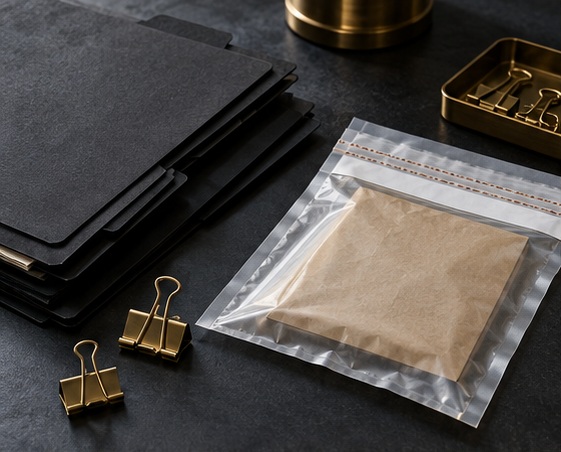
If management permits manual passes, the kit should state which design is authorized and what it represents. A paper identifier may identify a registered visitor without unlocking anything. Do not describe it as an access credential unless the property has explicitly assigned that function.
Record the stock range issued and the method for reconciling returned or unused passes. Store unused materials so that visitors cannot help themselves. If no approved alternative exists, escalate rather than inventing a pass that appears official. The host-approval workflow still controls the underlying visit decision.

Maintain the kit as an operating document
Review it whenever a contact, entrance, visitor category or system process changes. A fixed review date alone will not catch a tenant contact who left yesterday. Record the person who checked it, the outdated item found and the replacement version. Remove superseded instructions from operational use according to the records policy.
NYC Emergency Management provides business preparedness resources for planning continuity and coordination. Use those broader resources alongside the property’s own plan, then test this narrow kit with a fictional outage tabletop.
Define what happens at restoration
Include a return checklist: account for materials, transfer completed records to their custodian, identify unresolved visits and confirm who restores the normal desk process. Do not simply place used forms back beside blank stock. Keep the reconciliation process available in the same kit so the end of the outage is as clear as its beginning.