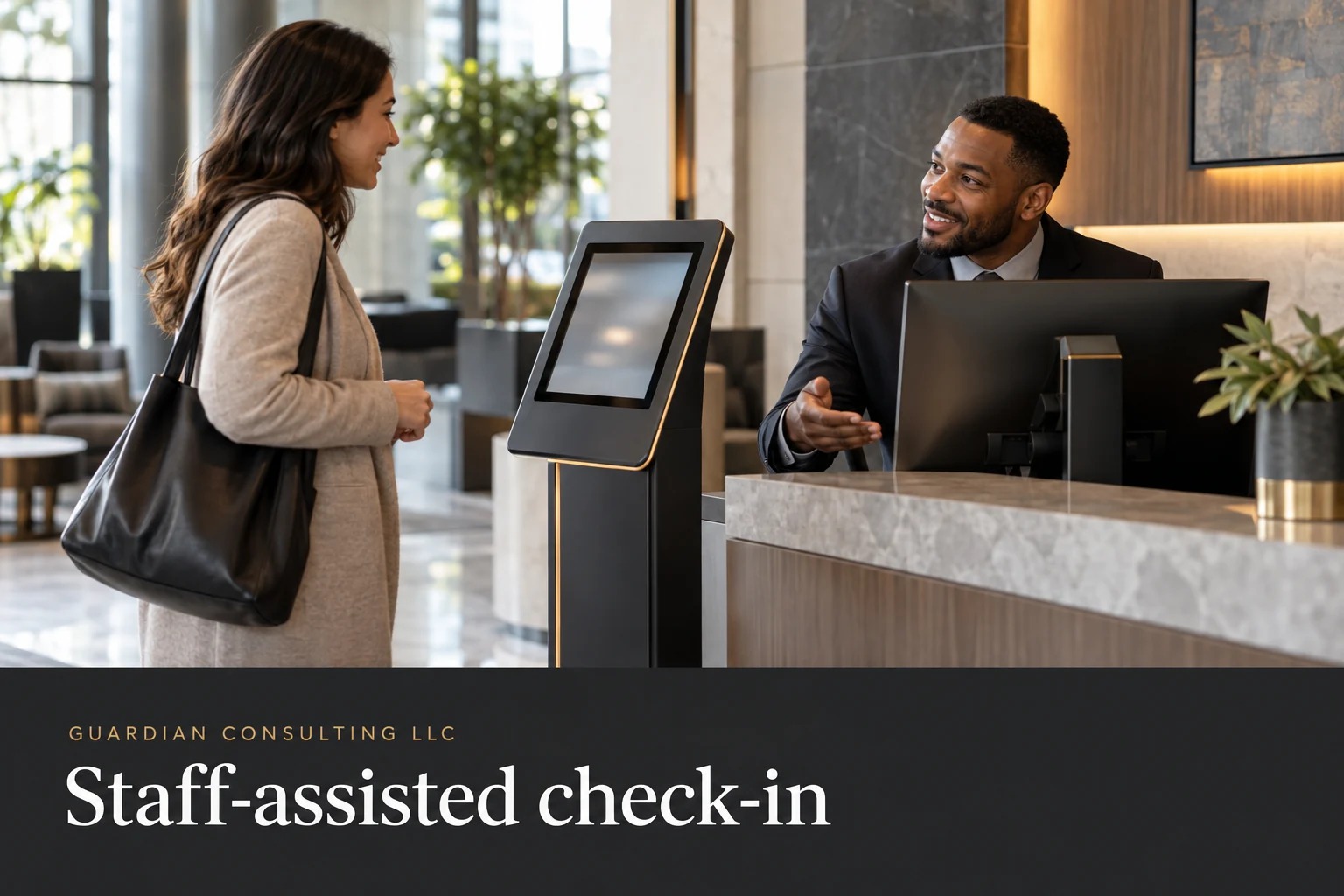
A frozen check-in screen is an operational interruption, but it does not automatically tell a security officer what has failed. Appointment lookup, host notifications, badge printing and door access may be separate services. Treating them as one system can lead to a poorly chosen workaround: abandoning authorization because a printer is offline, or assuming a working door reader means the visitor register is current.
This playbook helps NYC office and hotel property managers prepare a bounded fallback for visitor reception. It is not a technical recovery procedure, an emergency plan replacement or permission to bypass access controls. Hotel room-key issuance remains a separate identity and authorization process.
Establish the scope before changing the process
Ask the desk to describe the failed task and observed symptom. Record when it was first noticed, which entrance is affected and whether another approved workstation has the same problem. Avoid labeling a cyberattack, power failure or vendor outage without confirmation from the responsible technical team.
The manager should separate unavailable functions from still-working functions. An appointment list that cannot refresh is different from a list that is confirmed current. A successful badge print does not prove that a host approved the visit. These distinctions determine which approved fallback steps are actually needed.
Assign three decision owners
Give the operational lead authority to activate the approved desk process, the technical lead responsibility for fault assessment, and the records owner responsibility for temporary information. One person may hold more than one role, but each decision should have a named recipient and backup contact.
NYC Emergency Management’s business preparedness resources place continuity planning in the wider emergency-preparedness context. Apply that planning principle to this narrow service: determine the minimum arrival process the property can safely support, who can authorize it and when normal reception must be reduced or suspended.
- Identify the affected entrance and operating period.
- Name the fallback authorization owner and escalation contact.
- Define which visitor categories the fallback can handle.
- Confirm the secure location of temporary materials.
- Set the next status-review time without promising restoration.

Prepare the desk before the next outage
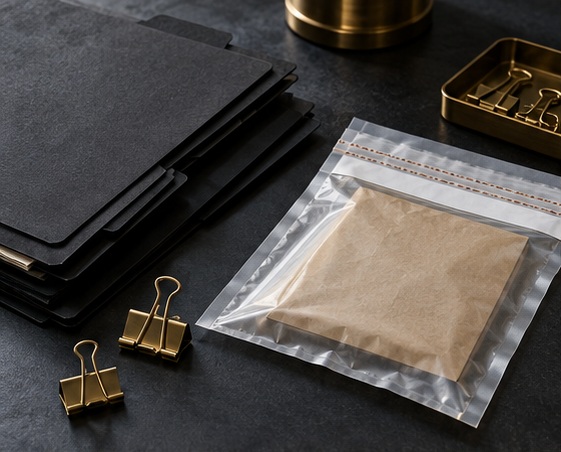
Use a visitor-system fallback kit with controlled instructions, limited blank forms and approved contact routes. Prepare a privacy-conscious manual visitor record rather than handing visitors a public sheet containing everyone else’s details. Keep spare materials in a location authorized staff can actually reach when normal systems fail.
The objective is continuity with accountability. It is not to reproduce every screen field on paper. The FTC’s business information-protection guide supports collecting and retaining only information needed for a legitimate purpose. Management should decide the record fields and retention arrangements before the desk improvises them.

Preserve the approval decision
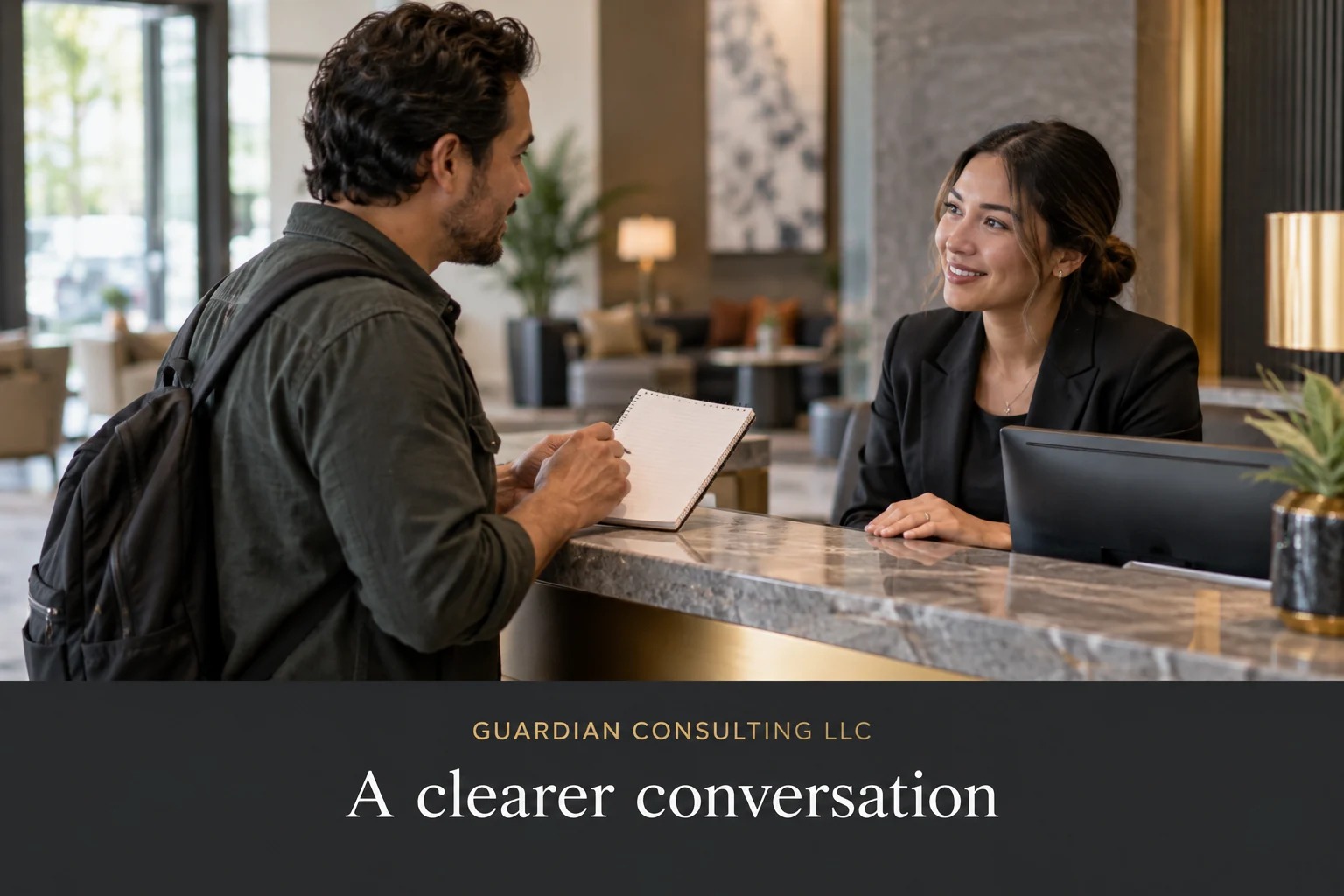
Follow the host-verification fallback for a trusted contact route and a clear unresolved state. A visitor’s invitation screenshot may help identify an appointment, but it does not independently establish current permission under the property’s rules. When approval cannot be verified, escalate through the approved process and explain the delay respectfully.
Keep any queue within the property’s approved arrangement. OSHA’s exit-route standard addresses opening exit doors from inside; a reception workaround should never change those protections. Refer door or life-safety-system issues to the responsible team immediately.
Close the outage with evidence
A restored login is only the start of visitor-record reconciliation. Confirm which manual visits remain open, which temporary passes need review and which entries are uncertain. Record the actual event time separately from later data entry where the system permits it; do not manufacture precise times.
Finish with a short outage exercise and review. Use a fictional arrival to test the corrected gap. Guardian Consulting’s security services can support discussion of on-site roles and procedures; technical recovery and system configuration remain with the responsible providers.