

A decorative-display installer may arrive with a crew, carts, packaging and a proposal to move something “just a few feet.” The security desk needs enough information to manage that arrival without becoming the person who approves the design or supervises technical work.
For NYC hotels and managed buildings, an installer brief should make the limits of the agreed visit unmistakable. This is an access-and-coordination tool. It does not replace contractor qualifications, building work approvals, applicable permits or the property's safety arrangements.
Prepare the brief for the actual work window
Identify the vendor, expected crew contact, date, arrival window, destination and property representative. Record the accepted display revision and explain where the installer should wait while the property contact is reached. A contact who is available only during office hours is not an effective owner for overnight setup.
Include the operational details that the desk will actually use:
- Approved delivery entrance and route.
- Agreed staging area and limits on temporary storage.
- Property contact authorized to decide on substitutions or layout changes.
- How the installer obtains required access under existing procedures.
- Who accepts the installed condition and who receives the closeout message.
Do not place access codes, sensitive floor plans or unnecessary personal data on a broadly shared vendor notice. Give the crew the information needed for the authorized visit through the property's established process.

Verify arrival without approving a change
Use the property's normal vendor-arrival verification procedure. Compare the arrival with the scheduled visit and contact the named representative. If the vendor arrives early, brings an unlisted subcontractor or delivers a different item, record the difference and obtain a decision before allowing the changed work to proceed.
The seasonal display approval packet should make the accepted scope identifiable. An email saying “holiday vendor expected” is too vague if two different suppliers are working in the same week.
Admitting the scheduled crew does not authorize it to relocate furniture, alter electrical arrangements or use additional rooms. Keep those decisions with the property representative and qualified personnel responsible for the work.
Protect operations while work is underway
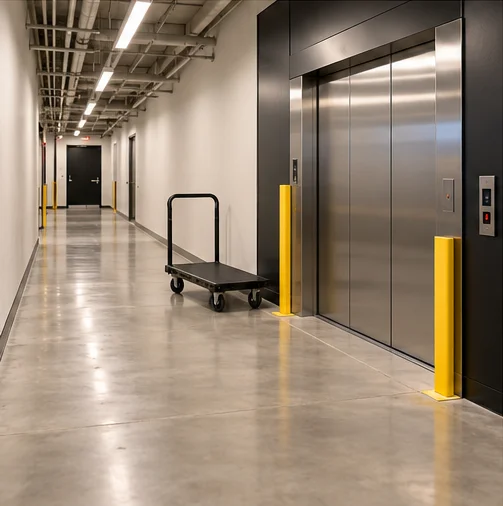
Discuss the work sequence with the responsible building team before the visit. If delivery carts, packing material or a protective barrier conflict with ordinary circulation, the installer needs an approved arrangement rather than an improvised public-area storage location.
The NYC Fire Code includes requirements for means of egress as well as decorations. Keeping a contractor visit on schedule does not authorize obstructing required routes or safety equipment. The display layout review identifies the location decisions that should already have been made.
Security should observe and communicate changes within the assigned role. It should not direct unfamiliar installation methods, hold energized equipment or climb to adjust the display. If a condition creates immediate danger, use the building's emergency procedures rather than waiting for the vendor's commercial contact.

Finish with a property-side acceptance
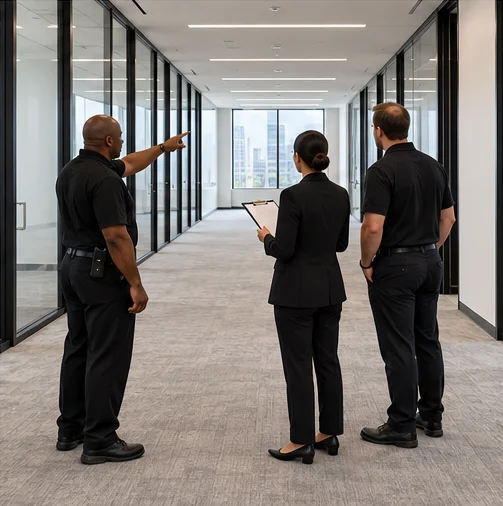
A departure entry establishes that the crew left. It does not establish that the space is ready for normal use. Ask the designated property representative to confirm the installed arrangement, packaging removal and remaining work. Record whether the display may operate and any restriction communicated by the responsible team.
If installation remains incomplete at shift change, hand over the actual status: location, work still open, vendor remaining on site, property contact and next decision. Avoid the ambiguous phrase “decorations done” when the acceptance is still pending.
A practical departure record
- Crew departure time and contact.
- Property representative who reviewed the result.
- Accepted arrangement or unresolved differences.
- Packaging or equipment still on site, with its owner.
- Any operating restriction and the person who issued it.
- Scheduled removal contact and date, if confirmed.
Return to the main seasonal-display coordination guide for the complete sequence. Use the same discipline for the return visit described in the removal and restoration checklist. A short brief is valuable when it preserves decision boundaries, not when it merely adds another signature.