
A seasonal display's last day can produce more temporary clutter than its first. Packing material returns, furniture moves again and a vendor may leave before facilities has checked the restored space. Closing the record at “display collected” misses those remaining decisions.
This checklist is for NYC hotel and property managers coordinating ordinary indoor display removal. It is not a dismantling procedure. Electrical disconnection, overhead work, heavy lifting and repairs must be planned and performed by appropriately qualified and authorized people.
Set the end condition before removal starts
Describe what the space should look like when the work is complete. Use the accepted pre-display arrangement, a current facilities instruction or another approved reference. Do not assume last year's photograph remains correct if the lobby furniture or reception layout has changed.
Assign responsibility for the display, temporary barriers, packing waste, floor protection and any repair or cleaning work. Agree where materials may wait during removal and how the vendor will leave without creating a second storage problem elsewhere in the building.
The seasonal display approval packet should identify the original removal commitment. If the schedule has changed, update the actual desk brief and property contact rather than leaving an expired appointment as the only instruction.

Confirm the return visit and safe work boundaries
Use the property's vendor-verification process again. A return visit is not open-ended authority to access other areas or take unrelated property. Confirm the named contact and the removal scope, particularly when a different crew attends.
Facilities should determine the appropriate sequence for powered components and any work affecting the building. Security should not pull unfamiliar plugs, reset equipment or move a large installation simply to accelerate the vendor's departure. Record the responsible person's instruction and keep the work within the approved arrangements.
The FDNY Fire Code collection, particularly its means-of-egress chapter, is the official starting point for the applicable requirements. The property team should resolve site-specific questions rather than applying a generic decorating checklist as a code approval.

Inspect the restored area, not just the empty footprint
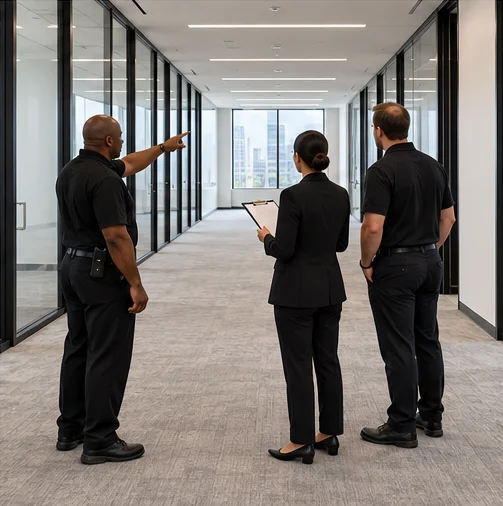
After the responsible team has completed the work, check the surrounding operating area with the designated property representative. Look for remaining packaging, displaced furniture, loose floor protection or equipment left behind. Report observed damage without guessing who caused it or what repair is necessary.
- Is the agreed circulation arrangement restored?
- Have temporary barriers and signs been removed or retained under a current instruction?
- Is any vendor property still waiting for collection?
- Has facilities accepted any affected electrical or building component?
- Are cleaning or repair tasks still open, with owners and next updates?
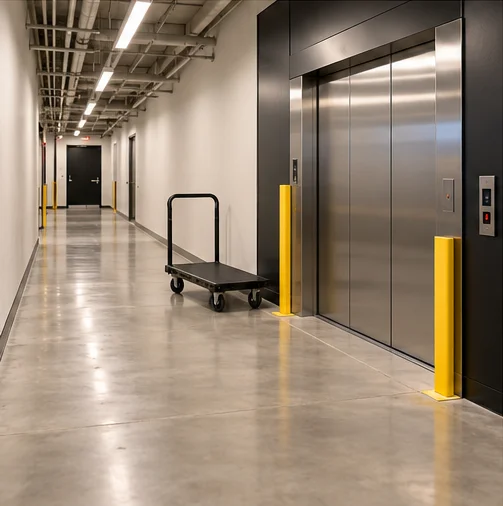
An empty display footprint is not enough if a box now occupies a circulation route. Conversely, a remaining item may be intentionally retained under a new approved arrangement. Record the actual decision instead of assuming every object must be removed.
Close separate responsibilities separately
Give each remaining task a status. The vendor may have completed collection while housekeeping is still working and facilities is assessing a floor mark. Keep those facts separate. Do not ask a guard to sign a blanket “all satisfactory” statement covering work outside the guard's role.
Use an operational closeout that names who accepted the space, when and with what exceptions. If a concern remains, link it to the maintenance or management record and identify the person responsible for the next update. Preserve the original observation even after the issue is resolved.
The electrical-condition report guide explains the difference between reporting a visible condition and declaring equipment safe. The installer brief provides the arrival and departure structure for the removal crew.

Save a useful next-season note
Record which arrangement was accepted, which operational conflict required a change and which question should be resolved earlier next time. Avoid unsupported claims about savings or incidents prevented. A concise factual note is more useful than an unmeasured declaration that the display was a success.
Return to the seasonal lobby-display coordination guide to review the full process. A completed removal record should show that ownership passed back to normal building operations, not merely that a seasonal vendor stopped appearing on the schedule.