

Sending an attachment is one event; confirming that the right authorized person received the right incident package is another. A transfer register helps a property team explain what left its custody and what the receiving person actually acknowledged. It also exposes practical failures such as an unreadable file or a link sent to the wrong address before everyone assumes the handoff is complete.
This guide is a proposed administrative register for property and hotel operations. It does not establish legal chain of custody, authorize disclosure or replace instructions from counsel, investigators or insurers. Start with the incident-record preservation playbook and use the organization's approved systems.
Verify authority before choosing a channel
A requester may be a resident, guest, colleague, insurer, attorney or law-enforcement representative. Their request alone does not establish that the desk may release records. Route release decisions to the designated manager and verify the requester through an approved method. Do not rely solely on a familiar display name or an urgent message.
The desk should be able to acknowledge receipt of a request without promising to provide footage or personal information. Record the request and its owner. Requests involving compulsory legal process, contested access or sensitive material need the appropriate legal and management review; this article offers no rule for deciding them.
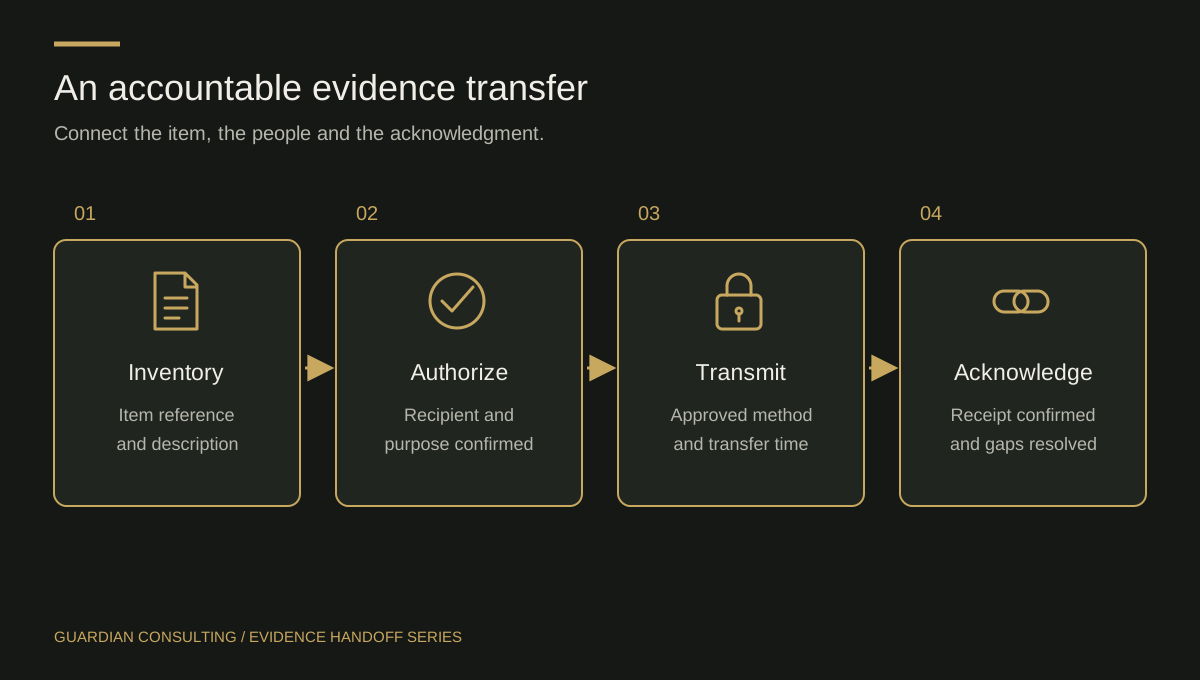
Identify the package precisely
List item references, filenames or controlled document identifiers, the version and the number of items. Describe the scope without copying unnecessary personal details into the register. A filename alone may be ambiguous when several exports are called “video.mp4.” Pair it with the incident and source references.
State whether the package contains originals, copies, excerpts or redacted derivatives. A custodian's technical integrity information, when provided through the approved process, can accompany the package. Do not invent a hash, assume it was checked or claim that a checklist guarantees evidentiary authenticity.
Use the photo guide for derivative images and the CCTV guide for export scope and playback limitations.
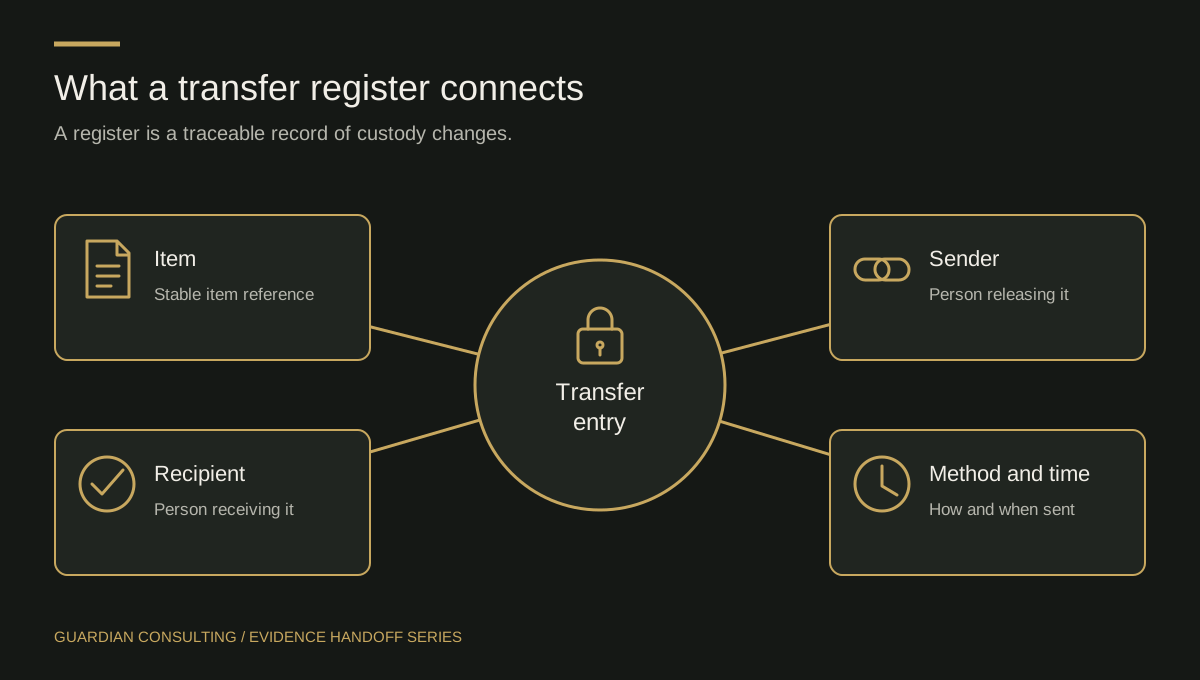
Record the transfer as a sequence
A practical register can capture:
- Incident and transfer reference.
- Authorized release decision and its scope.
- Sender, verified recipient and stated purpose.
- Item list and version being sent.
- Date, time and approved transfer method.
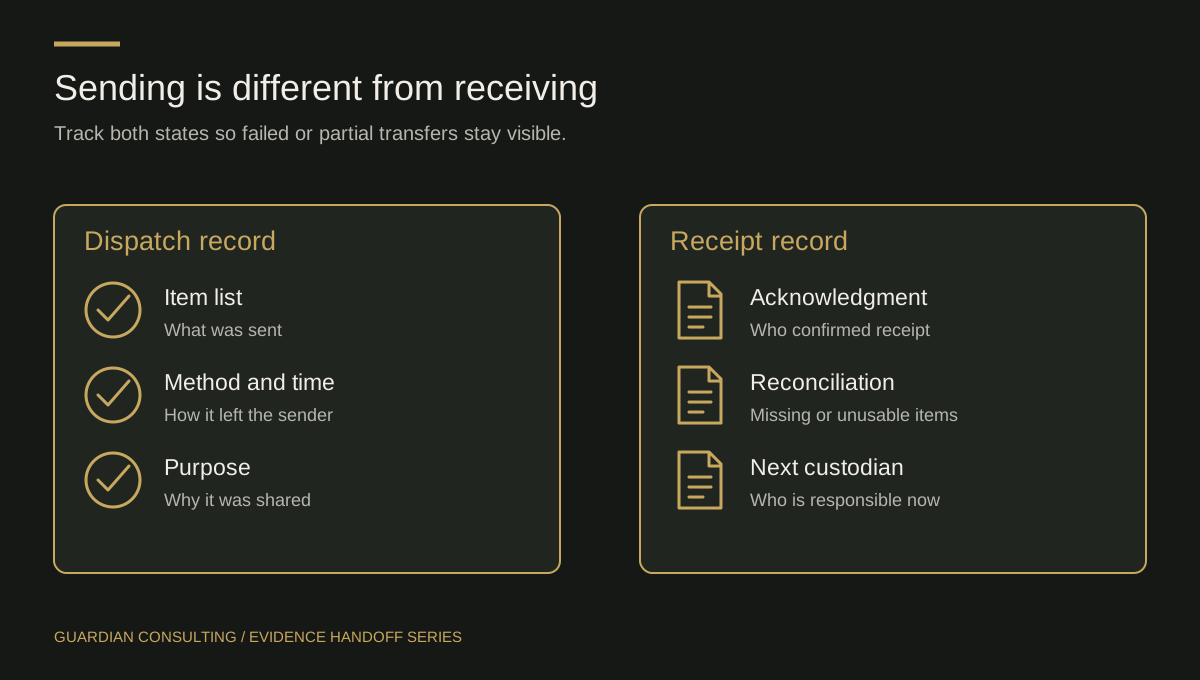
- Recipient acknowledgment and any reported access issue.
- Follow-up owner and final status.
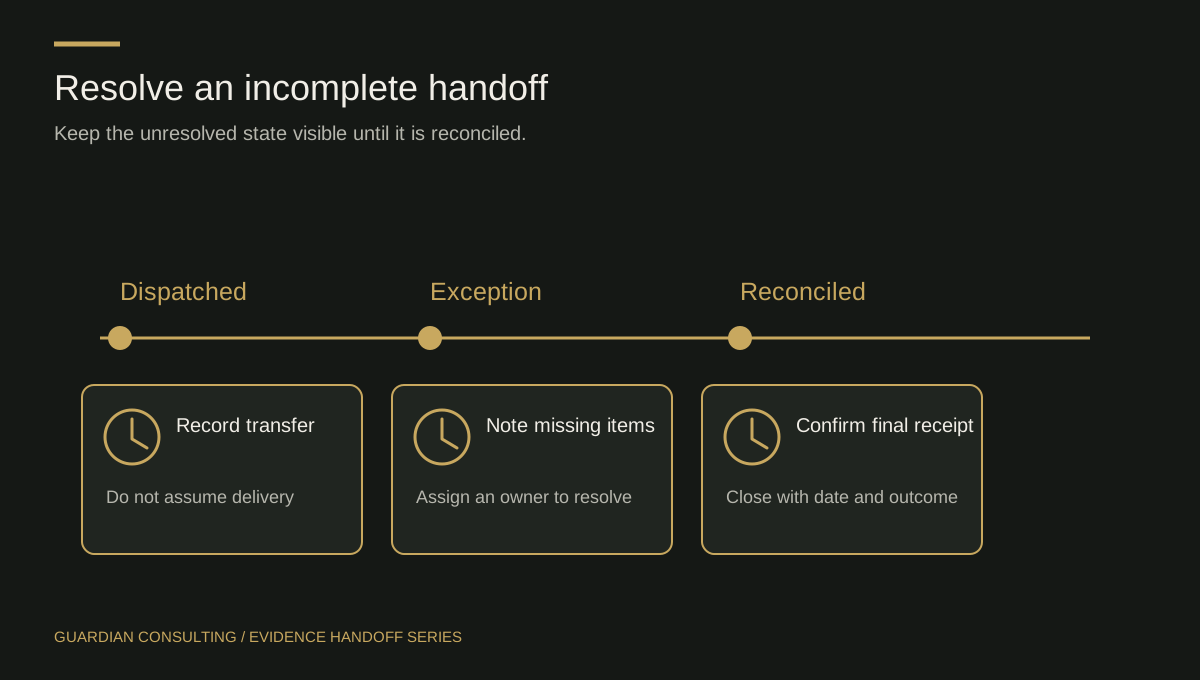
Keep operational states distinct: prepared, sent, received, checked or returned for correction. “Sent” should not automatically become “received.” A delivery notification does not prove that the recipient could open the files or that the package was complete.
Resolve a failed handoff without widening access
If a file is too large or a link does not work, use the approved alternative and document the change. Do not make a folder public, remove access restrictions or send the package to a personal address simply to finish the task. An incorrect recipient or unexpected disclosure requires prompt escalation under the organization's incident process.
The FTC's secure-transmission guidance supports protecting sensitive information in storage and transit. The exact technology and permissions should be selected by the organization, not improvised by a guard at the end of a shift.
If the recipient reports a missing item, compare the request, approved scope and actual package. Record whether the issue is an omission, a technical failure or a limit on what may be disclosed. Those outcomes require different next steps.
Keep custody and retention decisions separate
A confirmed transfer does not automatically authorize the sender to delete its retained records. Follow the applicable retention policy and any preservation instruction, with management and counsel resolving conflicts. Conversely, a transfer register should not become an uncontrolled permanent archive of every private detail in the underlying matter.
At shift change, hand over open transfer references and their owners. A supervisor should be able to answer: who has the package, what did they acknowledge, and what remains unresolved? If the narrative changes later, use the corrections workflow and record the revised transfer. That closes the communication loop without pretending the underlying incident itself is resolved.