
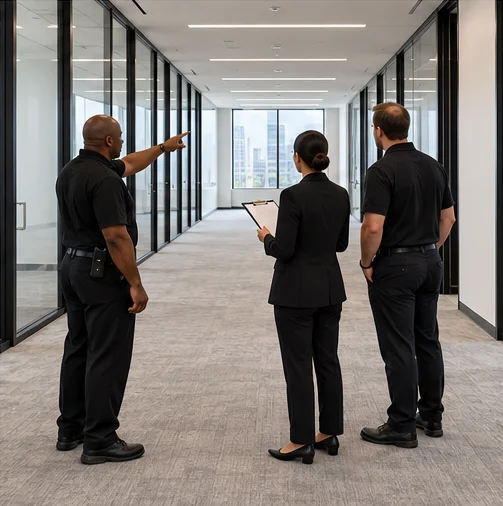
After the final shot, equipment may still occupy a service corridor, furniture may need replacing, and a concern raised during filming may remain unassigned. A structured wrap inspection identifies unfinished items before the teams disperse.
For NYC hotel and property managers, wrap is the final operational stage of filming-day property coordination. The examples below are planning guidance, not legal, insurance, safety, or technical advice. The agreement and authorized decision-makers determine contractual acceptance, responsibility, and remedies.
1. Define the inspection before filming begins
Agree who will attend the wrap walkthrough and who can make decisions for each side. A person who can unlock a room may not have authority to accept restoration work or resolve a disputed charge. Identify the fallback if the expected representative leaves before load-out finishes.
MOME recommends inspecting the property with a production representative when filming wraps, accounting for moved items, and reporting damage. Its private-location guidance also distinguishes private negotiations from the City's role. Consult MOME's guidance for hosting productions; private permission is not a substitute for any required City permit.
Prepare the comparison material in advance: agreed areas of use, approved changes, item movement records, and appropriate pre-use condition photographs. Follow the property's approved recording practices and avoid including occupants or unrelated personal information.

Agree what the walkthrough covers
- Filming rooms and support spaces.
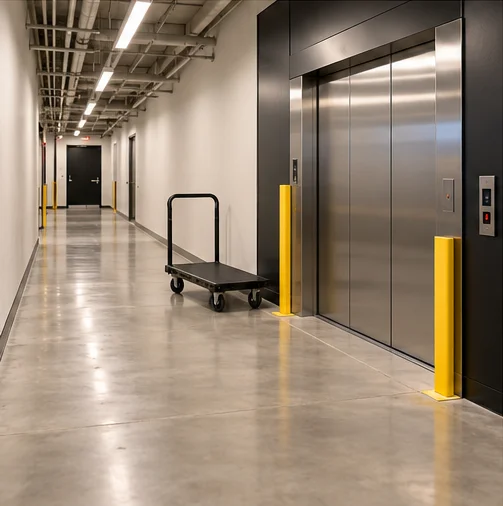
- Equipment routes and temporary holding areas.
- Furniture, fixtures, and other items moved for production.
- Property access items issued for the activity.
- Outstanding concerns recorded earlier in the day.
Allow time for review rather than working backward only from a departure time.
2. Inspect by zone and record observable conditions
Use a consistent route rather than following whoever happens to be leaving. Within each zone, compare the current arrangement with the agreed baseline and identify anything still preventing ordinary use.
Record observations precisely. “Two tables remain in storage room B” gives the next team something to verify. “Everything nearly finished” does not. If a surface appears damaged, describe the visible condition and location without assigning cause before it is established.
A working checklist can cover:
- Production equipment and materials remaining in the area.
- Furniture placement and the location of stored items.
- Visible condition of surfaces along the agreed route.
- Cleaning or waste-removal work still needed.
- Temporary signs, coverings, or other approved changes still present.
- Access items awaiting return and operational restrictions still active.
Technical conditions need qualified review. A manager's visual inspection should not be presented as certification that electrical, fire-protection, structural, or other building systems are safe or compliant. If a concern falls outside the team's competence, identify the reviewer and follow established property procedures.
3. Separate operational handback from contractual acceptance
Use clearly defined operational statuses for each zone, such as ready for ordinary use, available with stated restrictions, or awaiting further review. These are internal planning labels, not legal determinations. Do not assume that recording a room as available settles payment, responsibility, or contractual claims.
An outstanding-work list should identify the item, requested action, responsible contact, agreed target time, verification method, and any dependency. If responsibility or timing remains disputed, record it as unresolved rather than converting a proposed answer into an agreement.
Example: delayed furniture return
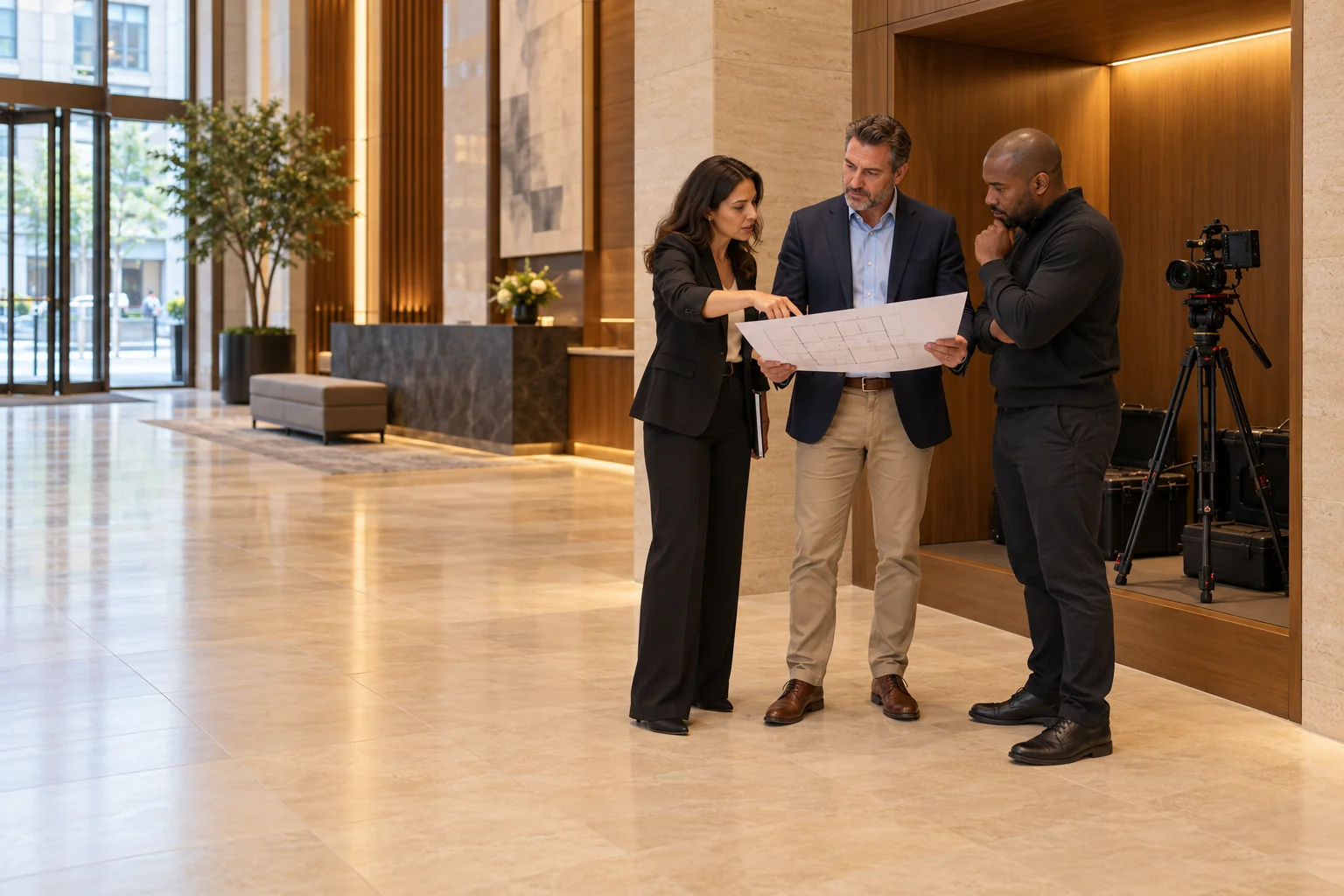
A lounge is clean, but a stored table has not been returned. Record the table's location, the contact coordinating its return, and the planned verification. The authorized property representative determines whether the lounge can reopen under the actual conditions. The record should not imply that the missing item has been accepted or that the agreed work is complete.
4. Hand over remaining work and verify closure
Before the production contact leaves, establish how unresolved items will be followed through. Confirm a reachable contact, any authorized return-access arrangements, and who will perform the reinspection. Access for a later visit should be coordinated, not inferred from the original filming day.
Send the incoming property shift a concise operational handoff: areas reopened, restrictions remaining, equipment still present, expected return visits, and occupant updates still owed. Link affected service changes to the occupant notice and complaint handoff process, so the desk does not announce restoration before it is verified.
Close each item against evidence appropriate to the task. A completion message may prompt a check, but it should not replace one where inspection was agreed. Record who verified the result and when, keeping unresolved commercial or technical questions with their authorized owners.
The useful end state: operations restored where verified, remaining work assigned, and no uncertainty hidden behind “wrap.”