
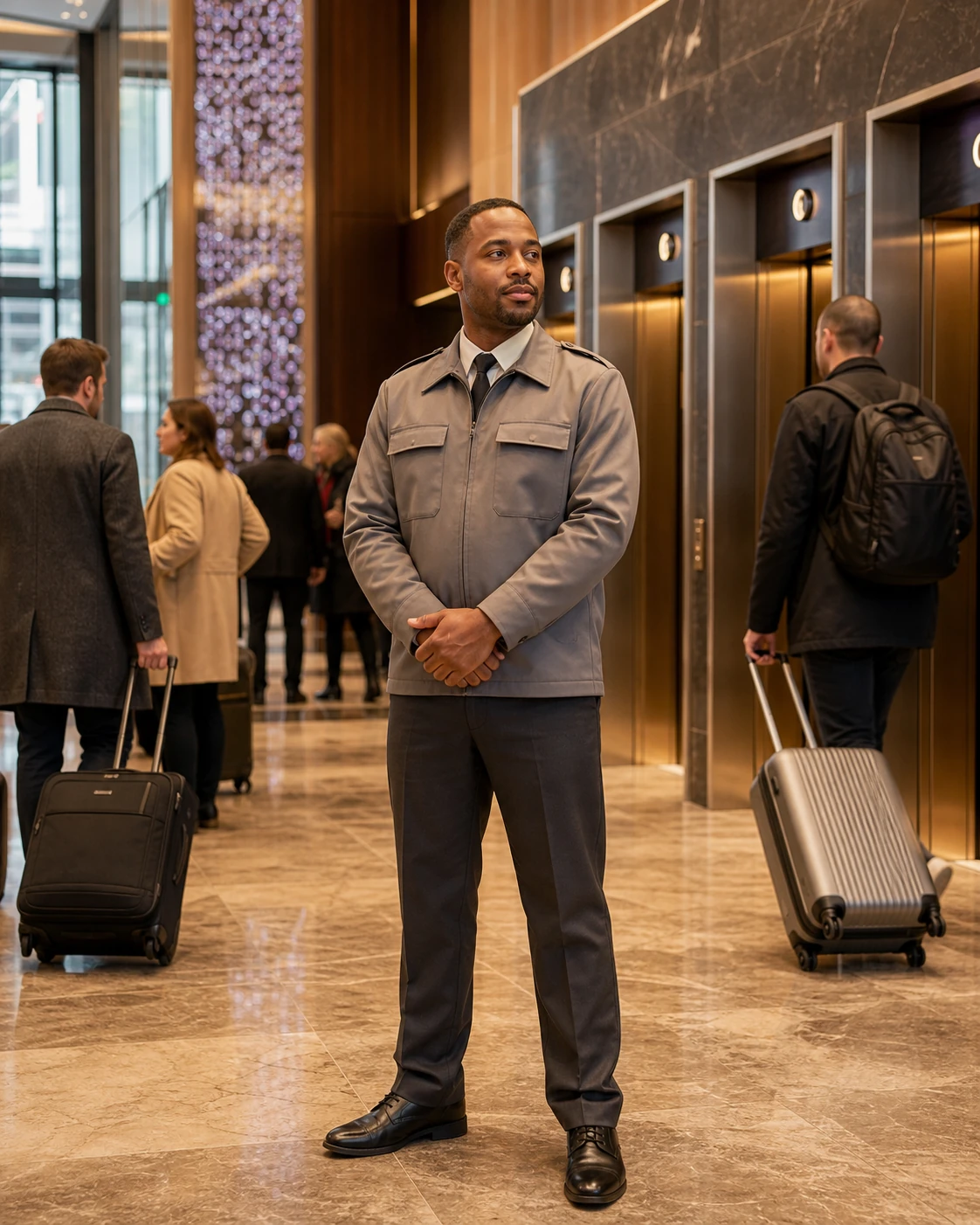
US Open travel can change how a Manhattan hotel operates, from guest arrivals and luggage storage to hospitality events and late-night returns. Hotels hosting spectators, corporate groups, media personnel, or event vendors should prepare around their confirmed bookings and the official schedule for the relevant tournament year.
The objective is not to make the property feel restrictive. It is to keep the lobby welcoming while giving security, front-office, bell, engineering, and overnight teams a shared plan for predictable pressure points.
Start With the Hotel’s Actual Guest Journey
A useful plan follows people and property from curb to room rather than concentrating exclusively on the front desk. Walk the expected guest journey and identify where congestion, confusion, or unauthorized access could occur:
- Vehicle unloading and rideshare pickup areas
- Sidewalk queues and revolving doors
- Bell desks and temporary luggage storage
- Registration lines and lobby seating
- Guest elevator banks
- Meeting rooms and hospitality suites
- Service entrances and loading docks
- Late-night food and package deliveries
This walk-through should include hotel operations, not only security. Bell personnel may notice abandoned bags first. Front-desk employees may see repeated attempts to obtain room information. Engineers may know which service doors fail to close consistently. Security procedures work best when those observations are combined.
Separate Three Types of Lobby Traffic
During a major event, the lobby may contain registered guests, invited visitors, and members of the public seeking transportation, restrooms, food, or directions. Treating everyone identically can create either unnecessary friction or weak access control.
Registered guests
Confirm how guests will demonstrate authorized access during high-traffic periods. The procedure should be discreet and consistent. Staff should never announce room numbers or disclose whether a named person is staying at the hotel.
Invited visitors
Define who can authorize a visitor and whether the host must meet that person in the lobby. Hospitality suites, sponsor meetings, and private gatherings may generate visitors who are legitimate but unfamiliar to the regular team.
Unconfirmed individuals
Give officers a courteous script for people who cannot identify a guest, event, restaurant, or other legitimate destination. The response should establish purpose without turning every conversation into a confrontation.
Put More Control Around Luggage Storage
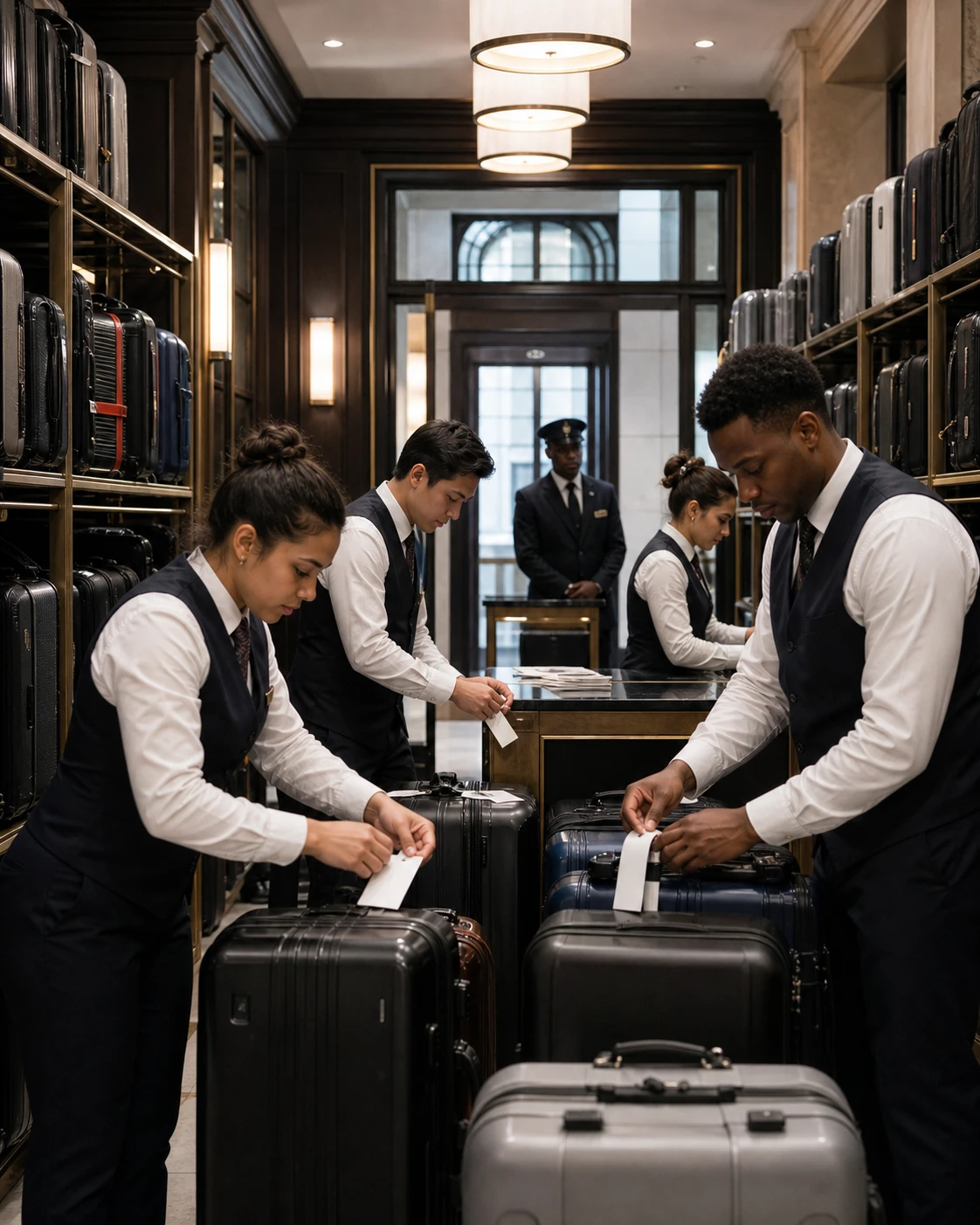
Luggage rooms can become exceptionally busy when guests arrive before check-in or leave bags after checkout. A rushed process can produce claim-ticket errors, unattended property, or unauthorized entry into storage areas.
Before peak activity begins, verify:
- Who may enter the storage room.
- How each bag is matched to its owner.
- Where oversized or unusual items are placed.
- How unclaimed property is escalated.
- Whether camera views are clear and appropriately positioned.
- What happens when a guest loses a claim ticket.
Security does not need to take over bell operations. It should help management test whether the process remains controlled when several arrivals, departures, and group movements happen at once.
Prepare for Rideshare and Vehicle Congestion
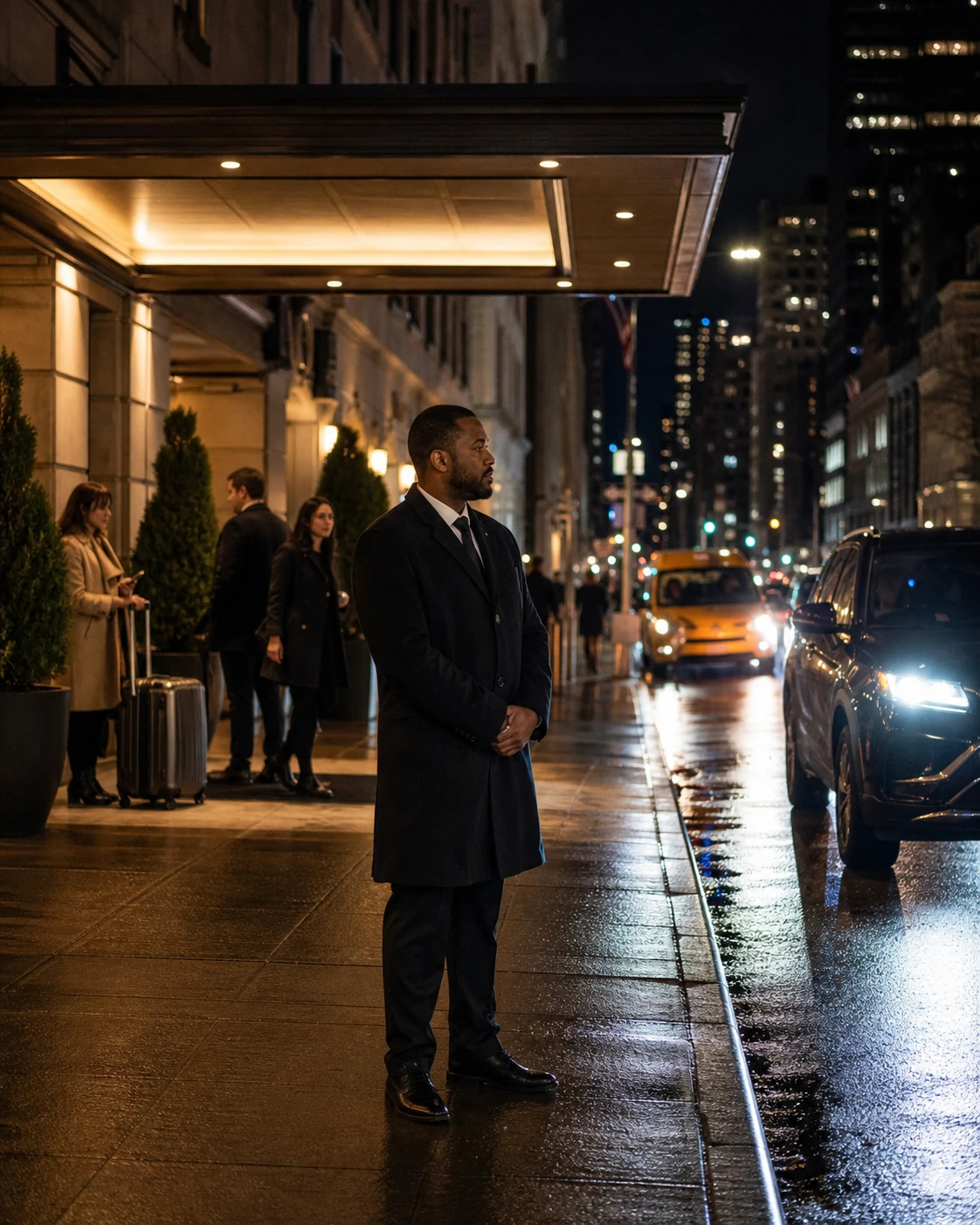
The security concern at the curb is often confusion rather than intentional misconduct. Guests may stand in the vehicle lane while checking license plates, drivers may stop in unauthorized locations, and luggage may be placed where staff cannot identify its owner.
Assign clear responsibilities for:
- Keeping entrances and exits usable
- Moving waiting guests away from active traffic lanes
- Reporting unattended bags or suspicious vehicle behavior
- Preventing non-guests from following groups through the entrance
- Coordinating with hotel management when queues affect neighboring properties
Officers should not step into traffic-control roles beyond their training and assigned authority. Their job is to maintain awareness, protect the entrance, communicate emerging problems, and request appropriate assistance when needed.
Brief the Overnight Team Separately
Tournament sessions and related entertainment can lead to concentrated late-night returns. The overnight plan should account for guests who are tired, distracted, unfamiliar with the building, or arriving with additional visitors.
A short overnight briefing should cover:
- Guest-verification procedures after a designated hour
- Elevator access and visitor escort rules
- Response to intoxicated or disruptive behavior
- Medical-emergency notification procedures
- Lost-key and lockout escalation
- Documentation for incidents involving rideshare drivers or vehicles
- When a supervisor or manager must be contacted
Avoid relying on a daytime post order that does not address nighttime conditions.
Control Temporary Vendors and Hospitality Deliveries
Florists, caterers, production crews, transportation coordinators, and event suppliers may arrive at unusual hours or use unfamiliar company names. Security should receive an updated vendor list containing the expected company, contact person, delivery location, arrival window, and approving hotel department.
If the information does not match, the officer should pause entry and contact the designated hotel representative. Pressure from a driver or claims of an urgent delivery should not replace verification.
For properties needing supplemental coverage, review Guardian’s hotel security services and emergency coverage options.
Use Short Operational Check-Ins
Conditions can change quickly during an extended event. A five-minute check-in between security and hotel leadership can identify:
- New group arrivals
- VIP or privacy concerns
- Schedule changes
- Repeated access attempts
- Curbside congestion
- Luggage-room capacity issues
- Upcoming private events
- Posts that need temporary reinforcement
The purpose is to adjust before a manageable issue becomes an incident.
Build a Plan That Supports Hospitality
Effective hotel security should be visible enough to discourage misconduct but polished enough to preserve the guest experience. That requires clear procedures, officers who understand hospitality, and supervisors who remain available when conditions change.
Guardian ISI can review your hotel’s event-period coverage, lobby procedures, vendor controls, and overnight staffing. Call or text (212) 602-1695, or request coverage online.
Related Guardian services
Plan guest-facing coverage through Hotel & Hospitality Security. Coordinate staffed vehicle-arrival duties with Guardian Secure Valet where appropriate to the property.
Frequently asked questions
Does every Manhattan hotel need extra guards during the US Open?
Not necessarily. Management should evaluate occupancy, group bookings, private events, luggage volume, operating hours, and the property’s existing staffing before changing coverage.
What hotel areas deserve the most attention during a major event?
Common pressure points include the curb, lobby entrance, luggage room, elevator bank, meeting spaces, service entrance, loading dock, and late-night access points.
Should hotel security ask every visitor for identification?
The property should use a consistent visitor procedure based on its risk profile, hospitality standards, and house policies. Verification should be courteous and tied to a legitimate destination or host.
Can a regular lobby guard manage tournament-related traffic alone?
That depends on lobby layout, guest volume, post responsibilities, and available support. Avoid assigning so many simultaneous tasks that the officer cannot properly monitor access.
How early should a hotel prepare its event-period security plan?
Planning should begin as soon as group bookings, hospitality events, or unusual arrival patterns become known. The team should update the plan as schedules and occupancy change.