
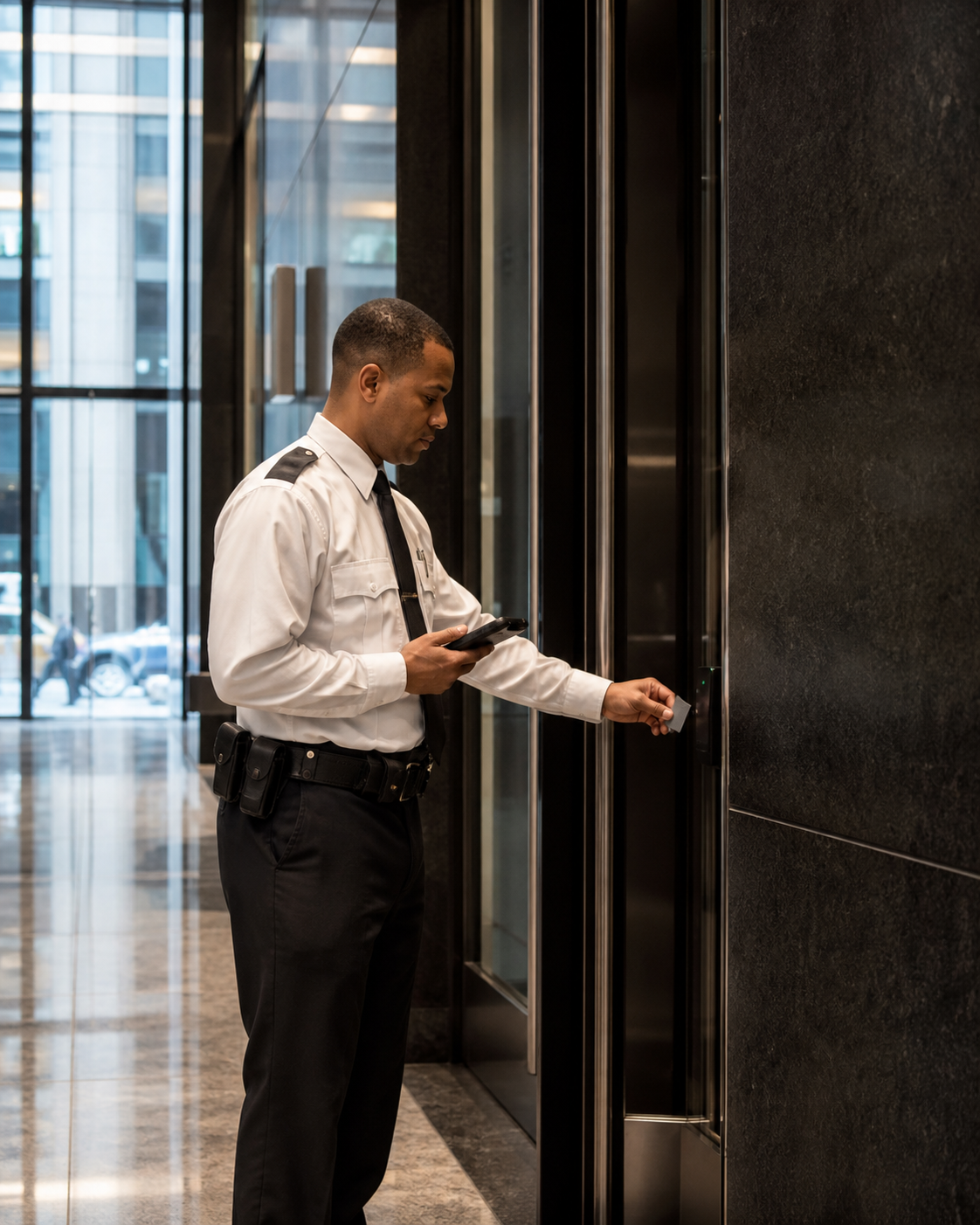
Security patrols and response procedures work together by connecting what an officer observes with the actions that follow. The patrol identifies unsecured doors, unauthorized visitors, hazards, suspicious activity, equipment failures, and other conditions. The response procedure tells the officer how to correct the issue, protect people, notify the appropriate contacts, preserve evidence, and document the outcome.
When patrol routes and response procedures are designed separately, officers may discover an important problem but lack clear instructions for addressing it. NYC properties need one coordinated system that connects every patrol finding to a defined response, escalation level, and management follow-up.
Give Every Patrol a Defined Purpose
A patrol route should be based on the property’s vulnerabilities and operating needs. Officers may need to inspect entrances, emergency exits, stairwells, loading areas, parking facilities, vacant floors, rooftops, mechanical spaces, construction zones, or the exterior perimeter.
Each checkpoint should answer a practical question: Is the door secure? Is the exit clear? Is anyone present who should not be there? Is there a leak, odor, alarm, lighting failure, or hazardous condition?
Match Common Patrol Findings With Defined Actions
Each frequently observed condition should have a corresponding response procedure. For example:
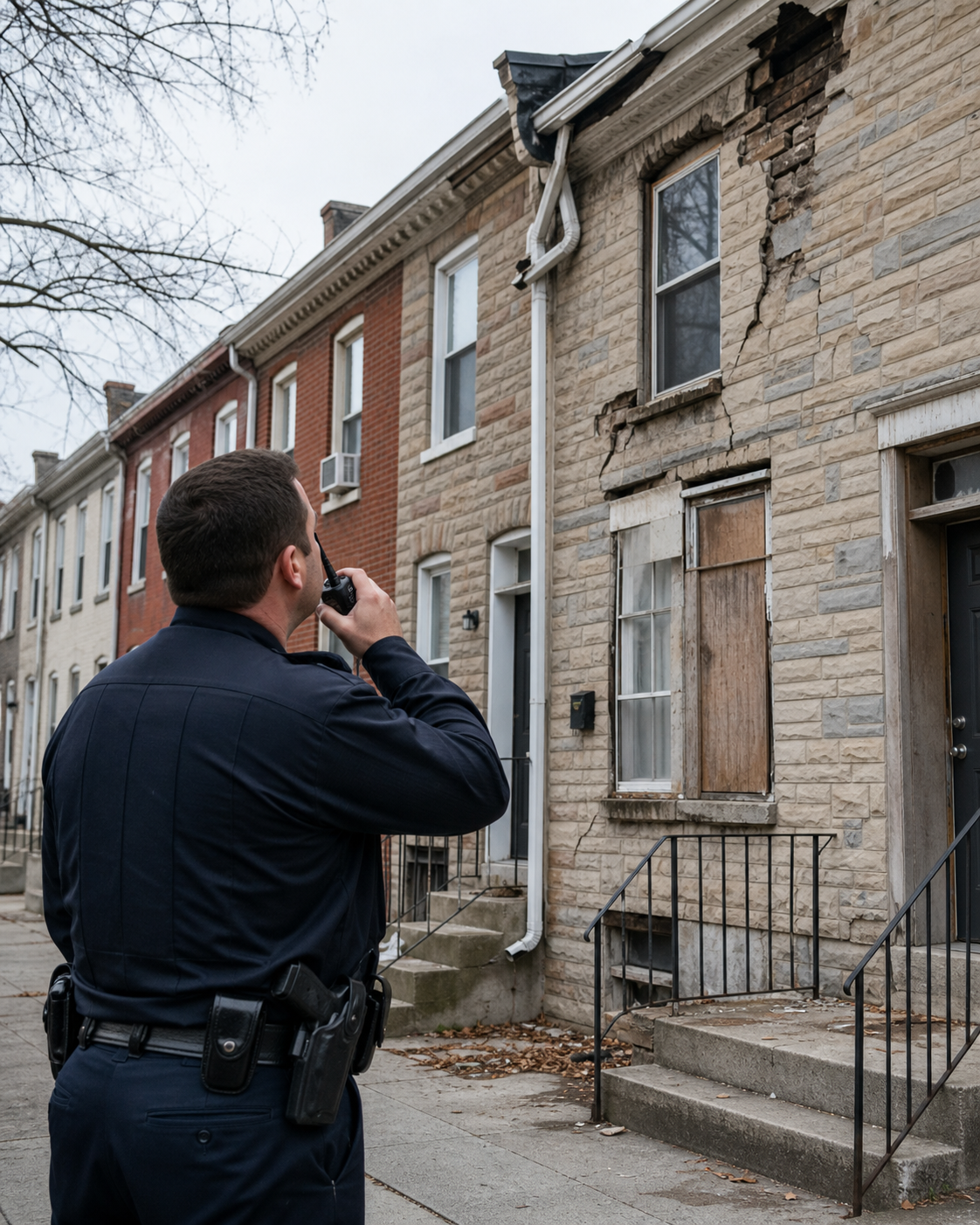
- Unsecured entrance: Secure the door when safe, determine why it was open, notify the designated contact, and document the condition.
- Unauthorized person: Maintain a safe position, follow the property’s access policy, request assistance when necessary, and record objective facts.
- Blocked emergency exit: Protect the area, notify building management immediately, and document when the obstruction was removed.
- Water leak or unusual odor: Identify the affected location without entering a hazardous area, notify engineering or management, and escalate if conditions threaten occupants.
- Alarm or equipment failure: Confirm the displayed location, follow the appropriate notification sequence, preserve relevant records, and remain available for responding personnel.
- Suspicious package or activity: Avoid unnecessary contact, establish a safe distance, notify supervision or emergency services according to procedure, and protect available evidence.
These instructions should be tailored to the building. A residential lobby, commercial office tower, construction site, hotel, and school will not always require the same response.
Officers should not have to invent an escalation decision during an incident. Procedures can separate routine conditions, developing situations, urgent threats, and full emergencies. Each level should identify immediate actions, notification requirements, documentation, and who assumes authority.
Define When an Officer Should Intervene
Some conditions can be corrected immediately, such as closing an unsecured door when it is safe to do so. Others require the officer to maintain distance, protect the area, contact a supervisor, or call emergency services. Post orders should distinguish observation, intervention, and escalation.
Make Notification Instructions Specific
“Notify management” is not enough. Procedures should identify the primary contact, backup contact, after-hours number, emergency services, and client representatives who must be informed. Officers should know what facts to communicate and which details must be documented.
Preserve Useful Evidence
Patrol and incident records should include time, location, people involved, observed facts, actions, notifications, and outcome. Photos, access-control activity, camera references, witness details, and damaged-property information should be preserved when relevant.
Close the Loop With Corrective Action
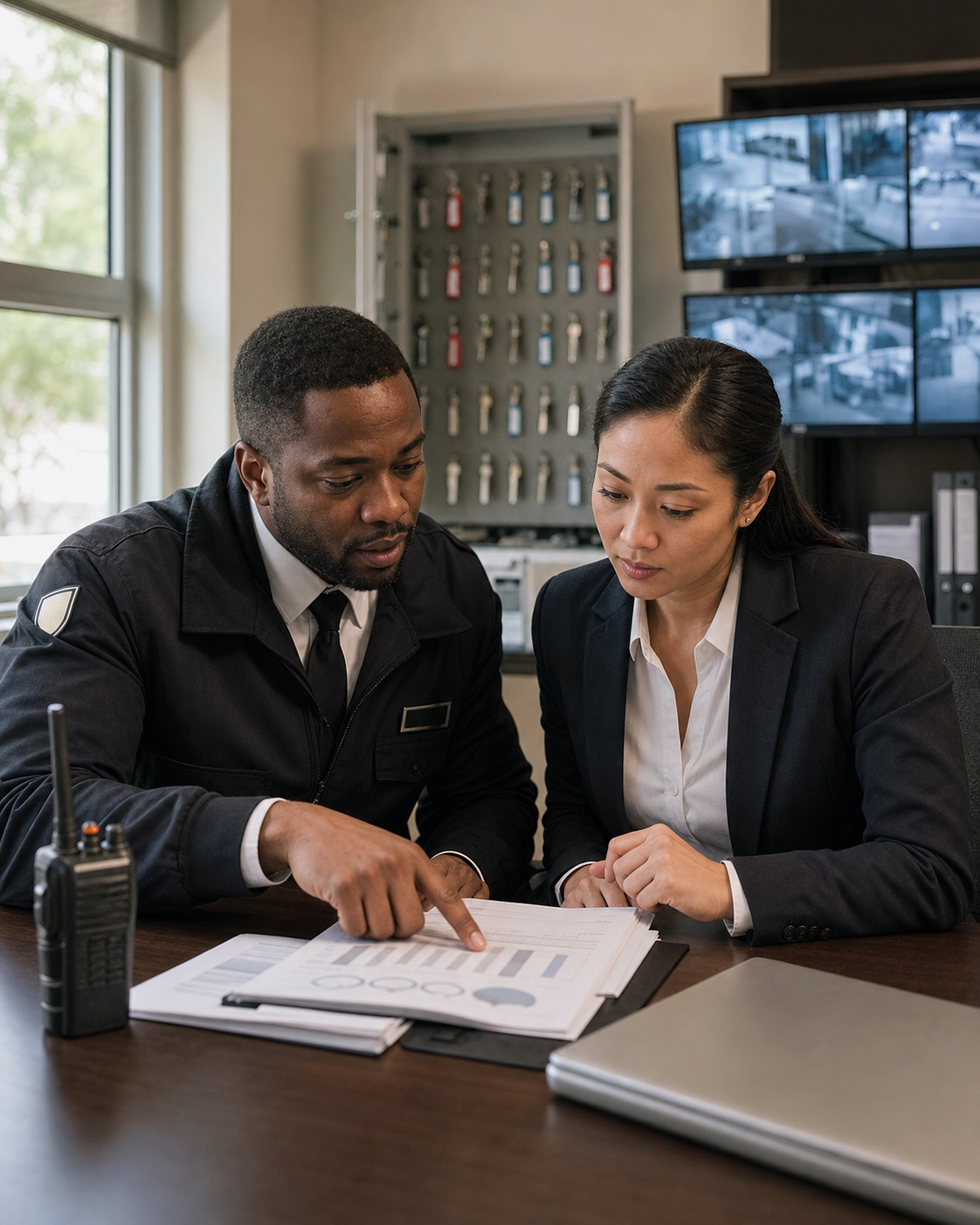
A report should not be the end of the process. Repeated door problems, lighting failures, loitering, blocked exits, or contractor violations should generate an assigned follow-up. Management should track who is responsible and whether the condition was corrected.
Test Procedures Through Realistic Scenarios
Supervisors can test readiness with short scenarios: an unauthorized person refuses to leave, a stairwell smells like smoke, water enters a mechanical room, or an employee collapses in the lobby. The goal is to confirm that the officer understands priorities and communications.
Build One Accountable System
Effective security guard services combine patrols, response procedures, reporting, supervision, and management review. Guardian ISI can assess an existing program or develop site-specific procedures. Call or text (212) 602-1695 or request coverage.
A patrol-to-resolution routine
- Observe and record the condition from a safe position.
- Follow the assigned response and notify the appropriate contact.
- Assign any unresolved correction to a responsible person.
- Confirm the outcome at the next review and update instructions when needed.
Frequently asked questions
How often should security patrols occur?
Frequency should reflect the property, activity, risks, post duties, and objectives.
Should patrol times be randomized?
They can be, while maintaining clear minimum frequency and priority areas.
What belongs in a response procedure?
Actions, safety limits, escalation, contacts, emergency notifications, and reporting.
Who reviews recurring findings?
Security supervision and property management.