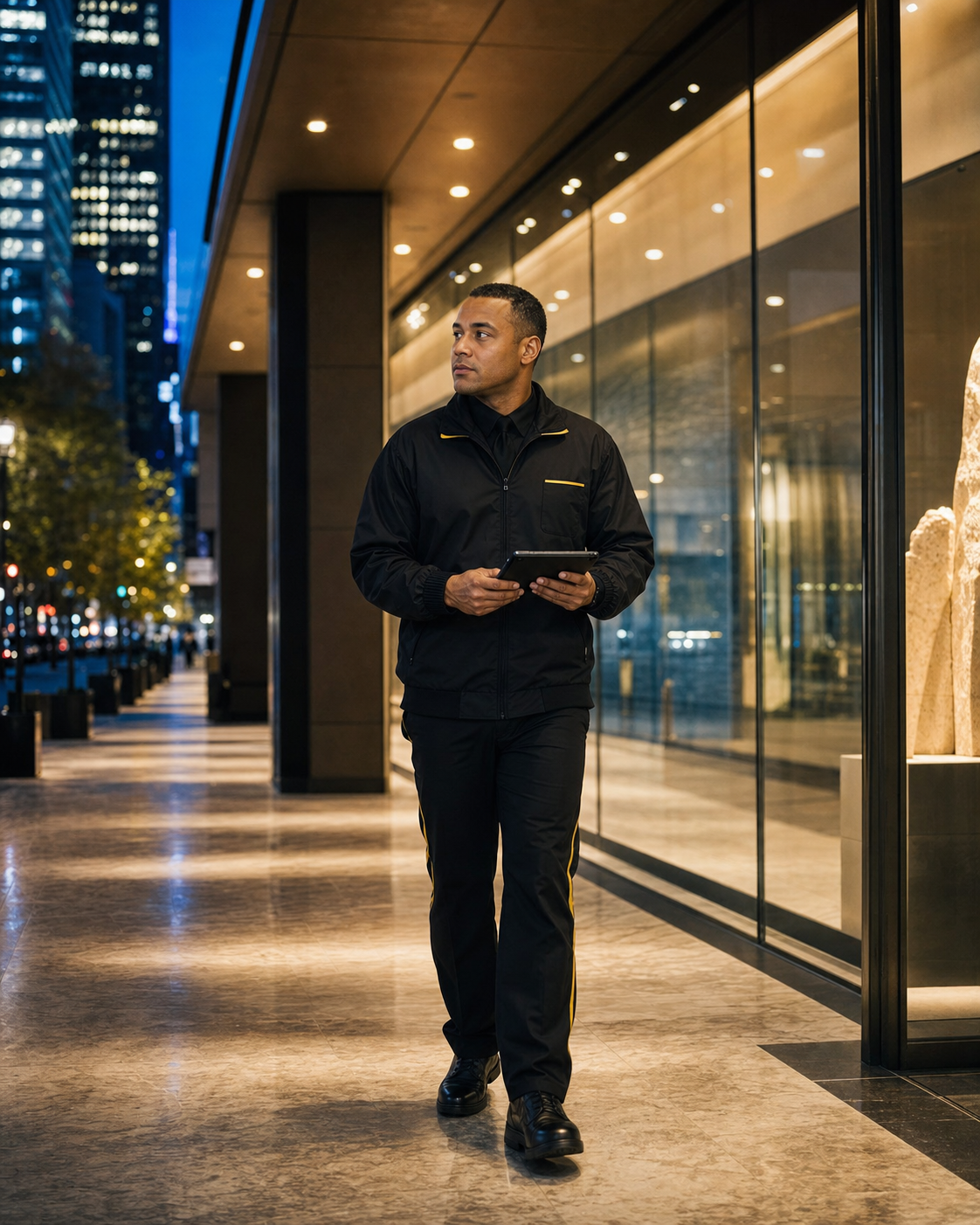
A patrol is only valuable when the officer knows what to inspect and what to do after discovering a problem. For New York properties, security patrols and response procedures should operate as one connected system.
Define the Purpose of Every Patrol Area
Routes may include entrances, emergency exits, stairwells, loading docks, garages, vacant floors, rooftops, utility spaces, and the exterior perimeter. Post orders should explain the condition being verified at each point—not merely list a location.
Combine Minimum Frequency With Unpredictability
Management needs assurance that critical areas are checked often enough. Randomized timing also reduces predictability. Electronic records or clear written logs can preserve accountability without forcing every patrol to occur at the same minute.
Establish Response Levels
An unlocked office door, active water leak, aggressive visitor, medical emergency, and visible weapon require different actions. Procedures should define when officers may correct a condition, when a supervisor or manager must be called, and when 911 is required.

Protect the Scene and the People
Officers should avoid entering potentially dangerous areas blindly. Depending on the situation, the appropriate action may include maintaining observation, restricting access, moving occupants away, preserving video, calling emergency services, and waiting for qualified responders.
Notifications Need an Order
Contact lists should state who receives immediate notice, who receives a later report, and what happens when the first contact does not answer. The information should be reviewed regularly so officers are not relying on outdated names or numbers.
Reports Must Close the Loop
The report should identify the condition, exact location, time discovered, actions taken, people notified, and final disposition. An unresolved condition should remain visible until ownership is assigned and management confirms follow-up.
Supervisors Should Review Patterns
Repeated door alarms, lighting failures, loitering, or contractor violations may reveal a larger weakness. Trend review turns patrol activity into management intelligence.
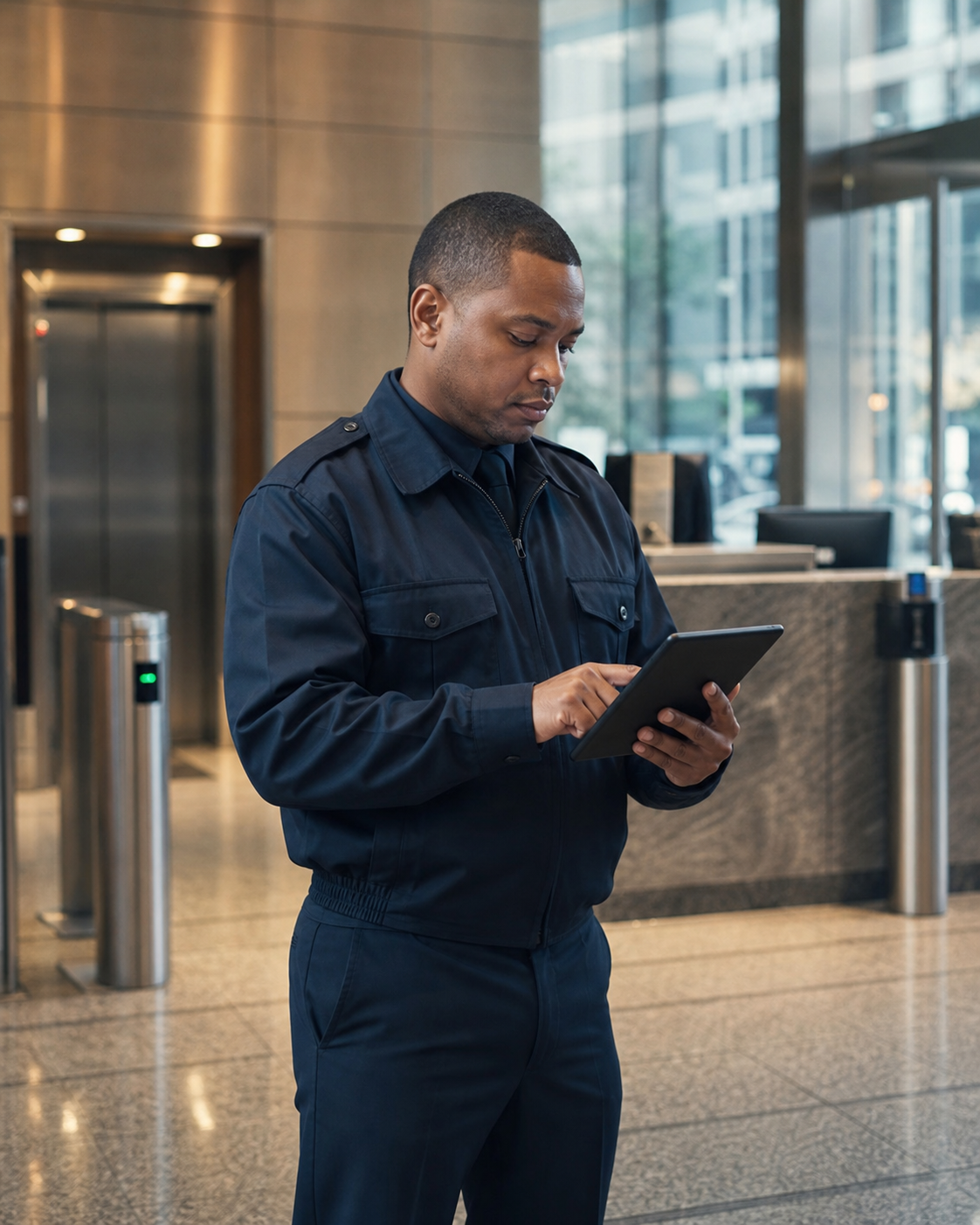
Guardian ISI develops site-specific patrol and response programs for New York properties. Call or text (212) 602-1695 or request coverage.
A simple patrol response sequence
- Observe the condition from a safe position.
- Follow post orders and request appropriate help; call 911 promptly for immediate danger.
- Document the facts, actions, and notifications.
- Assign unresolved work and confirm its disposition during follow-up.
Supervisor review checklist
- Confirm current contacts and post instructions.
- Review unresolved incidents and access exceptions.
- Verify relief arrangements and communication equipment.
- Record corrective actions and the person responsible for follow-up.
Frequently asked questions
Does every New York property need the same security plan?
No. Coverage, patrols, and response procedures should reflect the property's actual activity, vulnerabilities, hours, and responsibilities.
How often should security procedures be reviewed?
At least annually and whenever the property, tenant mix, operating hours, staffing, or risk conditions change.
What makes a security program accountable?
Clear post orders, documented patrols, defined escalation rules, supervisor review, and regular communication with the client.
How can Guardian ISI help?
Guardian can assess the property, recommend coverage, provide trained personnel, develop procedures, and maintain management communication.