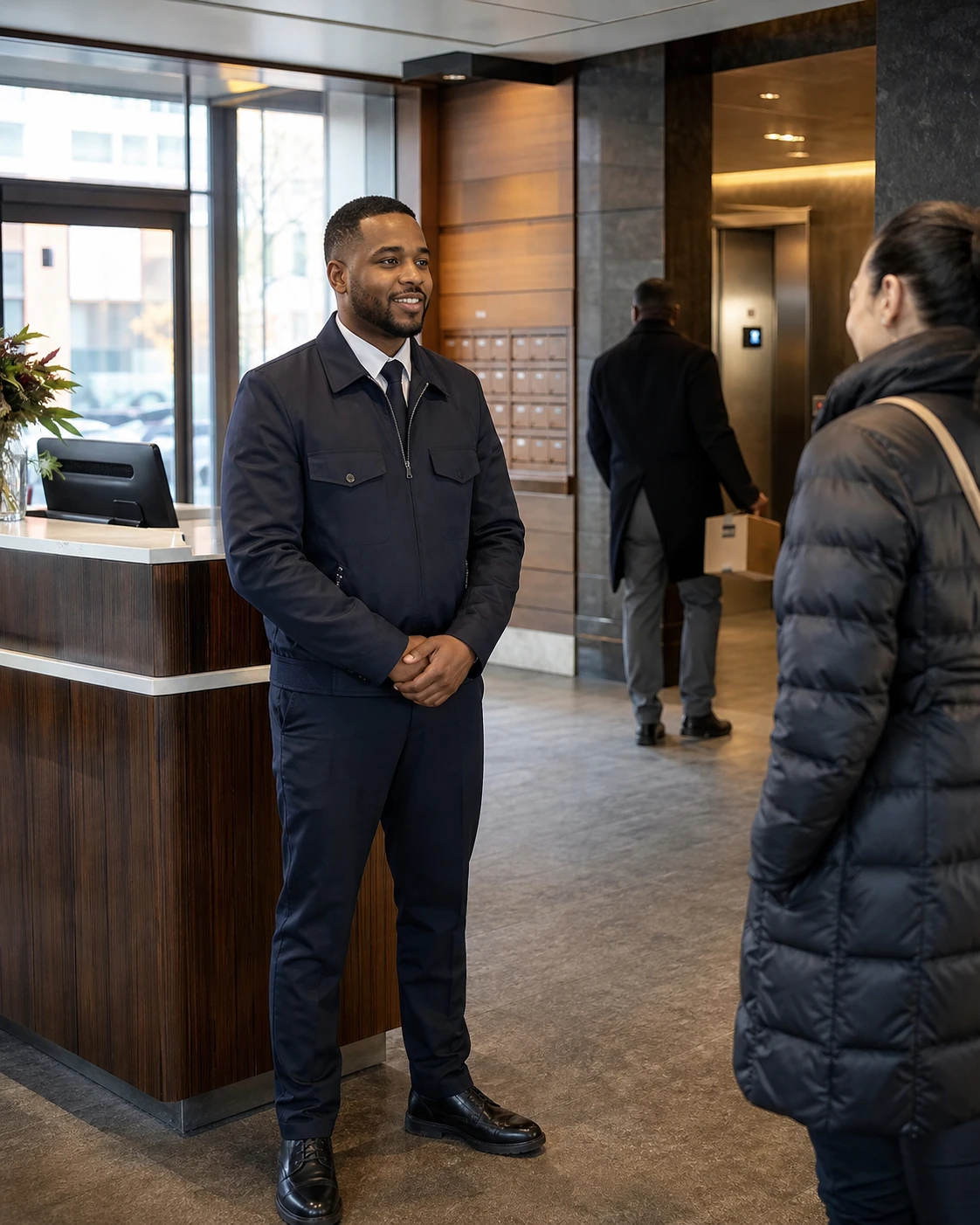
Upper Manhattan includes residential communities, schools, medical facilities, houses of worship, retail corridors, offices, construction sites, and cultural institutions. A useful guard program should reflect the property’s actual environment instead of applying the same post orders everywhere.
Identify the Reason for Coverage
Before choosing hours or staffing, define what the officer is expected to accomplish. Common goals include controlling access, improving lobby presence, supporting residents or employees, monitoring deliveries, preventing trespassing, documenting incidents, conducting patrols, or providing temporary coverage.
Match Coverage Hours to Activity
The highest-risk period may not be overnight. Some properties experience the greatest pressure during school dismissal, evening events, shift changes, weekend activity, package delivery windows, or contractor work.
Establish Clear Access Rules
Officers need written direction for residents, visitors, vendors, home-care workers, food deliveries, contractors, and emergency personnel. Management must define who can authorize exceptions and how those exceptions are recorded.
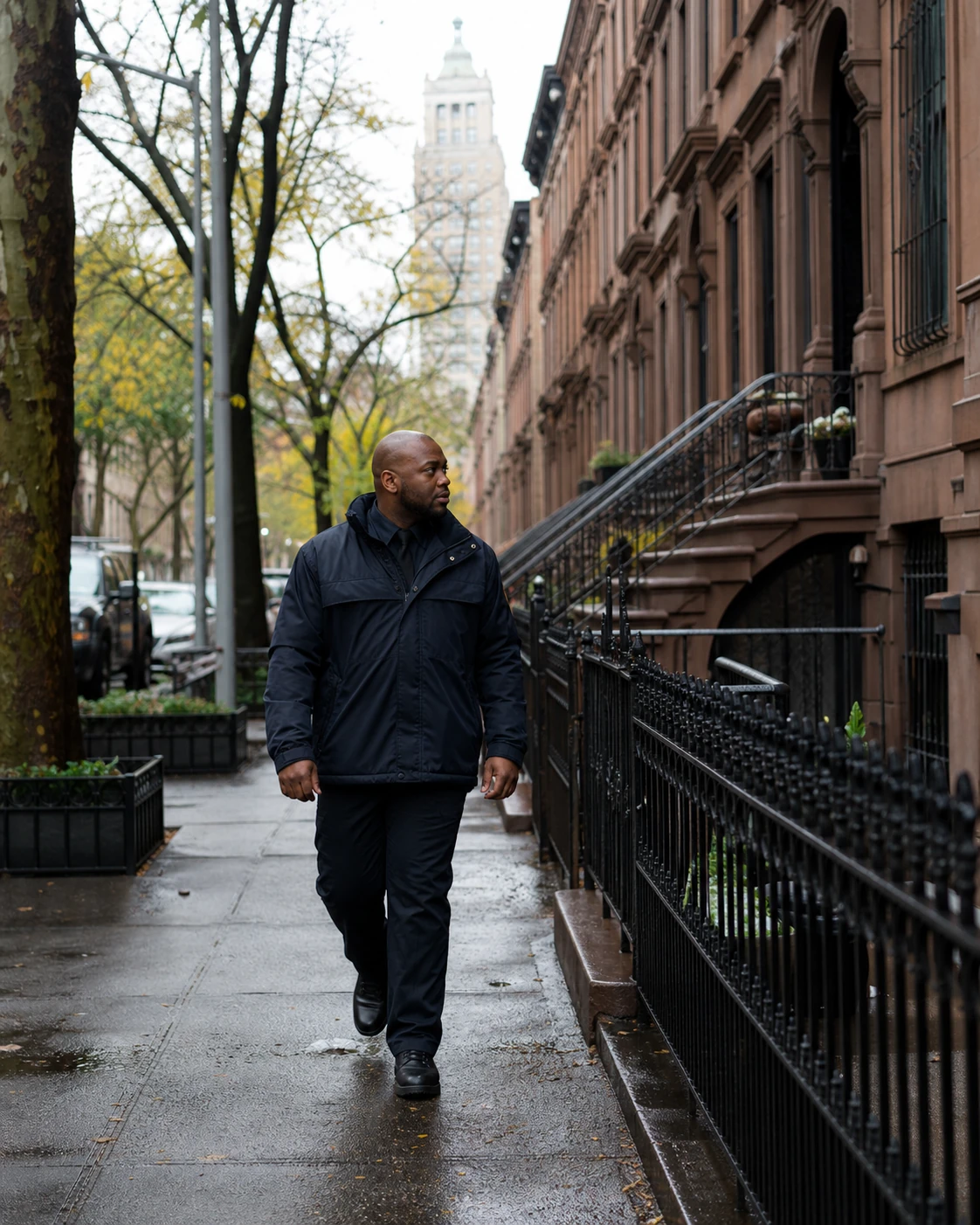
Include Interior and Exterior Patrols
Depending on the property, patrols may cover the lobby, stairwells, elevators, community rooms, laundry areas, garages, rooftops, courtyards, sidewalk frontage, and nearby entrances.
Prepare for Community-Facing Situations
Security personnel may encounter people seeking assistance, individuals experiencing a crisis, neighborhood disputes, or visitors unfamiliar with the property. Training should emphasize calm communication, de-escalation, respectful enforcement of rules, and timely requests for emergency support.
Supervision Protects Service Quality
Unannounced supervisor visits, report review, post-order testing, uniform inspections, and attendance verification help maintain consistent performance. Property managers should know who to contact when service problems arise.
Require Useful Reports
Daily reports should summarize patrols, unusual activity, deliveries or contractor issues, building conditions, and management notifications. Incident reports should provide complete facts and actions.
Choose a Provider That Understands New York Operations
Licensing, training, scheduling, relief coverage, supervision, and local responsiveness affect reliability. Guardian security guard services support Upper Manhattan properties with site-specific planning. Call or text (212) 602-1695 or request coverage.
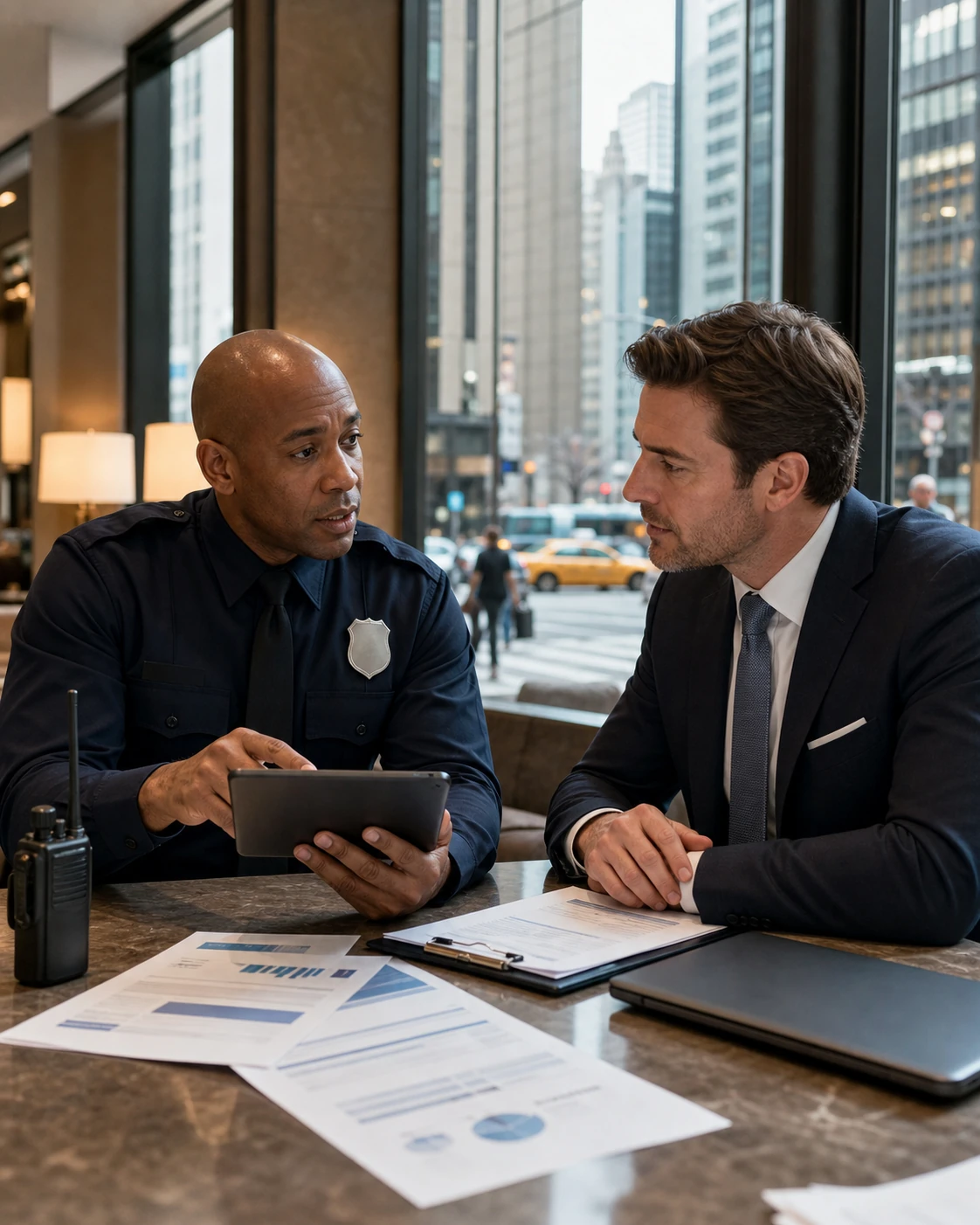
Put the plan into practice
| Review point | What to confirm |
|---|---|
| Assignment scope | Hours, entrances, patrol areas, and tasks that overlap |
| Officer support | Current instructions, working equipment, relief, and supervision |
| Management review | Incident patterns, service concerns, and corrective actions |
Related Guardian services
Review Security Guard Services and Residential Security to connect these procedures with the appropriate staffing and site responsibilities.
Frequently asked questions
How many hours of guard coverage does a property need?
Coverage should be based on activity patterns, duties, incident history, access points, and management goals.
Can one officer handle the lobby and patrols?
It depends on visitor volume, building size, patrol frequency, and whether leaving the desk creates an access-control gap.
What should a property manager expect from supervision?
Attendance verification, report review, post inspections, officer coaching, and documented corrective action.
Can temporary coverage become permanent?
Yes. Management can evaluate results and decide whether continuing, adjusting, or ending coverage best fits the property.