

Hiring a security guard service in New York City is not simply purchasing an officer for a certain number of hours. A reliable program combines qualified personnel, clear post orders, supervision, relief coverage, patrols, reporting, and direct communication with the client.
The Post Must Be Designed Around the Property
A hotel, office tower, residential building, retail store, construction project, and house of worship do not have the same risks. Before coverage begins, the provider should understand the entrances, operating hours, tenant or visitor activity, restricted areas, emergency contacts, and management priorities.
Officers Need Clear, Site-Specific Instructions
Post orders should explain access control, visitor procedures, patrol requirements, emergency notifications, key control, deliveries, prohibited activity, incident reporting, and escalation. Generic instructions force officers to improvise when consistency matters most.
Professional Presence Is Part of the Service
Officers are often the first people employees, residents, clients, and vendors encounter. Appearance, attentiveness, courtesy, communication, and calm decision-making affect both security and the property's reputation.
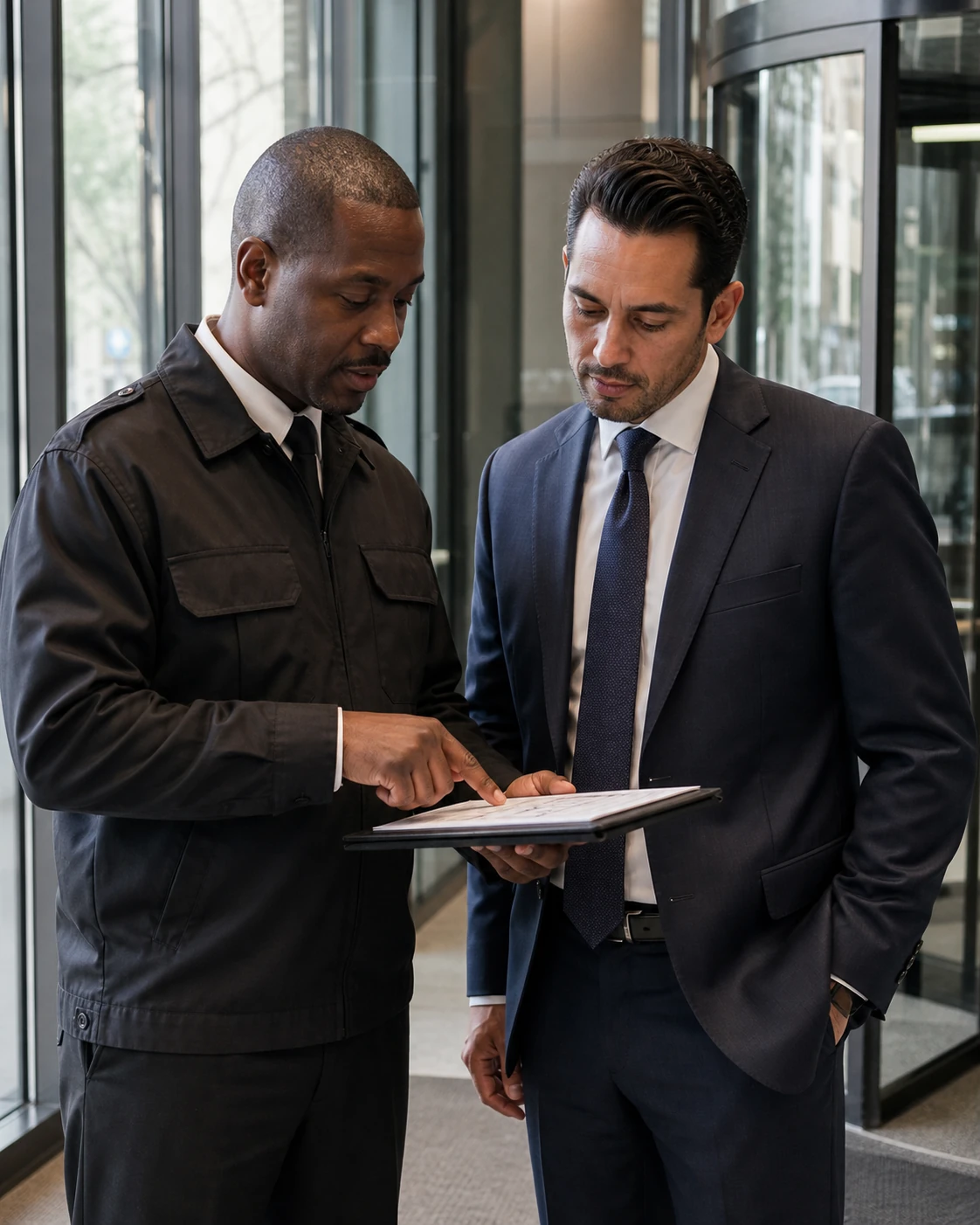
Patrols Must Lead to Action
A patrol should verify doors, exits, stairwells, loading areas, vacant spaces, and other assigned locations. When an officer finds a problem, the response procedure must explain what to correct, whom to notify, whether photographs or video should be preserved, and how the condition will be documented.
Supervision Cannot Be Invisible
Management should know who supervises the account, how frequently the post is visited, how performance is evaluated, and how concerns are corrected. Field supervision confirms that the officer is present, prepared, properly equipped, and following the client's procedures.
Reliable Relief Coverage Matters
An uncovered post can expose the property at exactly the wrong time. Providers should maintain relief capacity, track lateness and callouts, and notify the client promptly when an unexpected staffing issue occurs.
Reports Should Help Management Decide
Daily activity and incident reports should provide useful facts—not repetitive filler. Strong reporting allows management to identify recurring access problems, maintenance conditions, visitor conflicts, theft patterns, and training needs.
Choose Accountability, Not Just a Low Hourly Rate
The lowest price can become expensive when it produces missed shifts, poor documentation, high turnover, or weak supervision. Evaluate the complete operating system behind the officer.
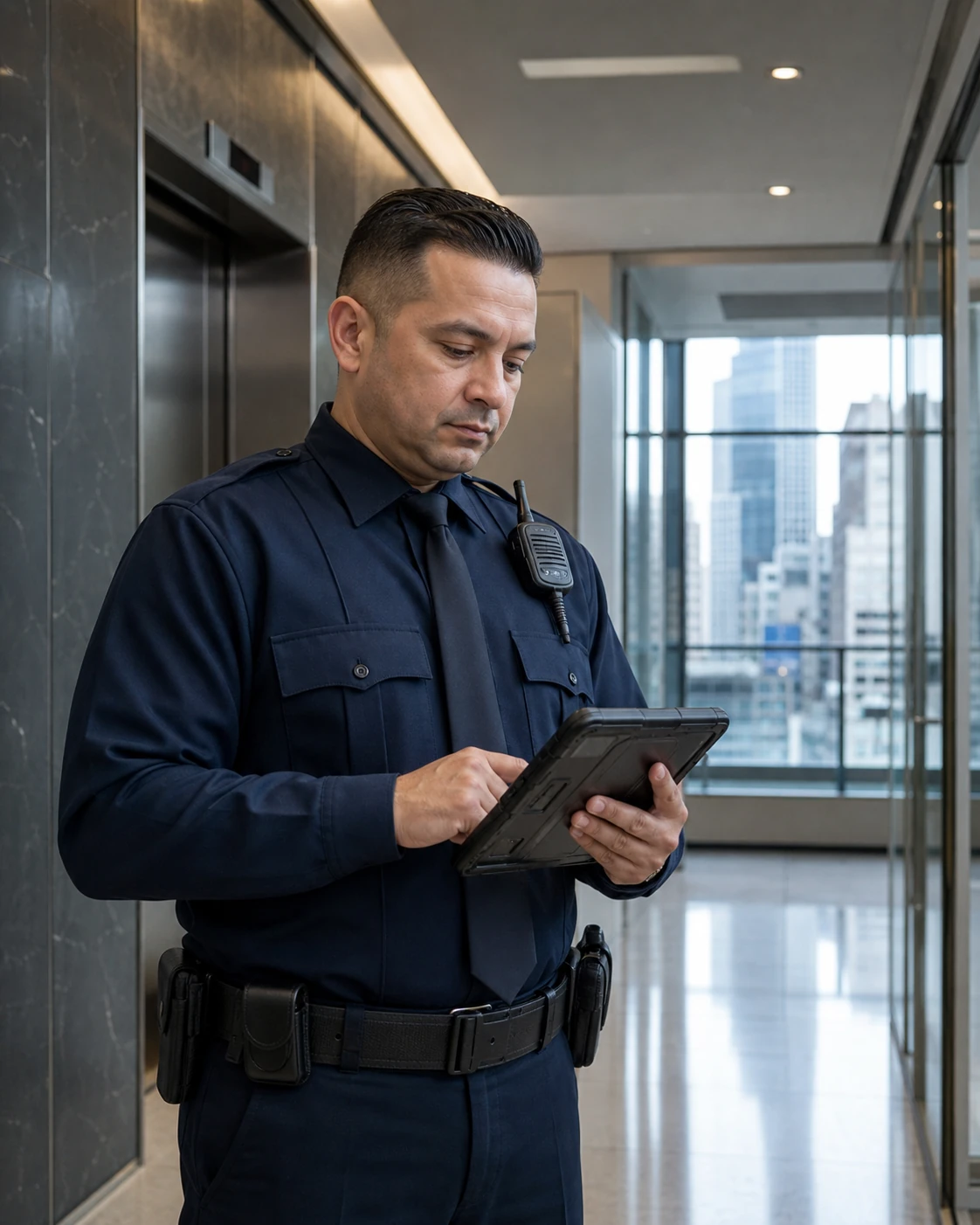
Guardian ISI provides site-specific security guard services throughout New York City. Call or text (212) 602-1695 or request coverage.
A practical review checklist
| Review point | What to confirm |
|---|---|
| Before coverage | Site scope, responsibilities, qualifications, and orientation |
| During coverage | Supervision, patrol exceptions, relief, and communication |
| During review | Recurring issues, corrective actions, and changing site needs |
Related Guardian services
Explore Security Guard Services for the ongoing program and Emergency Security Coverage for temporary staffing gaps.
Official references
Frequently asked questions
How quickly can guard coverage begin?
Timing depends on the location, hours, qualifications, and scope. Emergency needs should be discussed directly with the provider.
Should officers receive site-specific training?
Yes. Officers should understand the property's post orders, layout, contacts, and priority procedures before working independently.
What reports should a client receive?
Clients may receive daily activity reports, incident reports, patrol documentation, and supervisory follow-up appropriate to the assignment.
Can one officer cover multiple entrances?
Sometimes, but only after evaluating sightlines, traffic, patrol duties, and the possibility of simultaneous activity.