
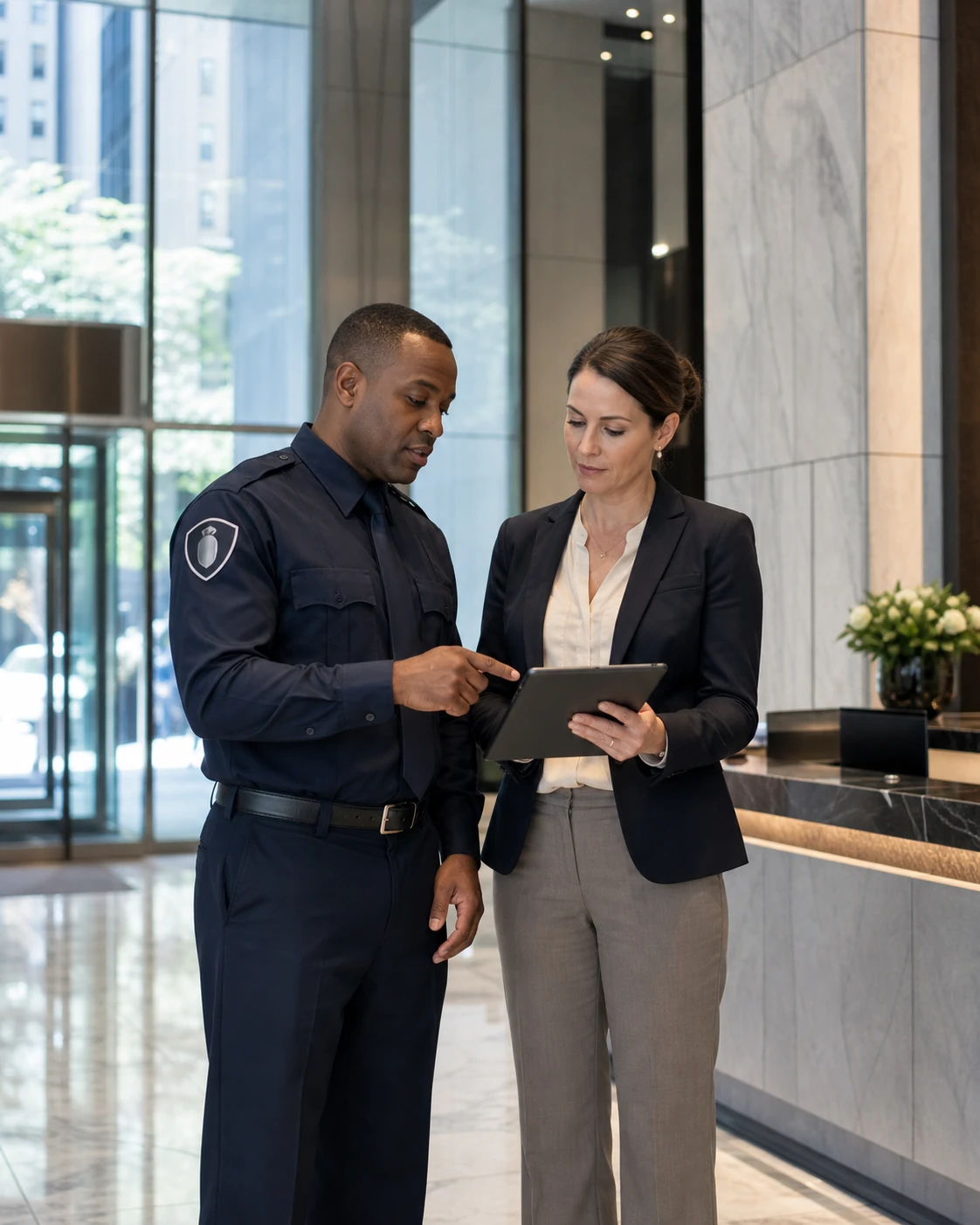
A supervisor can visit a New York City property every day and still produce little improvement if observations are never assigned, tracked, and closed.
The value of hands-on security supervision is not the visit itself. It is the operating loop created afterward: identify a condition, take temporary action, notify the right person, assign a permanent correction, verify completion, and update officers before the next shift.
For Manhattan property leaders, this process provides a clearer view of whether the security program is adapting to actual building conditions.
A Site Visit Should Answer More Than “Is the Guard Present?”
Attendance matters, but a useful supervisory visit should also examine how the post is functioning.
The supervisor should consider:
- Does the officer understand current post orders?
- Are access-control exceptions being handled consistently?
- Are patrol routes physically accessible and relevant?
- Does the officer have working communication equipment?
- Are logs specific enough to support management decisions?
- Have temporary instructions remained in place longer than intended?
- Is another department creating conditions security has been asked to manage informally?
The purpose is not to search for minor faults. It is to identify barriers that prevent the officer from performing the assignment properly.
Classify Findings by Urgency
Not every observation deserves the same escalation.
Immediate safety or access condition
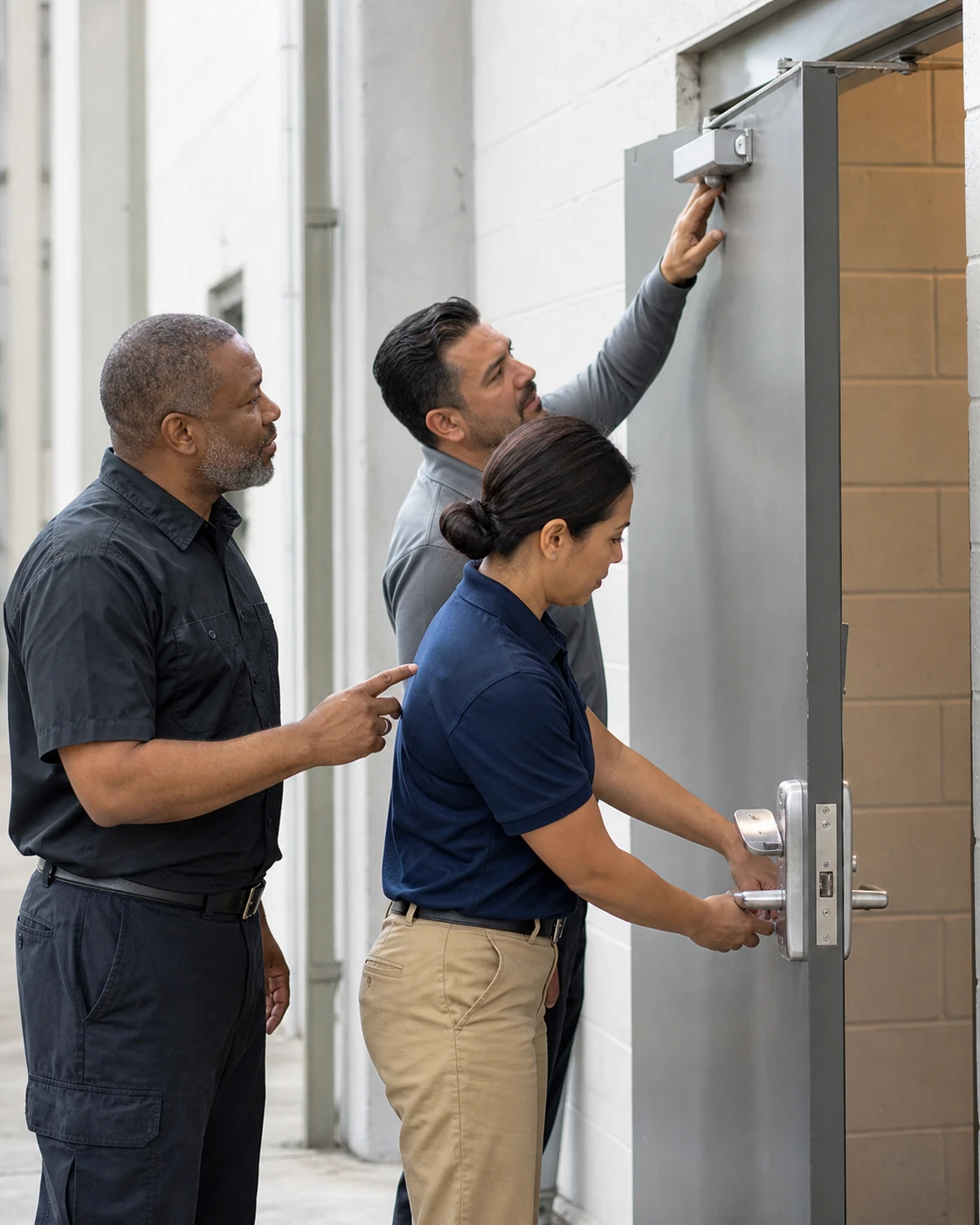
Examples include an unsecured exterior door, failed radio, blocked patrol route, missing post coverage, or instruction that creates an obvious safety concern. The supervisor should initiate temporary controls and notify the appropriate client contact promptly.
Operational correction
This category may include unclear visitor procedures, incomplete reports, inconsistent delivery handling, or confusion about contractor access. These issues need ownership and a reasonable completion deadline.
Improvement opportunity
Some findings are not failures. A supervisor may identify a better checkpoint location, a simpler reporting field, or a way to reduce repeated lobby calls. These can be discussed during the next program review rather than treated as incidents.
Classification helps property managers focus on the items that need immediate decisions without losing longer-term improvements.
Give Every Corrective Action an Owner
“Management notified” is not a completion standard.
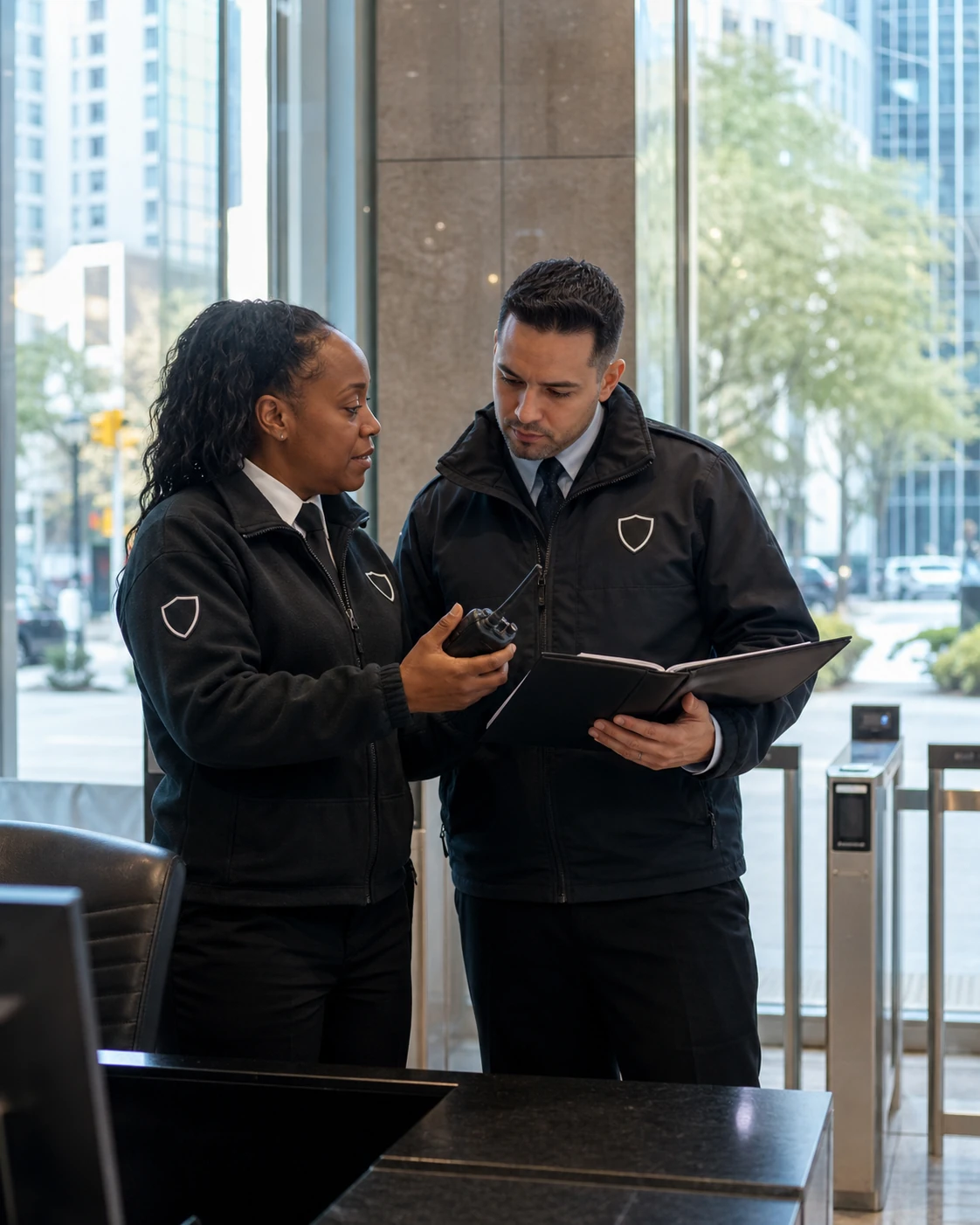
Each item should identify:
- The observed condition
- The temporary response
- The person or department responsible for the permanent correction
- The due date or next review time
- The evidence needed to verify completion
Ownership may sit with the security company, property management, engineering, a tenant, a technology vendor, or a contractor. Security supervision should not claim authority over another department, but it should clearly document dependencies affecting the guard program.
Communicate Changes Before the Next Shift
A correction is incomplete if the next officer does not know about it.
Suppose a supervisor learns that a tenant has changed its freight-delivery schedule. Updating management is only one step. The affected lobby, loading-dock, and patrol personnel also need a controlled instruction explaining when the change begins, who authorized it, and whether it is temporary or permanent.
Use a communication method that creates acknowledgment. Depending on the site, that may include:
- Updated post orders
- A supervisor briefing
- An electronic read-and-acknowledge notice
- A shift-handoff entry
- A temporary directive with an expiration date
Avoid relying on a message passed verbally from one officer to another over several shifts.
Verify Correction in the Field
Closing an item should require more than receiving an email saying it was handled.
The next supervisory visit can confirm whether:
- The door now secures properly
- The replacement radio works throughout the patrol route
- Officers are using the revised visitor procedure
- A relocated checkpoint captures the intended area
- A temporary contractor list was removed when the project ended
- Reports now contain the missing operational details
Field verification is especially important when the correction changes officer behavior rather than repairing a physical item.
Use Recurring Issues to Improve the Program
One unclear instruction may be a local mistake. The same problem at several properties may signal a broader weakness in training, forms, supervision, or client onboarding.
Review corrective-action data for patterns such as:
- Frequent missing or expired access lists
- Repeated late relief
- Similar report-writing deficiencies
- Radio dead zones
- Post orders that do not match building operations
- Contractor activity beginning without security notification
- Issues repeatedly marked complete and later reopened
The aim is not to produce a ranking of failures. It is to correct the source of recurring problems instead of addressing each occurrence separately.
Set a Practical Communication Rhythm
Continuous client communication does not mean sending a message for every ordinary patrol observation. It means delivering the right information at the right level.
A workable structure may include:
- Immediate calls for urgent conditions
- Same-shift messages for significant operational changes
- Daily summaries of open and closed actions
- Weekly reviews of recurring issues
- Monthly discussions about staffing, procedures, and property changes
Clients should also know who to contact when an issue cannot wait for the next scheduled review.
Measure Closure, Not Just Activity
Common security metrics count hours, patrols, incidents, or site visits. Add measures showing whether the program learns and improves:
- Percentage of urgent items receiving same-shift action
- Number of overdue corrective actions
- Average time to close operational issues
- Percentage of changed instructions acknowledged by affected officers
- Number of recurring items reopened after closure
These measurements help distinguish visible supervision from effective management.
Turn Daily Attention Into Better Security
Hands-on security supervision creates value when site observations lead to documented decisions and verified improvements. That requires disciplined supervision and open communication between officers, supervisors, property managers, tenants, and building departments.
Guardian ISI provides active site supervision, ongoing client communication, and practical corrective-action follow-through for NYC properties. Call or text (212) 602-1695 or request coverage.
Related Guardian services
Connect corrective-action reporting to Security Guard Services and the daily post responsibilities of Commercial Office Security.
Frequently asked questions
What is a security corrective action?
It is a documented step taken to resolve an observed staffing, procedural, equipment, access, reporting, or site condition affecting the security program.
Who should own corrective actions?
Assign each action to the party with authority to complete it, such as security operations, property management, engineering, a tenant, or a vendor.
How should urgent findings be communicated?
Use immediate direct communication with the appropriate client and operations contacts, document the temporary action, and establish the next required update.
How can property managers tell whether site visits are effective?
Review whether observations result in assigned actions, officer updates, field verification, timely closure, and fewer recurring problems.