
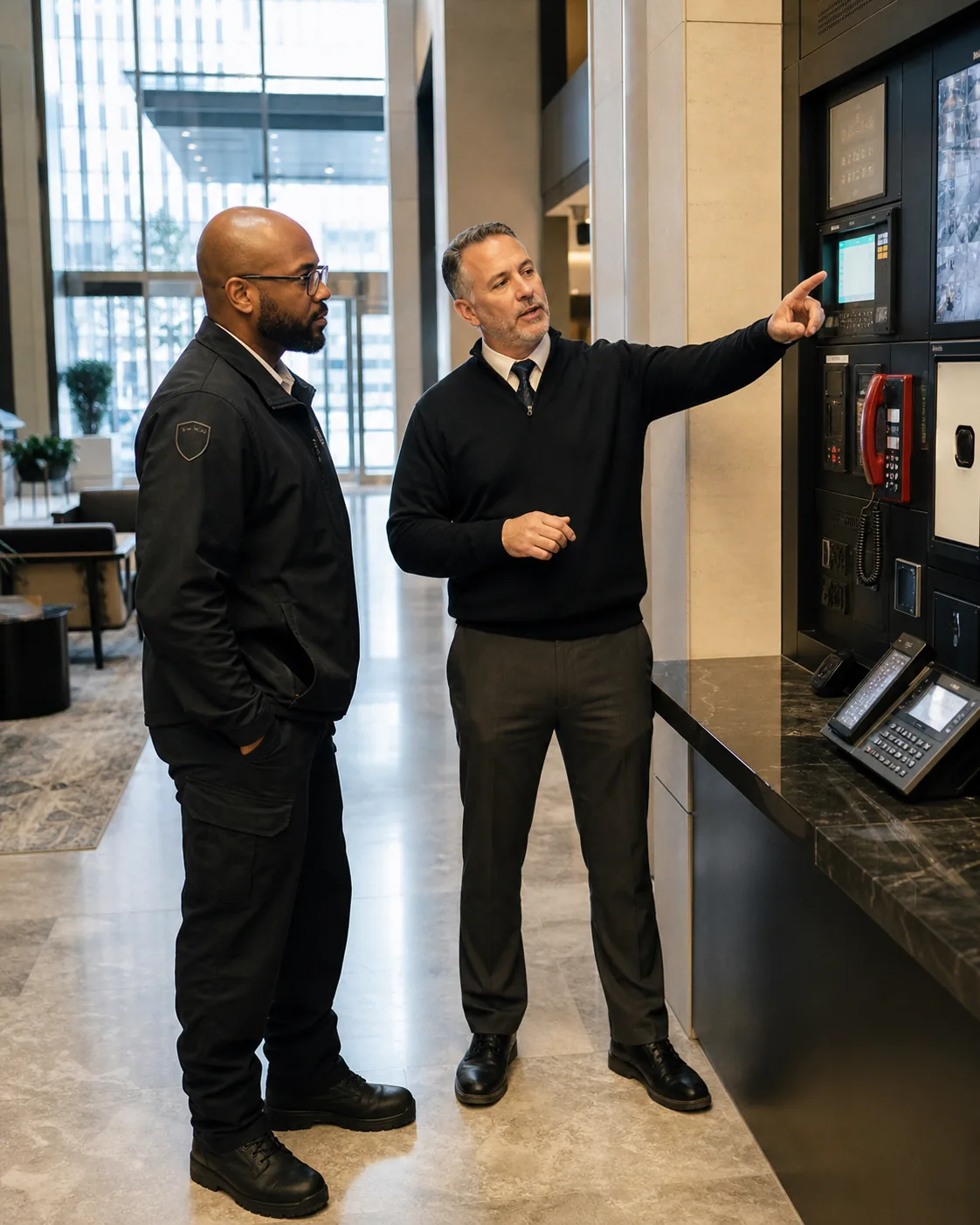
A Fire and Life Safety Director covering only one or two shifts may have the necessary qualifications but still be unfamiliar with the building’s layout, systems, personnel, and daily routines. In a Manhattan high-rise, hotel, or commercial property, that local knowledge can be essential to an orderly response.
FDNY states that an F-89 Certificate of Fitness is specific to its holder and location. Confirm the credentials and approvals applicable to the proposed relief assignment before scheduling coverage. Property managers should not expect a relief FLSD to learn the site while handling an incident. A structured handoff, concise reference materials, and a guided building tour can help the covering professional become operational more quickly. The following checklist can be adapted to the property’s approved plans, procedures, and current conditions.
Prepare a site-specific relief packet
Create a compact packet that gives the covering FLSD the information needed during the shift. Keep it at the designated command location and review it whenever building systems, contacts, or procedures change.
A useful packet may include:
- The property address, building name, and relevant entrance information
- Current emergency contacts and escalation procedures
- A clear list of building management, engineering, security, and maintenance personnel on duty
- Relevant approved fire and life safety plans and site procedures
- A floor directory and simplified building map
- Locations of stairs, elevators, mechanical areas, utility controls, and assembly areas
- Instructions for accessing keys, radios, public-address equipment, and other assigned resources
- Current system impairments, construction activity, or out-of-service areas
- The expected schedule of contractors, deliveries, events, and after-hours occupants
- Required logs and instructions for completing them
Avoid filling the packet with outdated binders or information that does not apply to the shift. A short, current quick-reference section should point the FLSD to the complete plans and records when more detail is needed.
Conduct an in-person handoff
Whenever possible, overlap the outgoing FLSD or building representative with the relief professional. Even a focused handoff is more useful than simply leaving keys and a telephone number.
Review current building conditions
Discuss conditions that could affect the shift, including:
- Fire alarm, sprinkler, standpipe, elevator, or communication-system issues
- Active testing, maintenance, or scheduled shutdowns
- Temporary barriers and changes to normal circulation
- Construction zones and contractor access
- Unusual occupancy, events, or tenant activity
- Open incidents or unresolved items from the previous shift
The relief FLSD should know what is normal for the property and what currently requires attention. Significant conditions should be documented through the property’s established reporting and escalation process.
Confirm authority and escalation paths
Identify who the covering FLSD should contact for operational questions, system problems, staffing issues, and emergencies. Include primary and backup contacts. The handoff should also clarify which decisions can be made on site and which require management, engineering, or another authorized party.
Walk the critical areas
A short orientation tour should prioritize locations the relief FLSD may need to reach or direct others toward. The route will vary by property, but it may cover:

- The designated command or fire alarm control location
- Main and service entrances
- Required stairways and reentry points
- Elevator banks and recall locations
- Fire pump, sprinkler, standpipe, and utility areas relevant to the assignment
- Areas of refuge or other features identified in the property’s approved plan
- Assembly areas and evacuation routes
- Loading docks, garages, roofs, mechanical floors, and construction zones when applicable
The tour should be based on the building’s actual procedures—not a generic route used at every property. If access requires special keys, cards, or escorts, test those arrangements before the relief shift begins.
Orient the FLSD to building systems
A covering professional should receive a practical orientation to the equipment they are expected to monitor or use. This may include the fire alarm interface, public-address system, two-way communications, radios, phones, elevator status displays, and building management contacts.
The orientation should answer basic operational questions:
- Where do alarms and supervisory or trouble signals appear?
- How are notifications acknowledged and escalated under site procedures?
- How are announcements made, and where are approved messages located?
- Which radio channel or call signs are used?
- Who contacts service vendors or building engineers?
- How are incidents and system conditions documented?
Do not ask a short-term covering FLSD to improvise unfamiliar procedures or operate equipment outside their training, authorization, or site responsibilities. Questions should be escalated before the shift whenever possible.
Verify staffing and communication
An FLSD’s ability to coordinate a response depends on knowing who is present and how to reach them. Provide an accurate shift roster covering security, lobby personnel, engineers, maintenance employees, and any other staff assigned emergency duties.
At the start of the shift, consider conducting a brief radio or telephone check. Confirm that devices work in critical building areas and that the relief FLSD knows the property’s communication terminology. If the site uses separate radio channels for security, engineering, or contractors, clearly identify when each channel is used.
For properties that also need front-desk, access-control, or patrol support, coordinated commercial office security can help prevent communication gaps between life-safety and security functions.
Make occupants with specific assistance needs visible in the plan
The covering FLSD should be directed to the property’s current procedures and available information concerning occupants who may need assistance during an emergency. Handle personal information carefully and share it only through the building’s authorized process.
The orientation should explain:
- Where relevant records are maintained
- Who is assigned to provide or coordinate assistance
- How temporary conditions or visitors are addressed
- How updates are communicated during the shift
Do not rely on the relief professional to reconstruct this information during an alarm or emergency.
Use a shift-start checklist
A concise checklist promotes consistency without replacing the building’s approved plans. Depending on the property, the relief FLSD’s shift-start review may include:
- Sign in and confirm required credentials or site authorization
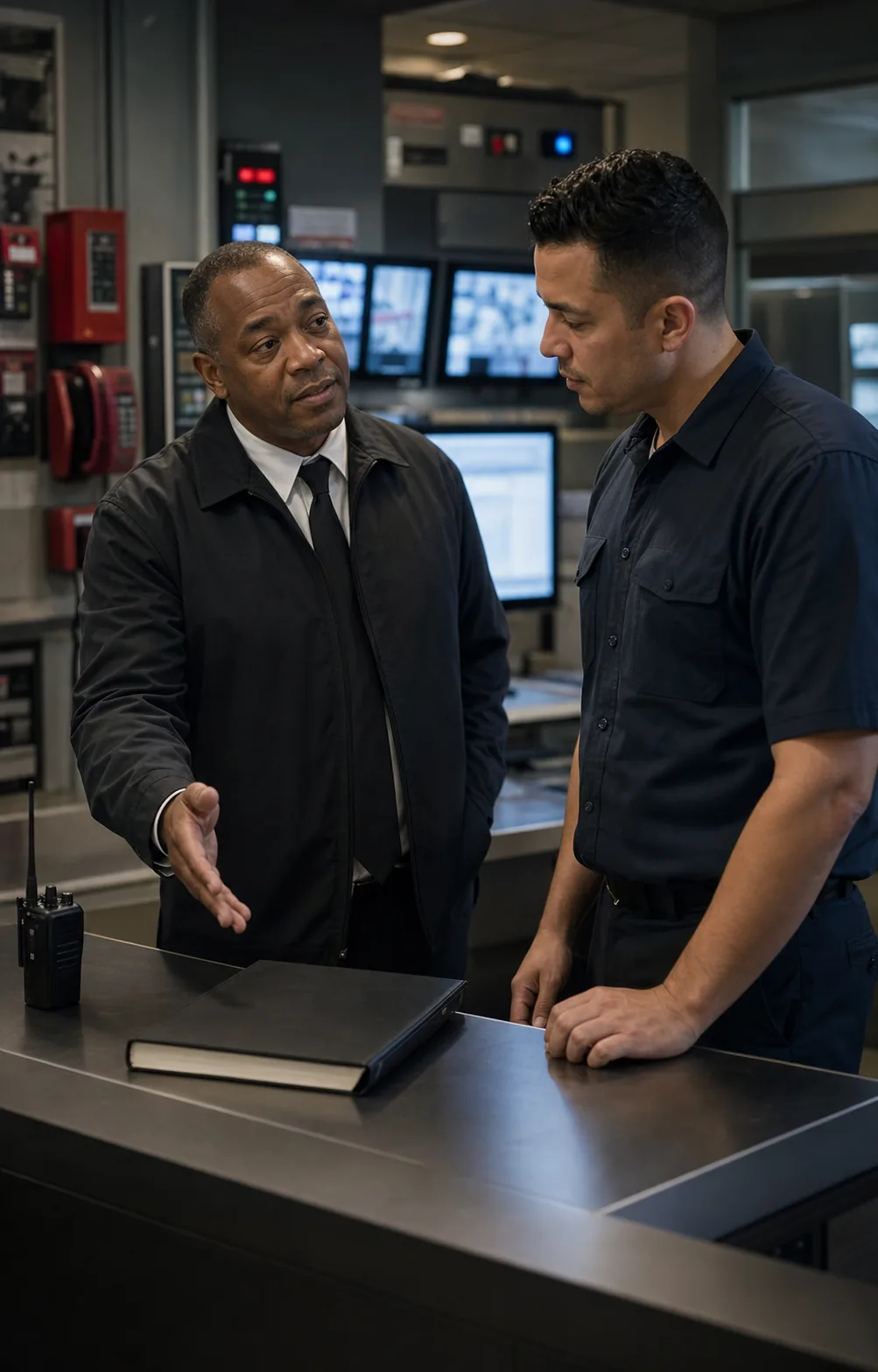
- Receive the outgoing shift briefing
- Review active impairments, work permits, and construction activity
- Confirm emergency contacts and staffing
- Check access to plans, logs, keys, radios, and communication equipment
- Review alarm-panel status through the site’s established procedure
- Walk priority areas or verify that required rounds were completed
- Confirm scheduled drills, testing, events, or high-occupancy periods
- Record relevant observations and escalate unresolved issues
Requirements differ by building and assignment. Management should confirm that the person providing coverage holds the qualifications and site-specific approvals required for the role. Current FDNY rules, the property’s approved plans, and instructions from authorized building representatives should govern the assignment.
Plan for a clean end-of-shift handoff
Short-term coverage should end with the same discipline used at the beginning. The relief FLSD should document notable alarms, trouble or supervisory conditions, contractor activity, calls, system work, and unresolved concerns according to the property’s procedures.
The incoming FLSD or manager should receive a verbal briefing when feasible. A written log alone may not communicate the urgency or context of an issue.
Common setup mistakes to avoid
Property teams can make relief coverage harder by:
- Providing obsolete contact lists or floor plans
- Failing to disclose an active system impairment
- Assuming every building uses the same alarm or communication procedures
- Giving access cards or keys without testing them
- Leaving the FLSD without an engineering or management escalation contact
- Assigning unrelated duties that interfere with the life-safety role
- Skipping the shift-end handoff because the assignment was temporary
A relief professional does not need to memorize every detail of the property. They do need reliable information, access to current plans, working communication tools, and clear support.
Arrange qualified short-term FLSD coverage
Guardian ISI can help Manhattan properties plan Fire and Life Safety Director coverage for scheduled absences, short assignments, and urgent staffing gaps. For time-sensitive needs, review our emergency coverage options.
Call or text 212-602-1695, or request coverage online. When requesting service, share the building type, location, shift hours, required qualifications, and any site-specific onboarding requirements so coverage can be evaluated efficiently.
Quick planning checklist
| Review point | What to confirm |
|---|---|
| Before coverage | Location-specific qualifications and current site information |
| At handoff | Impairments, equipment, contacts, and pending work |
| At shift end | Direct briefing and documented unresolved conditions |
Related Guardian services
Review Fire & Life Safety Directors and Emergency Security Coverage to connect these procedures with the appropriate staffing and site responsibilities.
Official references
Frequently asked questions
What should a relief FLSD receive before starting a shift?
Provide current site procedures, emergency contacts, floor and stair information, staffing details, access credentials, communication equipment, active impairment information, and a focused orientation tour.
How long should an FLSD site orientation take?
There is no single duration for every property. Allow enough time to review the command location, critical systems, routes, communications, current conditions, and escalation process without rushing.
Can a qualified FLSD work at any NYC building without site preparation?
Qualifications alone do not replace site knowledge or any building-specific approvals that may apply. Management should verify current requirements and provide an orientation based on the property’s approved plans and procedures.
What information belongs in a shift handoff?
Cover alarms or system conditions, impairments, maintenance, construction, unusual occupancy, staffing, scheduled events, open incidents, and any unresolved items requiring follow-up.
Should a relief FLSD be shown the entire property?
The orientation should prioritize areas relevant to emergency response and the assignment. Larger or more complex properties may require a more extensive tour and additional site-specific preparation.
How can a property request short-term FLSD coverage?
Call or text Guardian ISI at 212-602-1695 or submit a coverage request online with the property address, shift schedule, building type, required qualifications, and onboarding details.