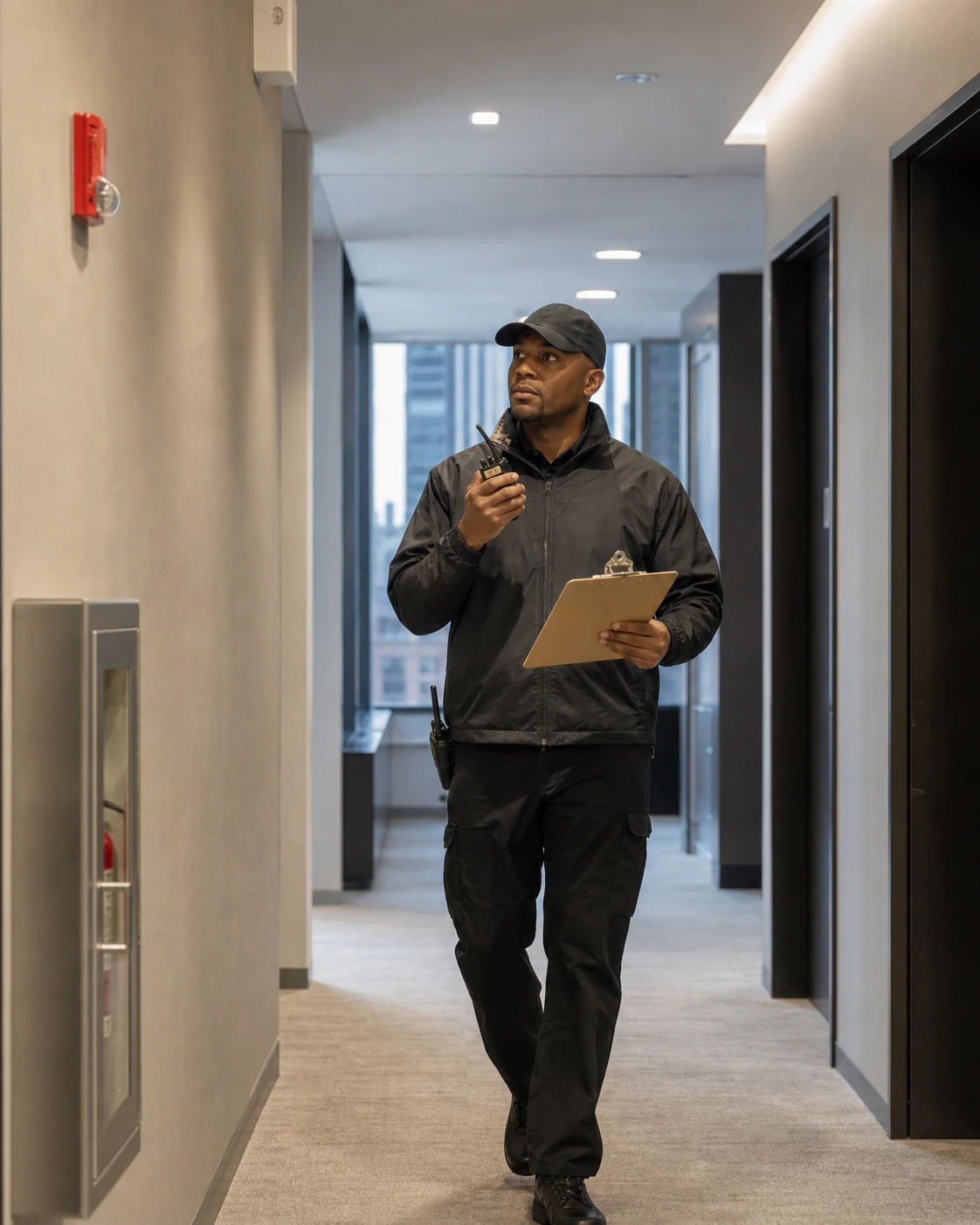
When a fire alarm, sprinkler, standpipe, or other fire-protection system is out of service, a New York City property may need temporary safeguards while the system is evaluated and restored. Fire guards can be part of that response, but assigning someone to walk the building is not a complete impairment plan.
Requirements vary according to the system, occupancy, extent and expected duration of the impairment, applicable permits and plans, and direction from the Fire Department of the City of New York (FDNY). Building owners and managers should confirm current requirements with their fire-protection professionals, approved plans, and FDNY rather than relying on a generic checklist.
Treat Every Impairment as a Managed Event
An impairment plan should begin as soon as a property learns that a required system is or may be unavailable. The responsible team should determine:
- Which system or component is affected
- Which floors, zones, or spaces are involved
- When the impairment began
- Whether the condition is planned or unexpected
- Which contractor is diagnosing and repairing it
- What notifications and temporary measures are required
- Who has authority to place the system back in service
Planned work should be coordinated in advance whenever possible. For an unexpected failure, management should use an established call tree rather than searching for contacts during the event.
Confirm Whether Fire Guards Are Required
Fire-guard needs cannot be determined solely by the number of hours a system may be offline. The applicable occupancy, impaired protection, scope of the outage, building procedures, and FDNY requirements all matter.
Where fire guards are required, the property should verify that assigned personnel hold the appropriate, current FDNY Certificate of Fitness for the duty and premises involved. A general security assignment does not by itself qualify someone to perform regulated fire-guard functions.
Guardian provides fire guard services based on the property’s stated conditions and coverage requirements. Management remains responsible for providing accurate impairment details and coordinating with its contractors and authorities.
Give Fire Guards Site-Specific Instructions
Define the patrol area
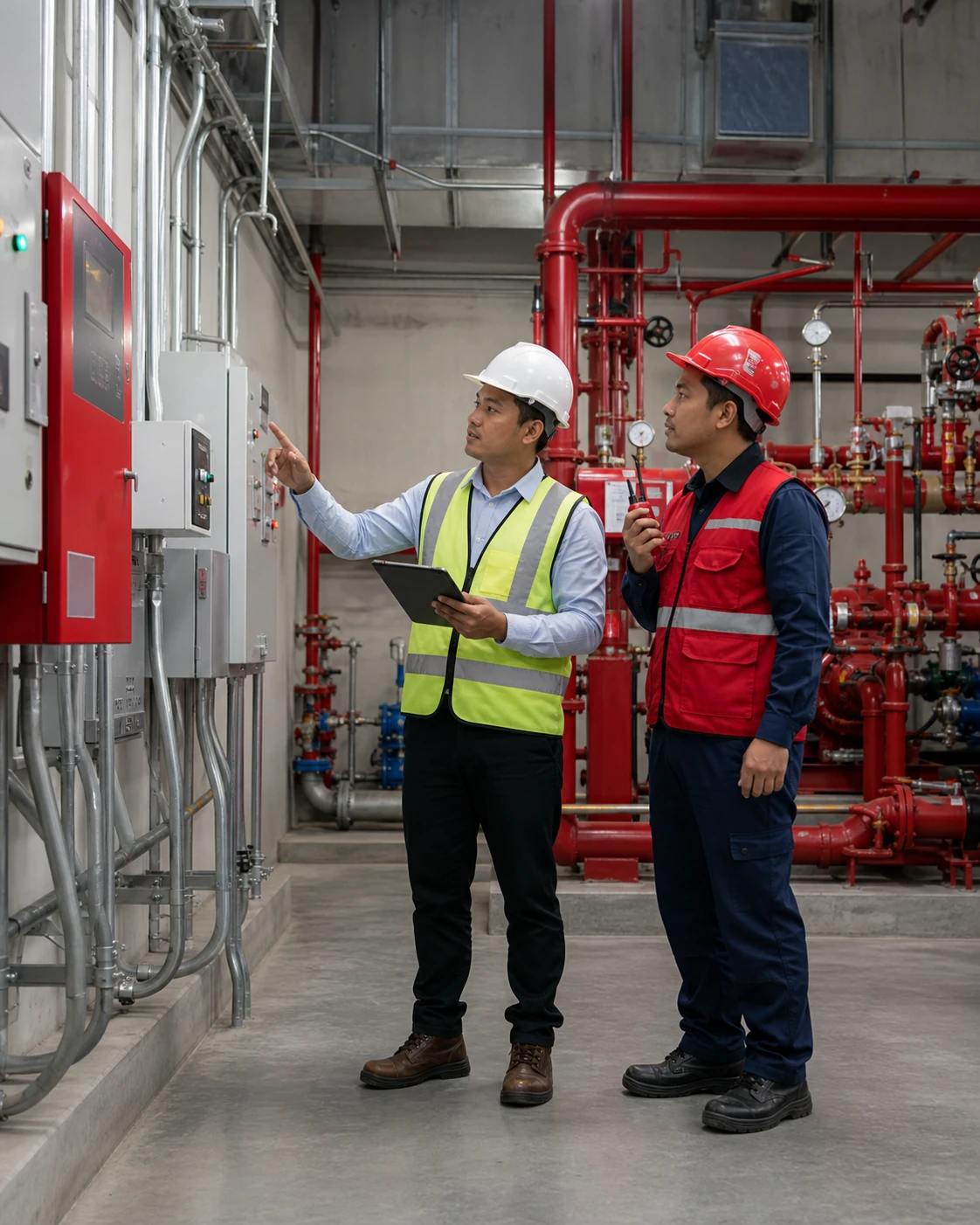
The patrol route should correspond to the affected system and the temporary measures required for the property. Instructions may identify floors, stairwells, mechanical rooms, construction areas, storage spaces, and other locations requiring observation.
The route must remain practical. If the affected area is too large for one person to monitor as required, management should reassess staffing with the appropriate professionals and authorities.
Explain what to observe
Fire guards should know the indicators that require immediate action, including visible smoke, flame, unusual heat, burning odors, unsafe hot work, or other conditions identified in the site plan. They should also know how to report obstructed exits or apparent changes in the impairment.
Establish communications
Provide reliable communication equipment and test it in basements, stairwells, and other low-signal areas. Fire guards need clear procedures for notifying 911, building fire-life-safety personnel, management, and the fire-protection contractor when appropriate.
Instructions should never delay an emergency call while personnel search for internal authorization.
Maintain Accurate Fire-Watch Records
The property should maintain records in the form required by its plan and applicable FDNY rules. Entries should be contemporaneous and legible, identifying the patrol time, area checked, observed conditions, and action taken.
Avoid prefilled entries or vague statements covering long periods. A record should help a manager, relief fire guard, or inspector understand what occurred during the impairment.
Supervisors should verify that:
- The assigned person has the required credentials
- The patrol began at the required time
- All designated areas are included
- Communication equipment works
- Relief coverage is arranged
- Records are complete and available at the site
Coordinate Other Risk Controls
An impaired fire-protection system may justify additional controls beyond fire-guard patrols. Depending on professional and official direction, these could include restricting hazardous work, increasing housekeeping checks, controlling combustible storage, changing occupancy in an affected area, or suspending certain operations.
Hot work creates separate responsibilities and should only proceed when all applicable permits, certificates, site controls, and authorizations are in place. Do not assume a general impairment fire watch satisfies every hot-work requirement.
Close the Impairment Correctly
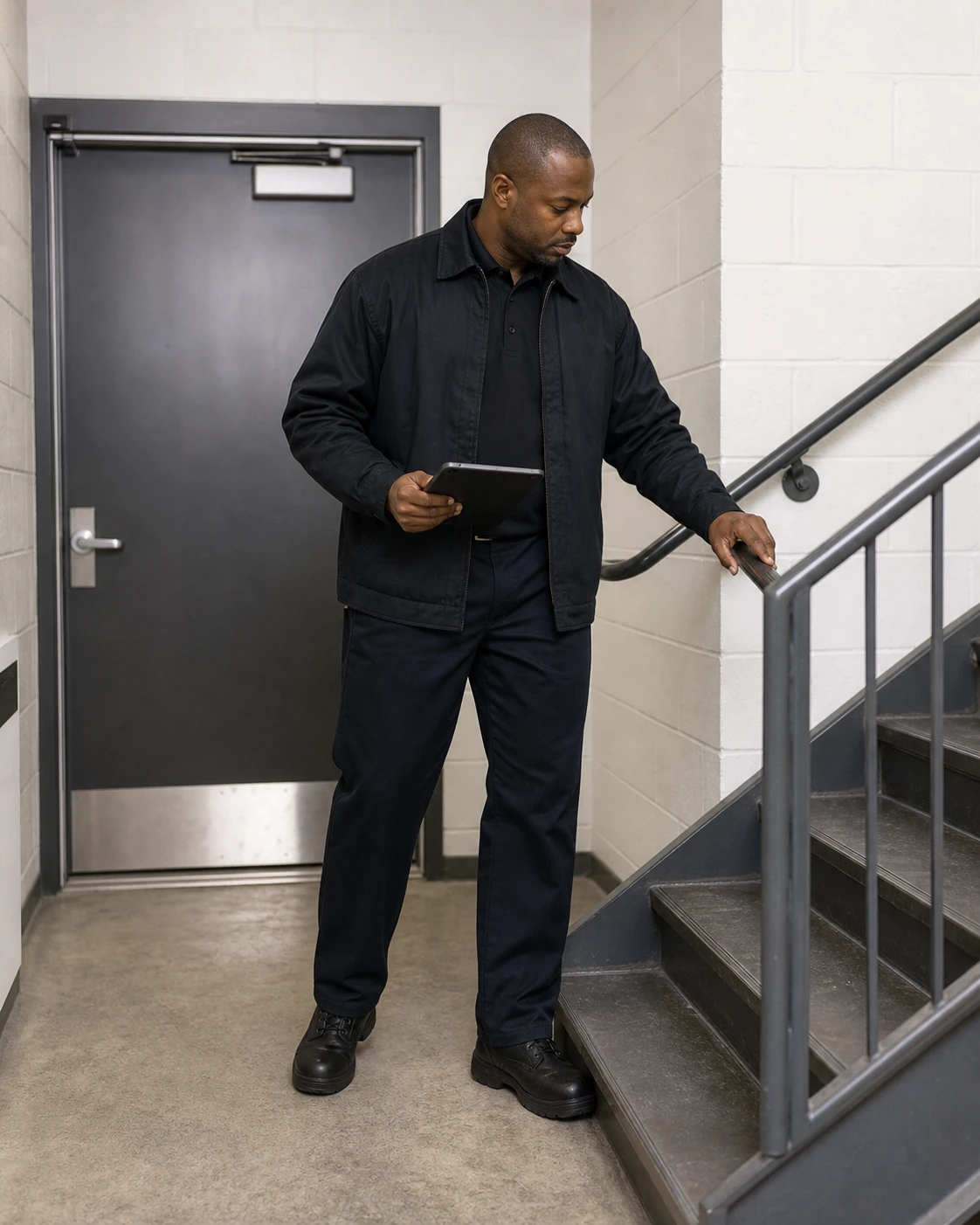
Fire-guard coverage should not end simply because a technician leaves or an alarm panel appears normal. The appropriate qualified party must verify restoration, and management should complete required notifications and documentation.
The closeout record should identify when the system returned to service, who confirmed restoration, who authorized the end of temporary coverage, and whether follow-up work remains. Preserve fire-watch records according to applicable requirements and building policy.
After a significant impairment, review response times, staffing, communications, and contractor coordination. Correcting those gaps can reduce confusion during the next outage.
Arrange Qualified NYC Fire Guard Coverage
Guardian ISI can help properties arrange qualified fire guards for planned or unexpected system impairments. For time-sensitive assistance, call or text (212) 602-1695 or request coverage online. Provide the property address, affected system, impacted areas, expected schedule, and any instructions already received from FDNY or your fire-protection team.
Related Guardian services
Discuss the confirmed impairment with Fire Guard Services, and coordinate any separate Fire & Life Safety Director responsibilities with the building team.
Official references
Frequently asked questions
Does every fire-alarm or sprinkler outage require a fire guard in NYC?
Requirements depend on the system, occupancy, scope and duration of the impairment, applicable plans and rules, and FDNY direction. Confirm the specific response for the property.
Can a regular security guard perform fire-guard duties?
A security assignment alone is not enough. FDNY permits a limited initial-period exception for a designated, trained and knowledgeable person in qualifying impairment conditions; required patrols after that period need the appropriate Certificate of Fitness. Confirm the applicable requirements before assigning personnel.
What information is needed when requesting emergency fire-guard coverage?
Provide the address, occupancy or property type, affected system, impacted floors or zones, start time, anticipated duration, site contact, and relevant instructions.
When can fire-guard coverage end?
Coverage should end only after restoration is properly confirmed and the authorized property representative completes required notifications and closeout procedures.
Is a fire guard a substitute for repairing an impaired system?
No. Fire-guard coverage is a temporary risk-control measure and does not replace prompt diagnosis, repair, testing, and authorized restoration.