
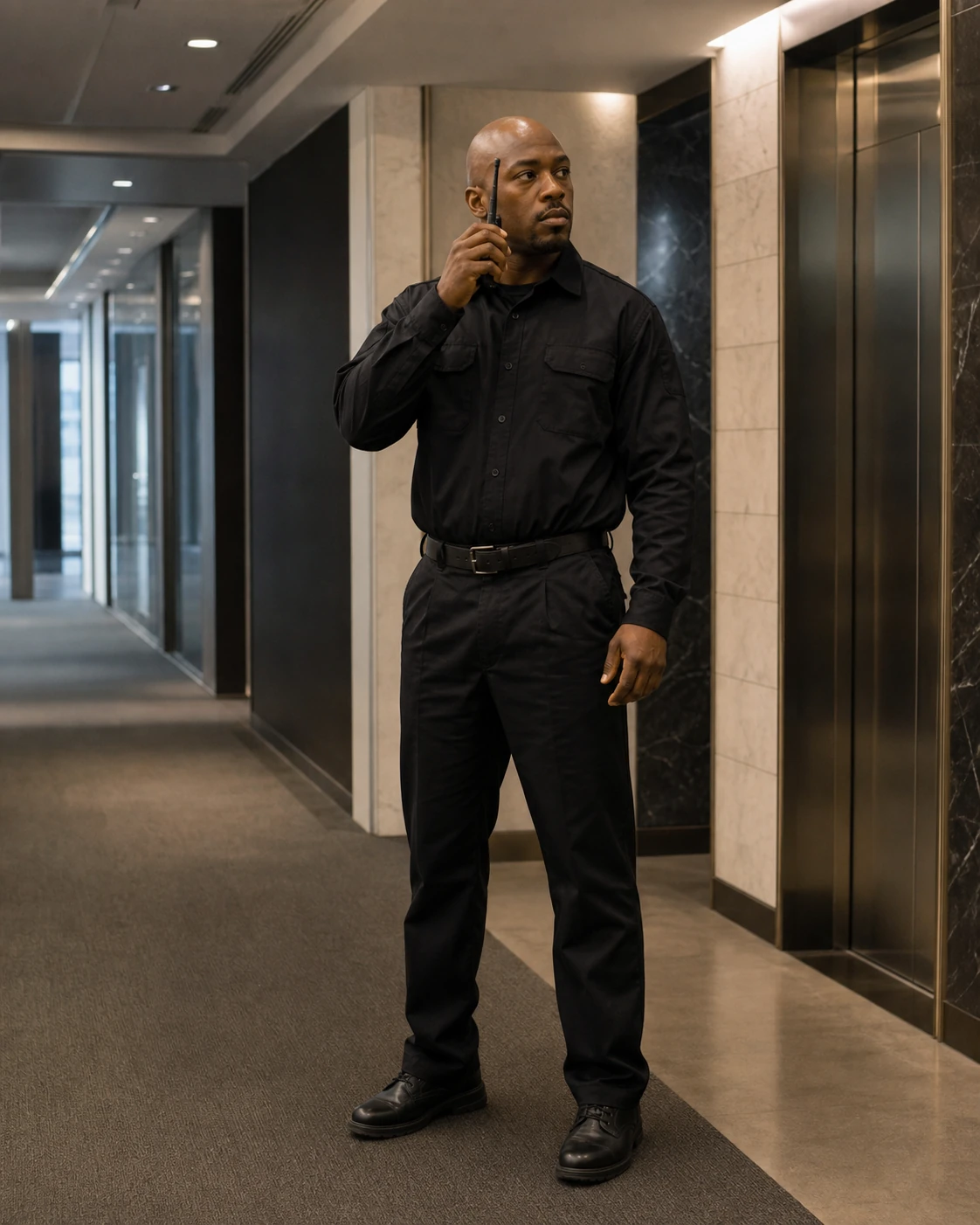
A security officer begins a routine patrol and is redirected halfway through the route. A tenant reports a disturbance, an alarm activates, someone needs medical assistance, or the lobby requests immediate support.
Responding to the new incident may be the correct priority. The operational problem comes afterward: no one decides whether the patrol should resume, restart, be reassigned, or remain incomplete.
NYC property teams need a procedure that protects both priorities—responding to the incident and accounting for the portion of the property that was not inspected.
An Interrupted Patrol Is Not Automatically a Failed Patrol
A route deviation may reflect good judgment. An officer should not ignore an urgent condition merely to keep a checkpoint schedule intact.
The failure occurs when the interruption becomes invisible. If the officer does not notify supervision, the patrol platform may simply show missing checkpoints. The next shift may assume the area was checked, while the supervisor may not learn about the gap until reviewing logs hours later.
A sound procedure distinguishes among:
- A completed patrol
- A patrol paused and later resumed
- A patrol restarted from the beginning
- A partially completed patrol with documented exceptions
- A patrol transferred to another qualified officer
- A canceled patrol authorized by supervision because of a continuing incident
Step One: Stabilize the Higher-Priority Condition
The officer should follow the applicable response procedure for the incident. That may involve requesting assistance, contacting emergency services, protecting the immediate area, or maintaining observation from a safe position.
Officers should not rush away from a developing incident simply because the patrol clock is running. Life safety and immediate hazards take precedence over routine checkpoint completion.
At the same time, the officer or dispatcher should record where the original patrol stopped. A checkpoint name, floor, stairwell, or time stamp is more useful than a later statement that the officer was “somewhere in the building.”
Step Two: Notify the Control Point
The officer should tell the supervisor, dispatcher, or lobby post:
- Why the route was interrupted
- The time of interruption
- The last completed checkpoint or area
- The officer’s current location
- Whether assistance or relief is needed
- Whether the incident is likely to delay the next scheduled patrol
This notice creates operational awareness. It also allows the supervisor to decide whether another officer should cover the remaining area.
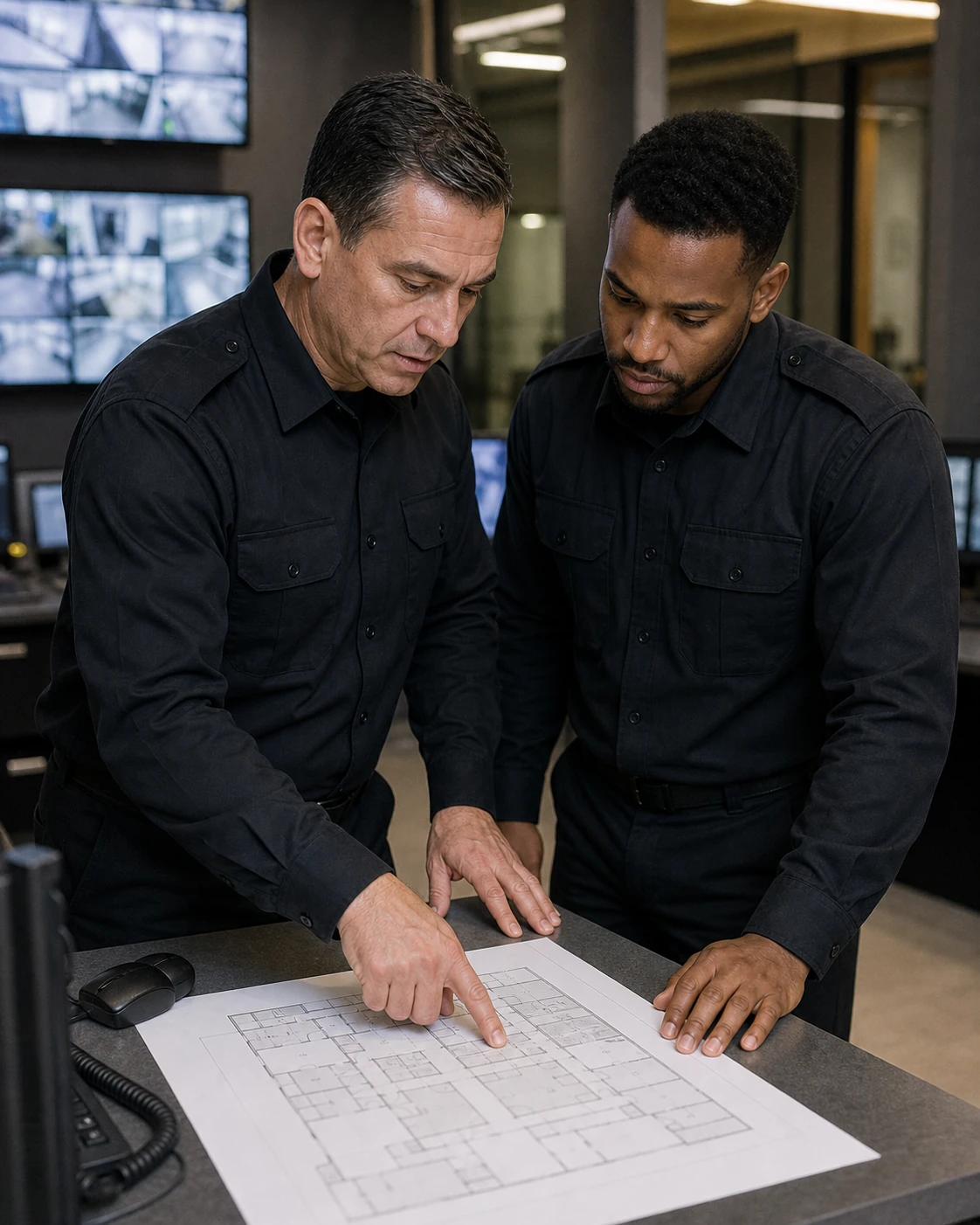
Step Three: Decide How the Route Will Be Recovered
The correct recovery method depends on the building, staffing, delay, and nature of the incident.
Resume From the Last Verified Point
Resuming may be appropriate when the interruption was brief and the completed portion of the route remains recent and reliable.
The officer should return to the last confirmed location and continue through the remaining checkpoints. The report should show the pause rather than presenting the route as uninterrupted.
Restart the Route
A restart may make more sense after a long delay, especially when conditions could have changed throughout the property. Restarting can also simplify accountability when the exact stopping point is uncertain.
The supervisor—not an automated patrol timer alone—should make this decision.
Reassign the Remaining Area
If the responding officer must stay with an incident, another officer may be assigned to complete the uncovered portion. The reassignment should clearly identify which officer checked each area.
Avoid creating a misleading record in which one officer’s name appears to show completion of a route performed by multiple people.
Document the Patrol as Incomplete
Sometimes staffing or incident conditions make recovery impossible. In that case, the patrol should be marked incomplete with a reason and supervisory acknowledgment.
An honest exception is more useful than a rushed route, retroactive checkpoint entries, or a report implying that inaccessible areas were inspected.
What Should Happen to Missed Checkpoints?
A missed checkpoint is a prompt for review, not proof of misconduct by itself. Common operational causes include:
- Emergency response
- A blocked or unsafe route
- An occupied sensitive area
- Elevator or stair access problems
- A request for lobby backup
- A technical failure affecting the checkpoint device
- An authorized route change
The officer should state what happened and what was done instead. The supervisor should then determine whether the area needs immediate inspection, inclusion in the next round, or another control measure.
Protect Fixed Posts While Recovering the Route
A patrol should not create a second gap by leaving a required lobby, desk, or access-control position unattended. Post orders should identify whether an officer may leave the fixed post, who provides relief, and which events justify departure without prior approval.
Properties with only one officer on duty may need a different model. Options can include shorter patrol segments, remote check-ins, management-approved temporary door controls, or scheduled relief coverage. The solution must fit the property rather than assuming one officer can be in two places at once.
Write a Useful Route-Deviation Report
The report should allow a manager who was not present to reconstruct the decision. Include:
- Scheduled patrol start time
- Actual start time
- Last completed area before interruption
- Nature and location of the incident
- Notifications made
- Time the route resumed or was reassigned
- Areas completed after the interruption
- Checkpoints or spaces not inspected
- Supervisor’s instructions
- Any follow-up needed
Avoid vague phrases such as “got busy” or “handled issue.” Describe observable facts and operational decisions without speculation.
Supervisory Review Should Happen During the Shift
Whenever practical, a supervisor should review the interruption before the shift ends. Same-shift review makes it easier to recover an uncovered area, clarify reports, and correct an unrealistic schedule.
Repeated interruptions may reveal a planning problem rather than an officer problem. The route may conflict with loading-dock activity, tenant closing times, meal relief, or predictable lobby demand. Supervisors should use those patterns to revise deployment and post orders.
Build Patrol Recovery Into the Procedure
Every patrol instruction should answer four questions:
- Which events may interrupt the route?
- Who must be notified?
- Who decides whether to resume, restart, reassign, or cancel?
- How will uncovered areas be documented and recovered?
When those answers are clear, officers can respond to real incidents without sacrificing accountability elsewhere in the building.
Review Your NYC Patrol Procedures
Guardian ISI helps commercial, residential, hospitality, and construction properties develop realistic patrol routes and response procedures. Call or text (212) 602-1695, or request coverage.
Related Guardian services
Review patrol and fixed-post responsibilities with Security Guard Services. Commercial Office Security addresses the building access duties that must remain covered during route recovery.
Frequently asked questions
Should an officer ignore an incident to finish a scheduled patrol?
No. The officer should follow the applicable incident-response procedure and notify the designated control point that the patrol has been interrupted.
Does an interrupted patrol always need to restart from the beginning?
Not always. A supervisor may direct the officer to resume, restart, reassign the remaining area, or document the route as incomplete.
How should missed checkpoints be documented?
Record the reason, the last completed location, notifications made, uncovered areas, and any recovery action ordered by supervision.
Can two officers complete different portions of one patrol?
Yes, if the property’s procedures allow it and the record accurately identifies who inspected each portion.
What if a property has only one security officer on duty?
Management should design shorter routes, relief arrangements, or other controls so patrols do not leave critical fixed posts unprotected.