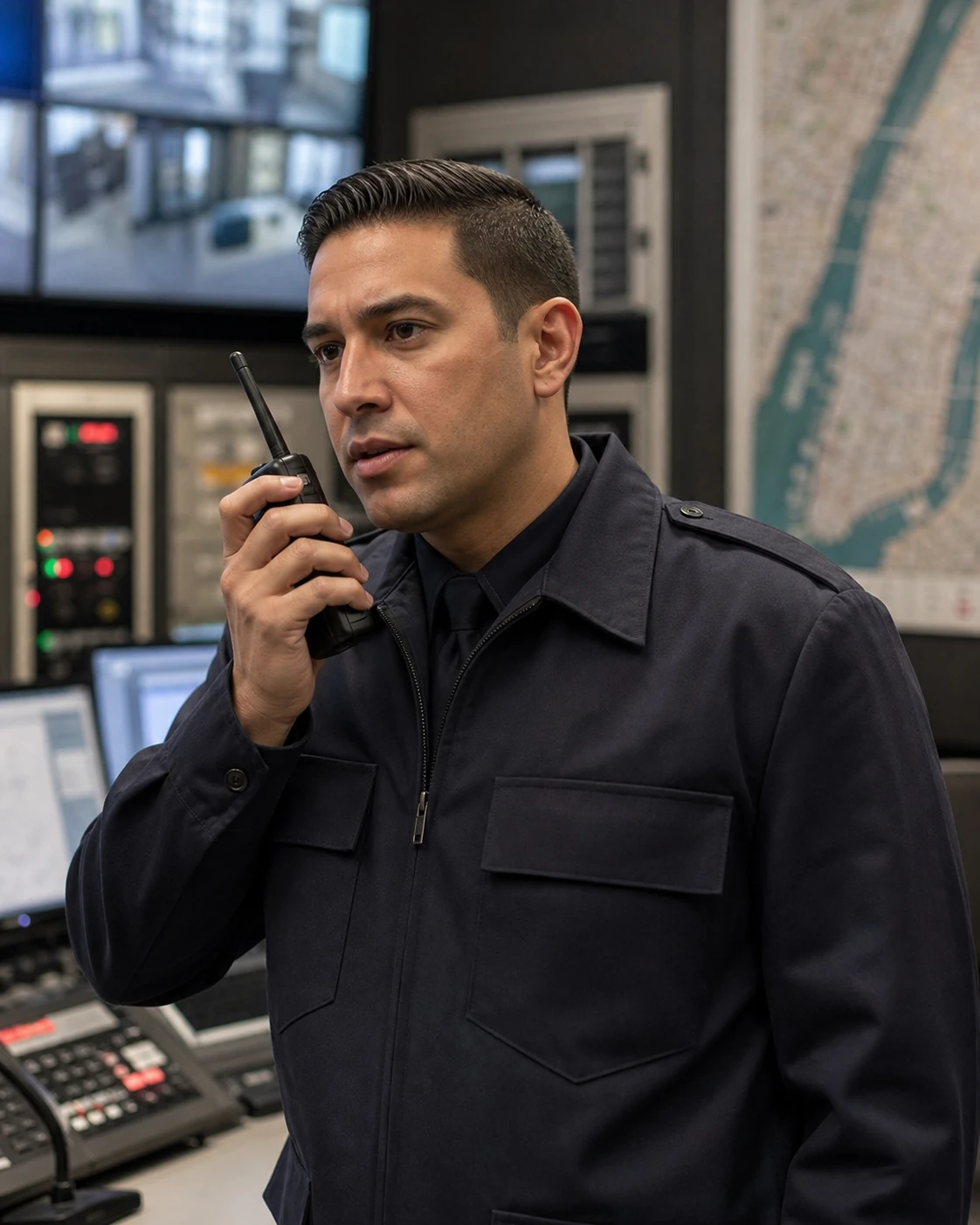
Emergency plans often assume that the building’s communication tools will work exactly as expected. The FLSD receives information by radio, makes announcements, calls key personnel, and coordinates responding staff.
But what if the radio channel becomes unusable? What if a phone extension does not answer, a public-address message cannot be heard in part of the property, or responders receive conflicting information from different posts?
A communications-failure tabletop exercise lets an NYC building team examine those problems without disrupting tenants or pretending to conduct a full emergency drill. It should supplement—not replace—required drills, training, inspections, or the building’s approved emergency procedures.
Why Test Communications Separately?
Emergency communication is not one device. It is a chain involving people, equipment, terminology, contact information, and confirmation.
A message can fail even when the equipment is operational. An officer may use an unclear location description. Two teams may talk over each other. A tenant contact may have changed. An announcement may be delivered but never acknowledged.
The exercise should therefore test whether the building can:
- Receive an initial report
- Confirm the location and nature of the condition
- Alert the FLSD and appropriate building personnel
- Communicate instructions to occupants
- Contact emergency services when necessary
- Update responding staff as facts change
- Confirm that critical messages were received
- Shift to backup methods when a primary channel fails
Choose a Narrow, Realistic Scenario
Avoid starting with an overly dramatic event involving every possible failure. A focused scenario produces clearer lessons.
For example:
At 10:20 a.m., the lobby reports smoke near a freight-elevator landing on an occupied floor. The FLSD attempts to contact the floor team, but the primary radio channel is filled with interference. A tenant employee calls the security desk with a different floor number.
This scenario tests location verification, radio discipline, alternate communication, and occupant messaging without asking participants to solve unrelated technical problems.
Other useful scenarios may involve:
- A radio dead zone in a cellar or mechanical area
- A failed desk phone during an elevator incident
- A public-address issue affecting one building section
- Conflicting reports from a tenant and a contractor
- Loss of cellular service during severe weather
- A responder arriving while the primary FLSD contact is occupied
Identify the Participants
Include the people who would actually communicate during the event. Depending on the building, that may include:
- The FLSD or deputy/relief FLSD
- Security supervisor
- Lobby and loading-dock officers
- Building engineer
- Property manager
- Tenant fire-safety or emergency contacts
- Facilities or communications personnel

The tabletop should clarify roles rather than turning into a test of who can speak most confidently in the meeting.
Exercise Step One: Receive and Verify the Report
Ask the first participant what information they need from the caller or reporting officer. At minimum, they should seek:
- Exact location
- What was observed
- Whether smoke, flame, odor, injury, or another condition is present
- Whether the condition is changing
- The reporter’s name and callback location
Participants should use consistent building terminology. “Back hallway” may mean different things to a tenant, guard, and engineer. Floor, stair, elevator bank, room, and compass-direction references should match the building’s plans and post orders.
Exercise Step Two: Remove the Primary Radio Channel
Once participants describe the initial response, announce that the primary radio channel is unreliable.
Ask:
- Who notices the communication failure?
- Who declares the move to a backup method?
- Does the team have another channel?
- Can a desk phone, runner, intercom, or other approved method be used?
- How will the FLSD know that remote personnel received the message?
- What information is important enough to repeat?
The backup method should already be identified in the building’s procedures. A tabletop is not the time to invent improvised practices that could conflict with the approved plan.
Exercise Step Three: Test Message Confirmation
Sending a message is not the same as completing communication. Participants should explain how they confirm receipt.
Useful techniques include requiring the receiver to repeat:
- The location
- The assigned action
- The route or reporting point
- Any restriction or safety instruction
If the message cannot be confirmed, the sender should know when to try another method or dispatch another person.
Exercise Step Four: Add Conflicting Information
Tell the group that a second caller reports the condition on a different floor. Ask how the FLSD distinguishes a corrected location from a separate incident.
The team should avoid presenting uncertain information as fact. It may be necessary to track both reports until personnel verify the condition.
This part of the exercise often reveals whether the command location has a practical way to record incoming reports, assignments, and confirmation times.
Exercise Step Five: Review Occupant Communications
Ask what occupants need to hear and who is authorized to deliver the message under the building’s procedures.
A useful emergency message should be calm, understandable, and specific enough to guide action. Technical jargon, speculation, and unnecessary detail can create confusion.
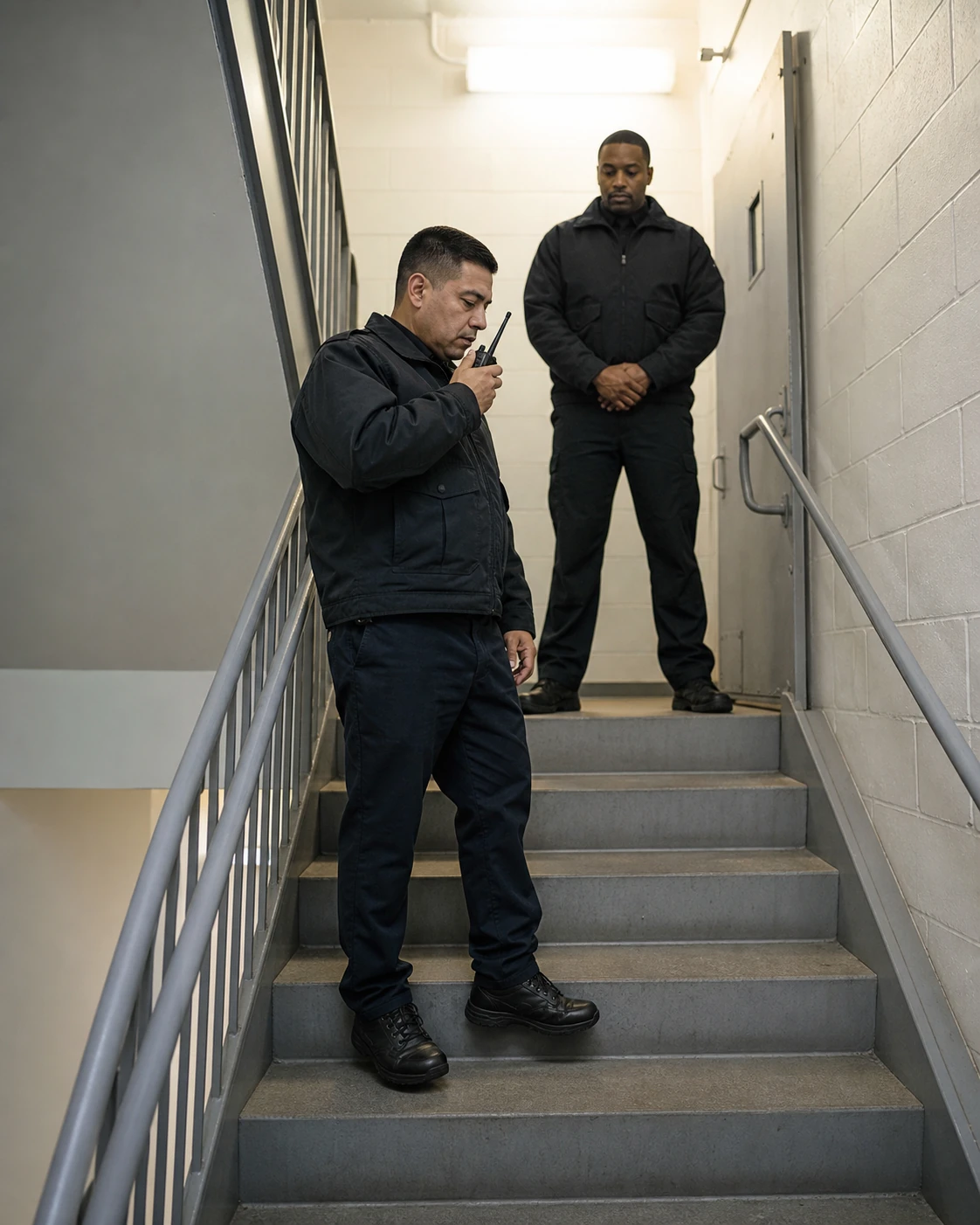
The team should also consider how instructions reach people who may not hear the primary announcement, including occupants in noisy work areas, restrooms, service spaces, or sections affected by an equipment problem.
Observe the Exercise Without Interrupting It
Assign one person to document:
- Delays
- Conflicting role assumptions
- Missing contact information
- Unclear location terminology
- Equipment questions
- Messages sent without confirmation
- Decisions that depended on one unavailable person
The observer should generally allow the scenario to unfold. Correcting every mistake immediately can hide the point at which the communication process actually broke down.
Turn Lessons Into Specific Improvements
End with assigned actions rather than a general statement that communication should improve. Examples include:
- Test a known radio dead zone.
- Update the emergency contact sheet.
- Standardize floor and stair terminology.
- Add a backup communication method to post orders.
- Clarify who may make emergency announcements.
- Create a simple command-post message log.
- Brief tenant emergency contacts on reporting expectations.
Each action should have an owner and a due date. Completed changes should be reviewed with affected shifts, including relief personnel who did not attend the tabletop.
Keep the FLSD Program Building-Specific
Generic emergency knowledge is important, but an effective FLSD must understand the actual property: its communication systems, staffing, floor layouts, tenant population, and backup options.
A focused tabletop helps management find assumptions that may not appear during a routine document review.
Strengthen Your Building’s Emergency Readiness
Guardian ISI provides Fire and Life Safety Directors and operational support for NYC properties. To discuss FLSD coverage or preparedness planning, call or text (212) 602-1695, or request coverage.
Related Guardian services
Review Fire & Life Safety Director services for qualified personnel who must understand the building’s emergency procedures and communications arrangements.
Frequently asked questions
Is a communications tabletop the same as an FDNY-required drill?
No. It is a supplemental planning exercise and should not replace any required drill, training, inspection, or approved building procedure.
How long should the tabletop take?
A focused exercise can often be completed in 30 to 60 minutes, followed by a short review and assignment of corrective actions.
Should tenants participate?
Include appropriate tenant emergency contacts when their role is relevant, particularly in large or multi-tenant properties.
What communication failures should be tested?
Consider radio interference, dead zones, unavailable phone extensions, conflicting reports, inaudible announcements, and outdated contact information.
What should happen after the exercise?
Document specific findings, assign each corrective action to an owner, set a due date, and brief all affected shifts on completed changes.