
A fire alarm, sprinkler, standpipe, or other fire-protection system impairment can change a New York building's responsibilities immediately. Property management should not wait until equipment is offline to determine who must be notified or how qualified fire guard coverage will be arranged.
Applicable duties and staffing depend on the condition, building, permits, and FDNY direction. Management should confirm the exact requirements for each situation.
Build the Impairment Plan Before It Is Needed
The plan should identify internal contacts, service vendors, required notifications, qualified personnel, patrol areas, log expectations, and the person authorized to confirm restoration.
Match the Credential to the Assignment
Different fire-safety duties may require different Certificates of Fitness. Property managers should verify that each person has the credential applicable to the assigned role rather than relying on a generic statement that someone is “fire certified.”
Fire Guard Patrols Need a Defined Route
The route should reflect the affected system and areas. Patrol instructions may include watching for smoke, fire, unusual odors, blocked exits, unsafe activity, and changes that require immediate notification.
Logs Must Be Complete and Timely
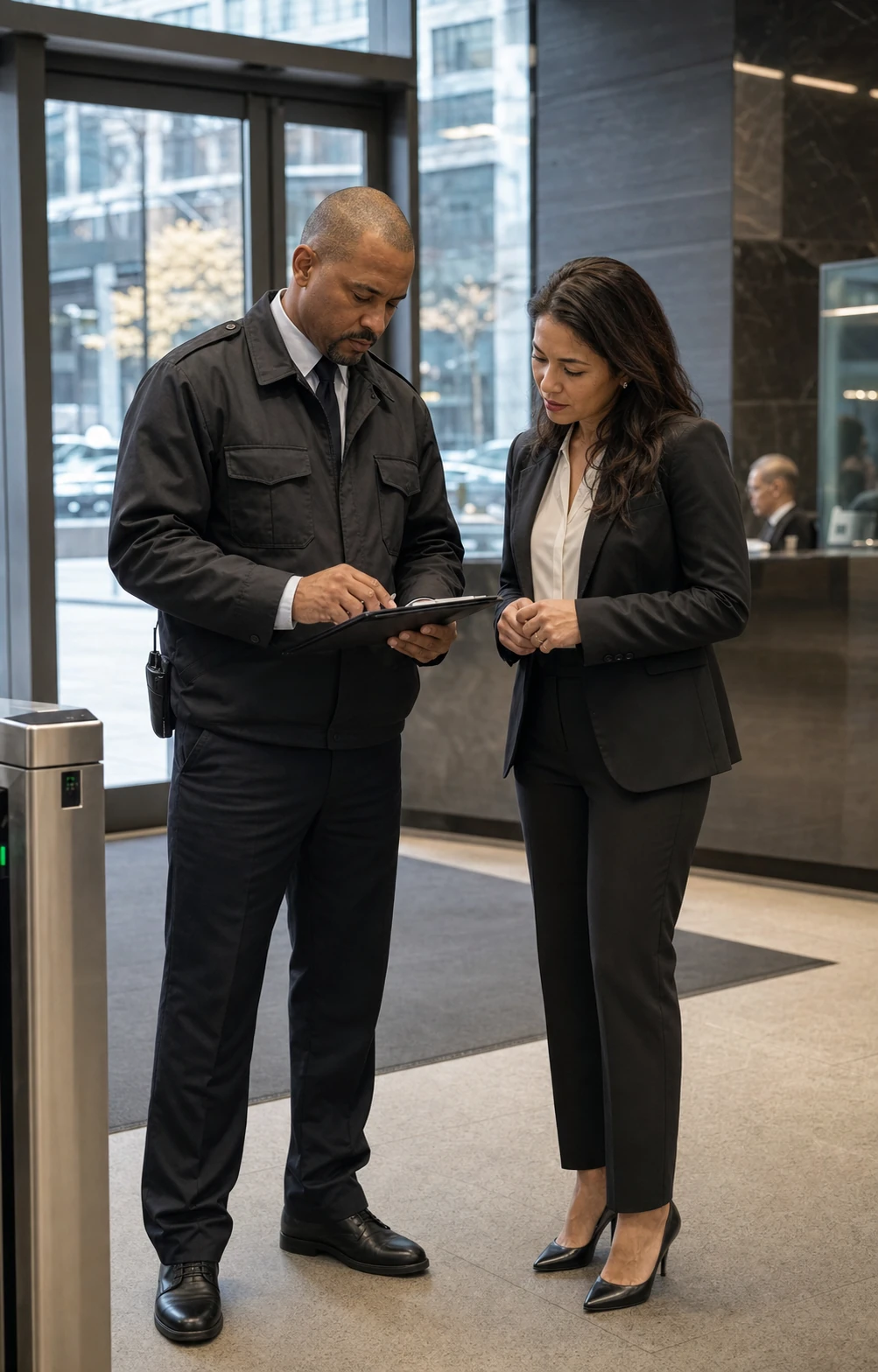
Records should identify who performed the patrol, when it occurred, which areas were checked, what was observed, and what action was taken. Supervisors should review the logs during coverage—not only after the impairment ends.
Security and Fire Guard Duties Must Be Distinguished
A fire guard may identify fire-related conditions and support emergency procedures, while a security officer may manage access and protect property. Required fire-watch patrols must remain dedicated to that assignment; do not add unrelated security duties during the patrol.
Restoration Requires a Controlled Handoff
Coverage should not end merely because someone says the system is repaired. The responsible building authority should verify restoration, complete required notifications, and document when special coverage was released.
Guardian ISI provides qualified fire guard and emergency coverage in New York City. Call or text (212) 602-1695 or request coverage.
A practical review checklist
| Review point | What to confirm |
|---|---|
| Scope | Affected system, floors, start time, and coordinator |
| Coverage | Qualified personnel, patrol boundaries, access, and relief |
| Closeout | Verified restoration, required notifications, and authorized release |
Related Guardian services
Discuss the confirmed impairment with Fire Guard Services. Coordinate any separate Fire & Life Safety Director assignment with the building team.
Official references
Frequently asked questions
When is a fire guard required?
Requirements depend on the building, impairment, occupancy, permits, duration, and FDNY direction.
Can any security guard serve as a fire guard?
A security assignment alone is not sufficient. FDNY allows a limited initial-period exception for a designated, trained and knowledgeable person in qualifying impairment conditions. Required patrols after that period need the appropriate Certificate of Fitness; confirm the requirements before assigning personnel.
What belongs in a fire guard log?
The guard, time, areas checked, observations, notifications, and corrective actions should be recorded as required.
Who ends fire guard coverage?
Coverage should end only after the responsible authority confirms restoration and completes the required process.