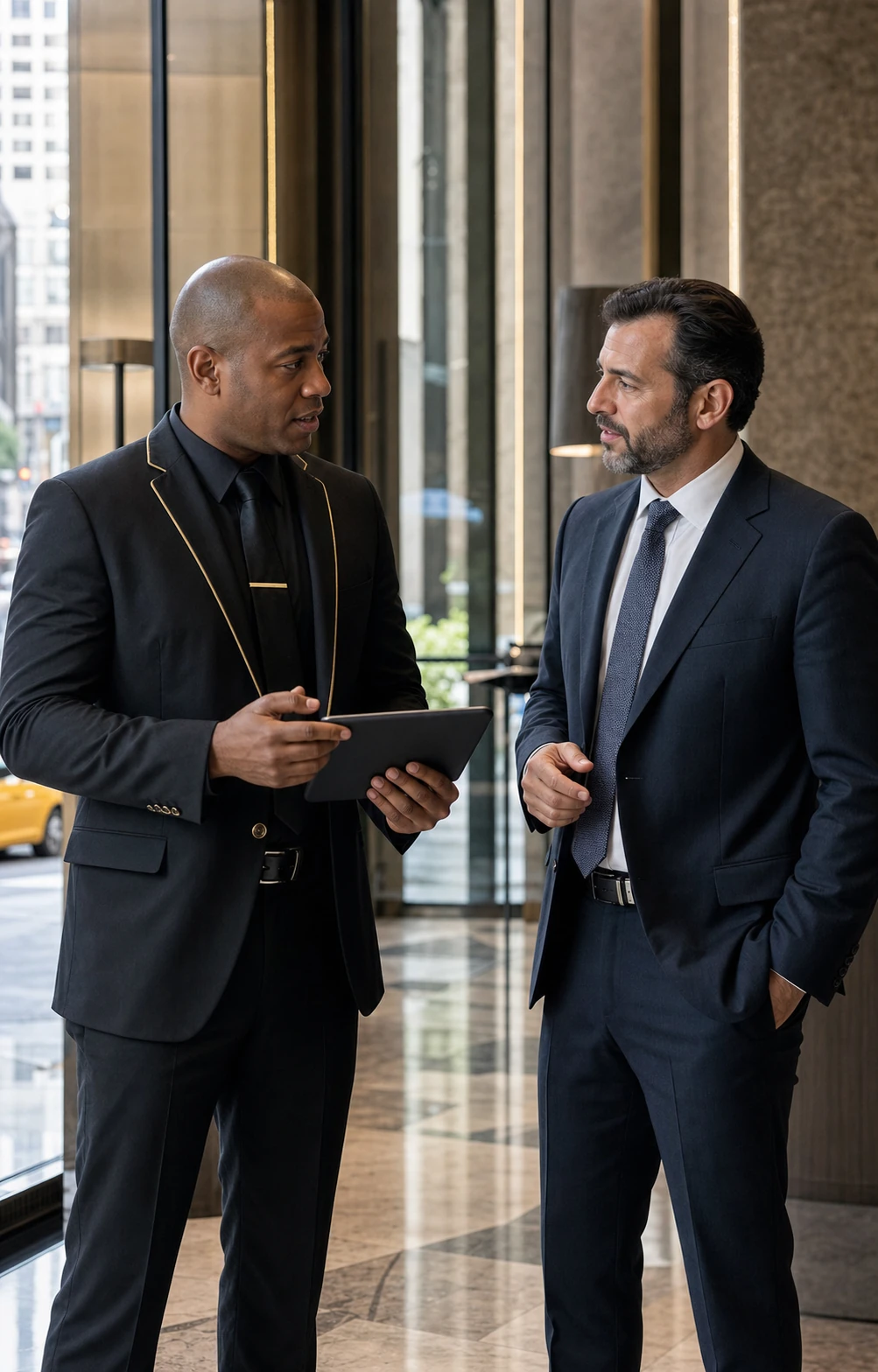
A security company should never disappear after assigning an officer to a property. At Guardian ISI, we visit our client sites every day to check the post, speak with our personnel, and stay connected with management. This routine is one of the most important parts of delivering consistent security service.
Daily Visits Confirm What Reports Cannot
Written reports provide valuable information, but an in-person visit reveals details that may never appear on a form. A supervisor can observe officer readiness, uniform condition, desk organization, visitor flow, communication practices, and whether post orders match actual building operations.
Small Problems Are Easier to Correct Early
A minor misunderstanding about a delivery, key, patrol location, or notification procedure can become a larger client concern when it repeats. Daily contact gives Guardian the opportunity to identify and correct these issues before they develop into patterns.
Management Should Not Have to Chase Its Security Provider
Property leaders have enough responsibilities. They should know who to contact and receive timely answers when a question or concern arises. Constant communication creates clear ownership and prevents unresolved matters from being passed from one shift to another.
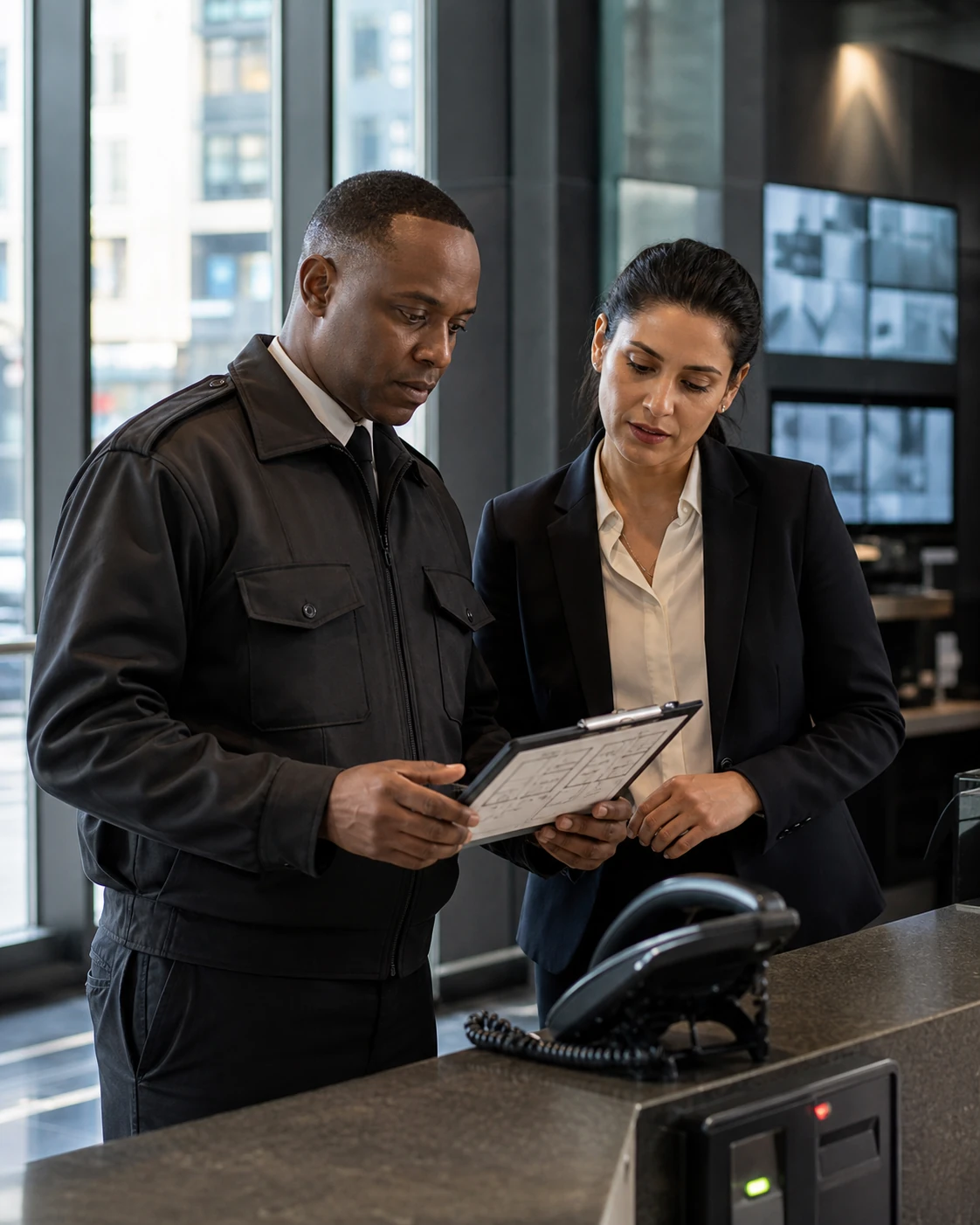
Officers Perform Better When Supervision Is Present
Consistent field supervision demonstrates that standards matter. It also gives officers a dependable source of guidance. When an officer encounters a new situation, the answer should come from trained leadership—not guesswork or an outdated instruction.
Client Feedback Improves the Post Orders
Building operations change. Tenants move, contractors begin work, entrances close, schedules shift, and management priorities evolve. Frequent conversations allow post orders and patrol assignments to stay aligned with the property.
Communication Must Flow in Both Directions
Guardian informs management about incidents, staffing, recurring conditions, and recommended corrections. We also need clients to tell us about changing expectations, upcoming events, tenant concerns, construction, or dissatisfaction. Security improves when information moves quickly and honestly in both directions.
Daily Contact Builds a Shared Operating Picture
Security officers see the property from the post. Managers understand business operations and tenant needs. Supervisors compare information across shifts and incidents. Bringing those viewpoints together creates a more accurate picture of what is happening and what needs attention.
Service Quality Is a Continuing Process
A good launch does not guarantee a good account six months later. Daily visits, report reviews, management conversations, officer coaching, and documented follow-up keep the program active and responsive.
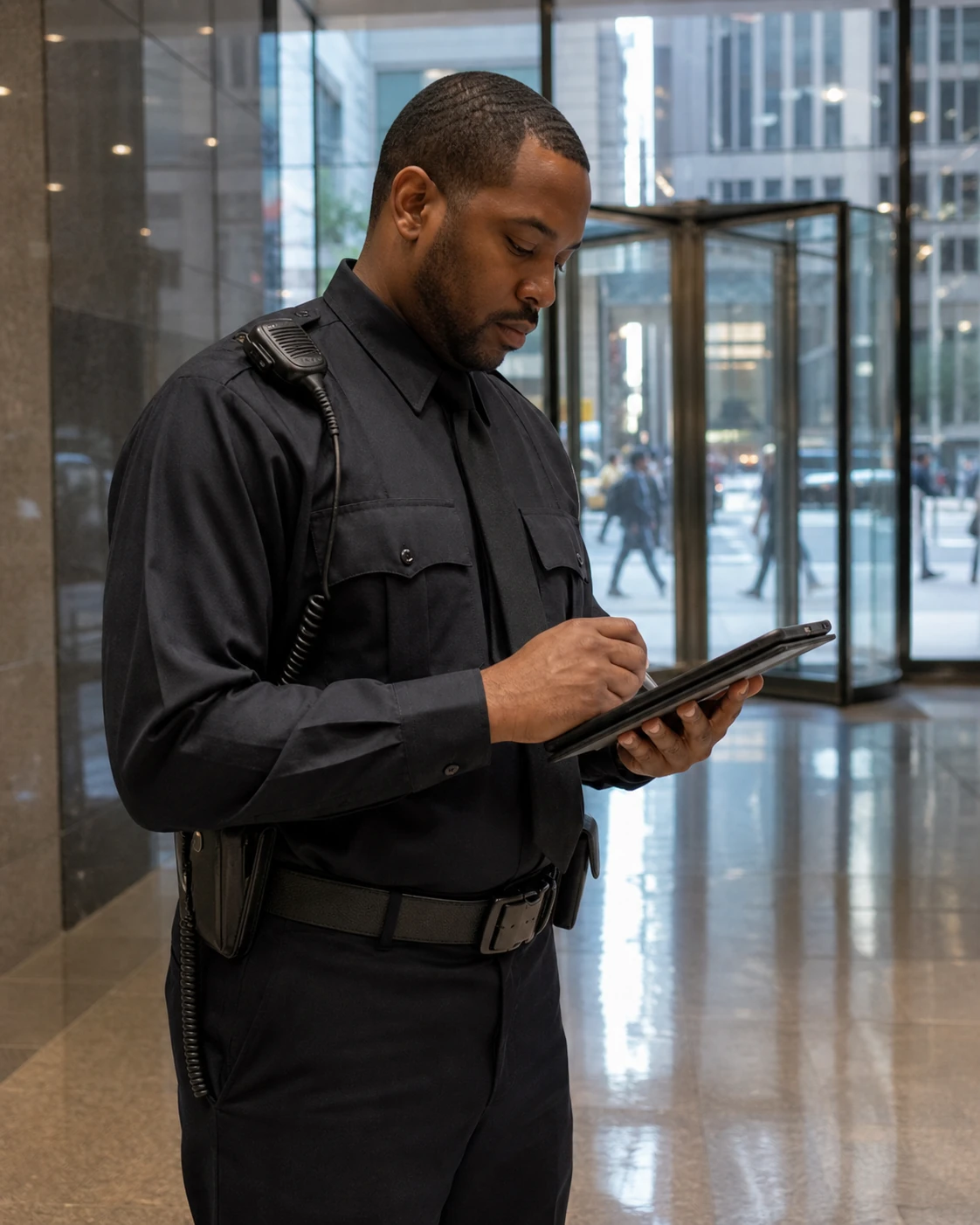
Guardian ISI treats communication as an operational responsibility, not a customer-service slogan. To discuss security coverage for your New York property, call or text (212) 602-1695 or contact Guardian.
A practical review checklist
| Review point | What to confirm |
|---|---|
| Observe | Post readiness, equipment, current instructions, and client concerns |
| Assign | Action owner, deadline, and temporary control |
| Verify | Evidence of correction and an update to affected shifts |
Related Guardian services
Review Security Guard Services for staffing and supervision, and align site reporting with Commercial Office Security.
Frequently asked questions
What does a supervisor check during a site visit?
The supervisor may verify staffing, appearance, equipment, post knowledge, patrol completion, reports, pass-down information, and current client concerns.
Should management receive a response to every concern?
Yes. Even when a matter requires investigation, the provider should acknowledge it, assign responsibility, and communicate follow-up.
Why speak with the on-duty officer?
The officer may identify changing site conditions, recurring visitor issues, equipment problems, or unclear instructions that require management attention.
Can daily visits replace formal account reviews?
No. Daily contact supports operations, while periodic formal reviews examine trends, performance, staffing, and longer-term improvements.