
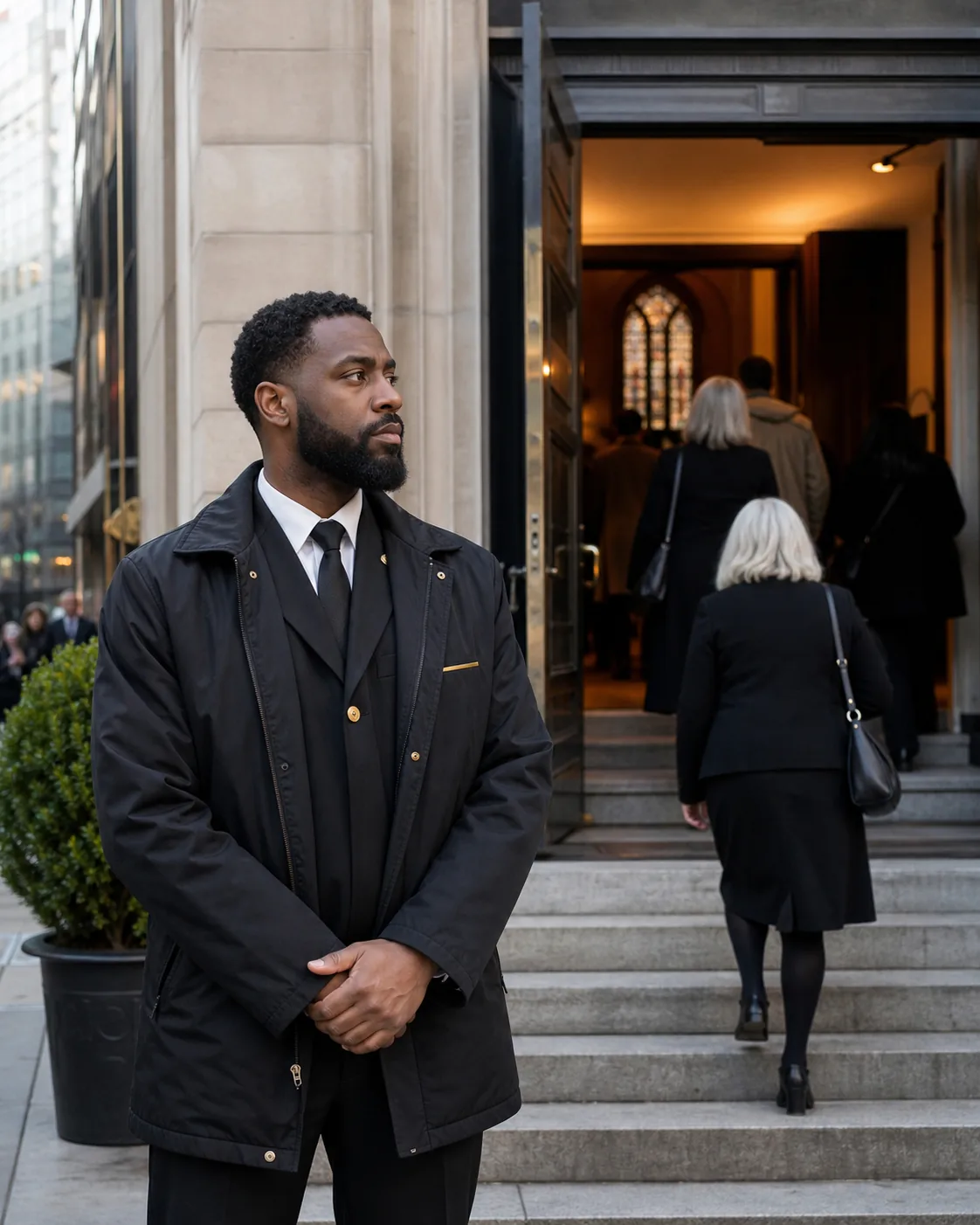
On September 9, 2026, the Manhattan District Attorney announced an indictment concerning an alleged August 14 attack during services at Central Synagogue. The allegations include attacks on a congregant and a security guard and damage to religious property. Charges are allegations, and the defendant is presumed innocent unless proven guilty.
The event should not be used to create fear. It does, however, offer practical lessons about how trained personnel, access awareness, communication, and a defined response plan can reduce confusion when disruptive behavior escalates.
A Welcoming Entrance Still Needs a Security Plan
Houses of worship must often balance openness with safety. A security plan should define how greeters, staff, volunteers, and security personnel share information about unusual behavior without turning every unfamiliar visitor into a threat. The goal is early awareness, respectful engagement, and a proportionate response.
Recognize the Difference Between Disruption and Immediate Danger
Officers need clear response levels. A person asking unusual questions may require observation. Someone refusing instructions may require supervisory involvement. Assaultive behavior, a displayed weapon, fire, or another immediate danger requires emergency action and a 911 response. Written thresholds help personnel act without hesitation or unnecessary escalation.
Protect People Before Property
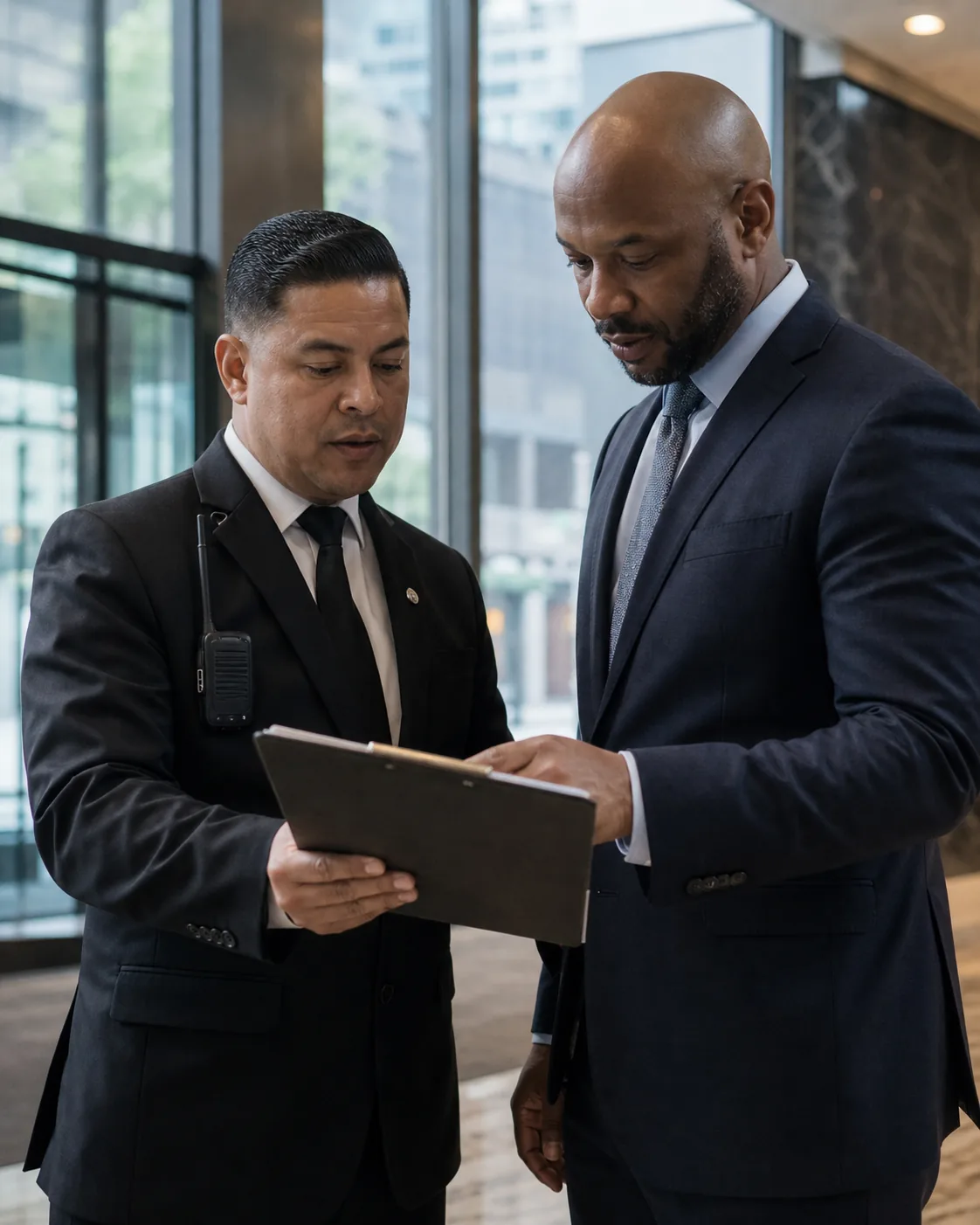
When conduct becomes violent, the immediate priorities are protecting congregants, creating distance, moving vulnerable people away from the disturbance, and summoning police and medical assistance. Property damage should be documented, but personnel should not take avoidable risks merely to stop damage to an object.
Communication Must Be Simple Under Pressure
Staff should know who calls 911, who alerts leadership, who guides responding officers, and who communicates with occupants. Radio language and emergency announcements should be clear and brief. Sensitive details should only be shared with people who need them to perform their role.
Preserve an Accurate Record
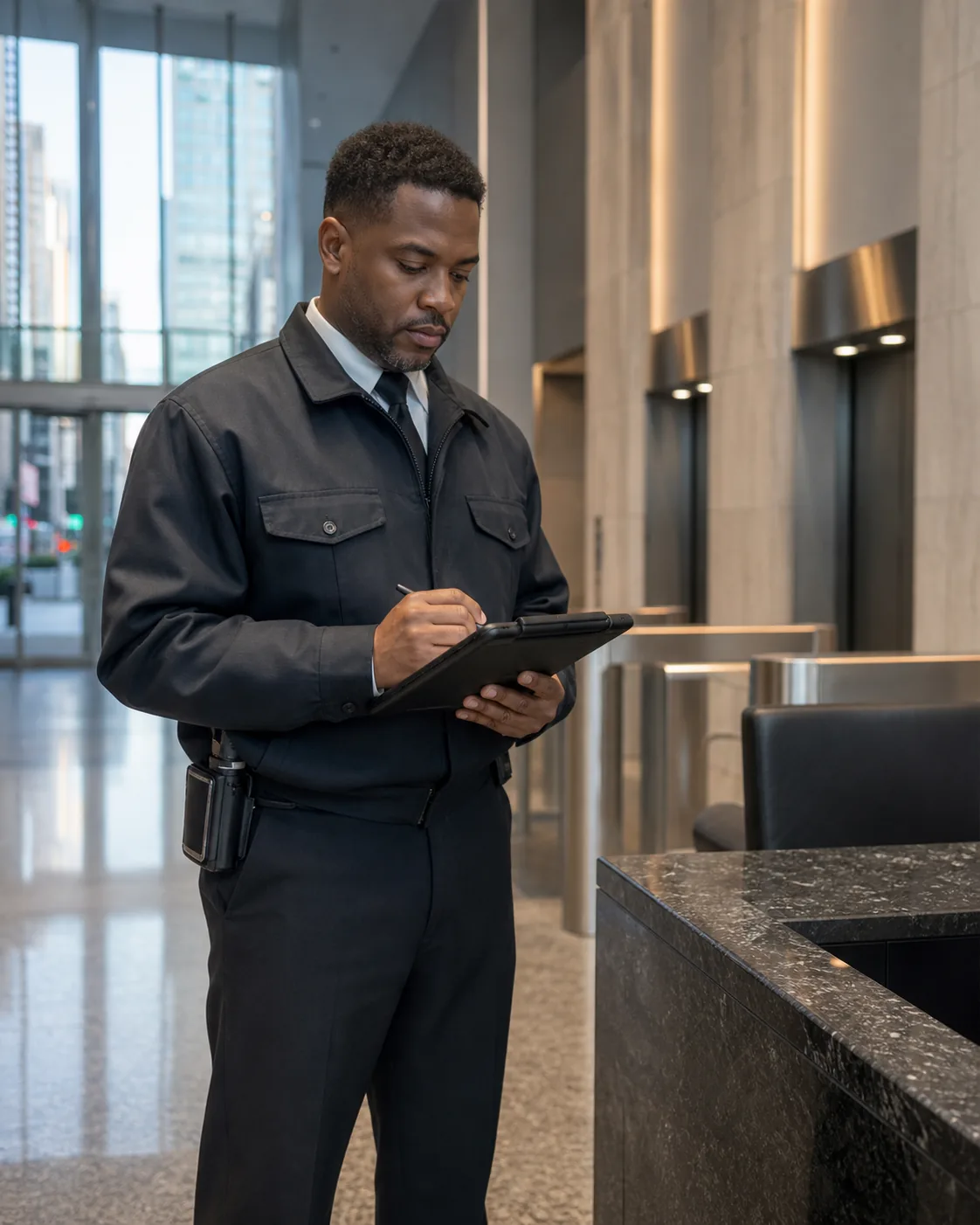
After the scene is stable, management should preserve relevant video, access records, witness information, photographs, and objective incident reports. Reports should separate observed facts from assumptions. This supports law enforcement, insurance review, internal follow-up, and future planning.
Assign response roles before an event
| Role | Decision to clarify |
|---|---|
| Greeters and staff | How to report concerning behavior and contact security |
| Security personnel | Emergency thresholds and safe actions within training |
| Designated caller | Who contacts 911 and communicates the exact location |
| Institution leadership | How occupants receive instructions and responders gain access |
Review the Plan After Every Significant Event
A post-incident review should ask what personnel observed, when information was shared, which procedures worked, and what caused delay or confusion. The purpose is improvement—not blame. Training, post orders, staffing positions, or communication tools can then be adjusted.
Build Security Around the Institution
Every congregation and public-facing property is different. The plan should reflect its entrances, service schedule, special events, community needs, surrounding environment, and relationship with local law enforcement.
Guardian ISI helps New York organizations build professional, site-specific security programs. Call or text (212) 602-1695 or request coverage to discuss your property.
Related Guardian ISI services
For on-site coverage and operational support discussed in this article, review Security Guard Services and Event Security. Contact Guardian ISI to discuss the property, duties, and availability.
Official references
Frequently asked questions
Should every visitor be screened?
The appropriate method depends on the institution, event, threat profile, and management policy. The process should be respectful, consistent, and documented.
What should staff do first during violent behavior?
Create safety, call 911, communicate the location and nature of the danger, and follow the property's emergency plan.
Should security preserve surveillance video?
Yes. Relevant footage should be secured promptly and handled according to property policy and law-enforcement requests.
Can private security replace the NYPD?
No. Private security protects the client's property and supports early response, while police perform law-enforcement functions.